
China Photography Gallery
Rural and Urban Photographs of China in the 1980s, 1990s, 2000s
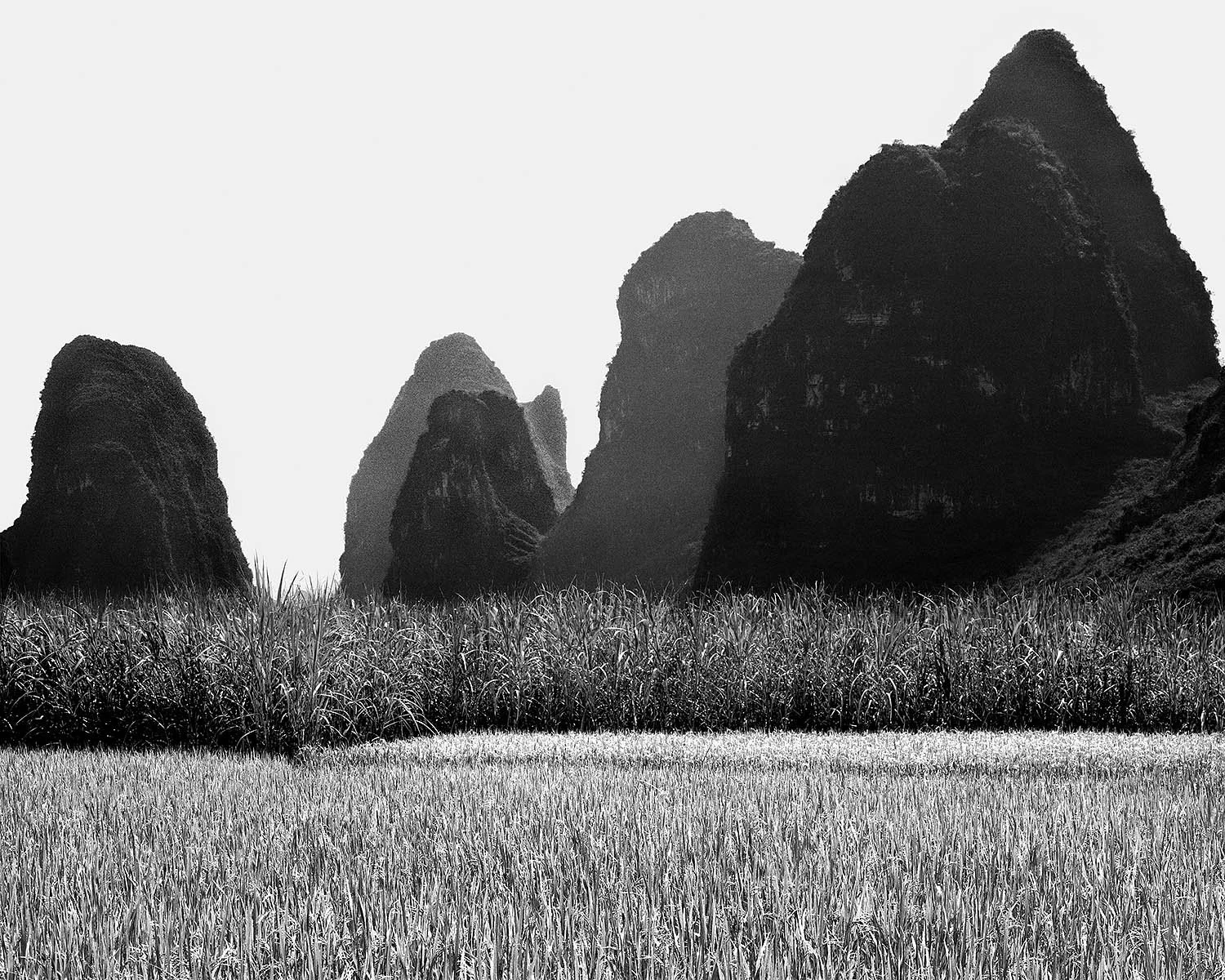
1986 Yangshuo — Karst Formations and Rice Fields, Guangxi Province
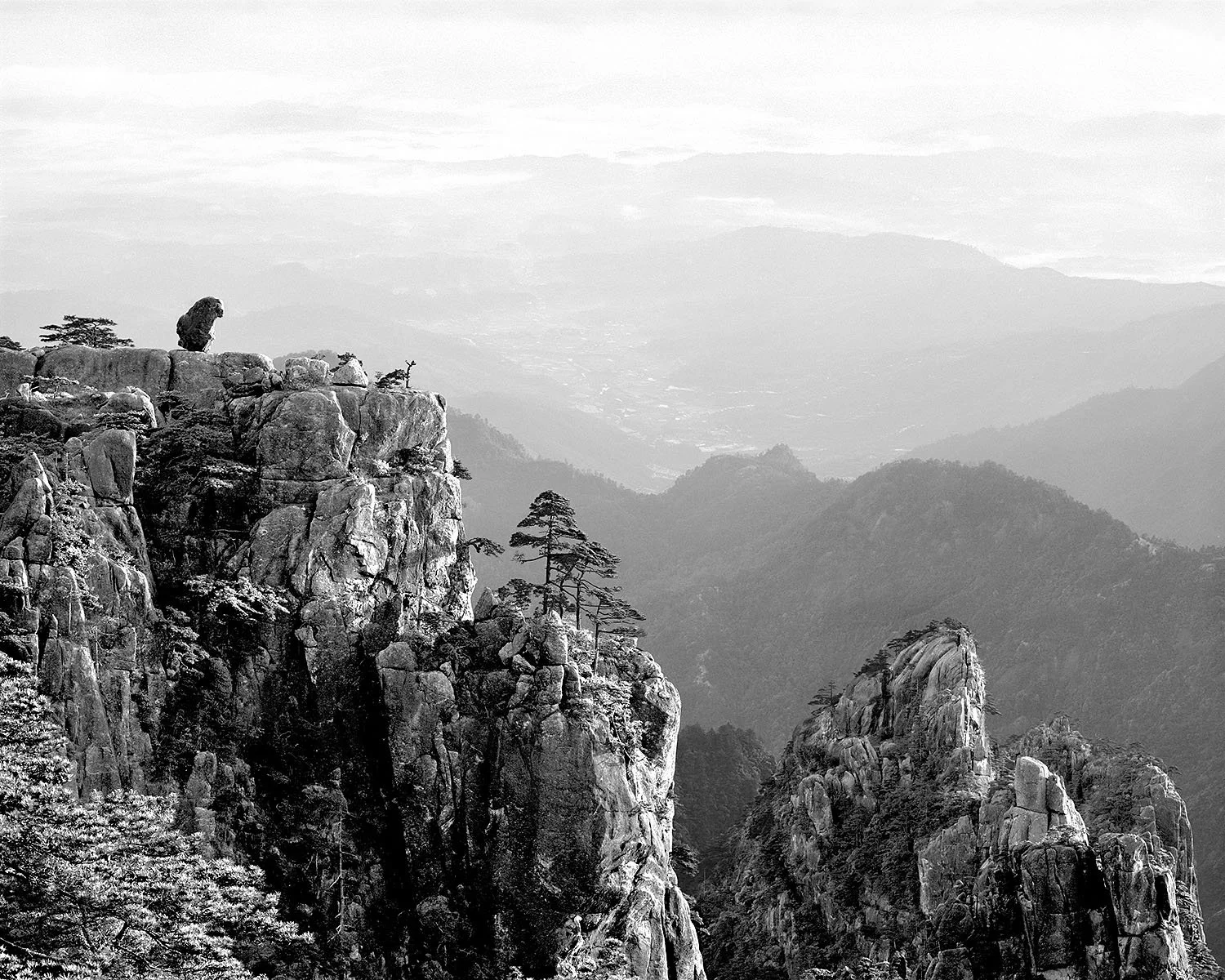
1987 Yellow Mountain — Stone Monkey Gazing at the Sea, Anhui Province
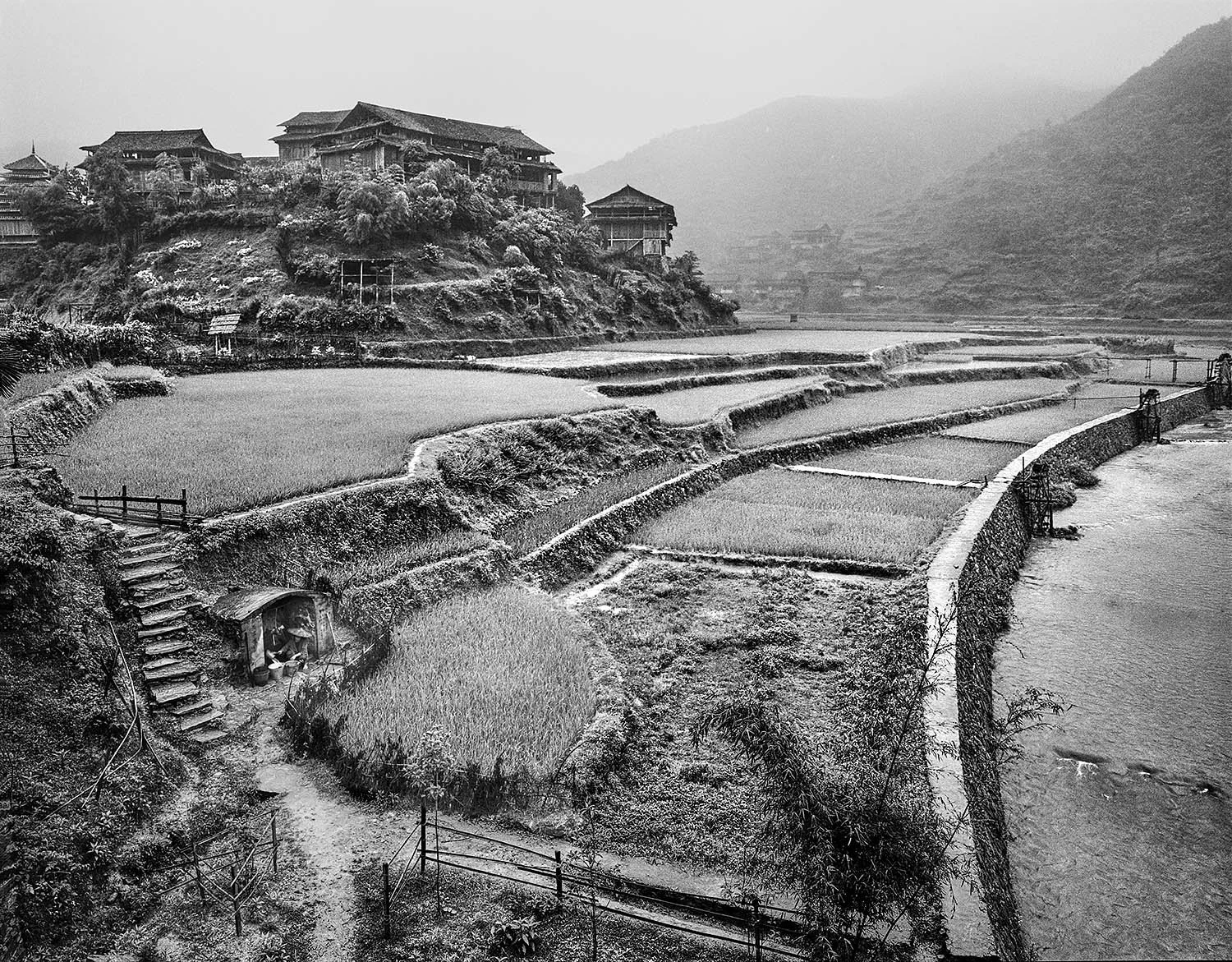
1987 Drum Tower Village and Rice Terraces — Chengyang, Guizhou Province
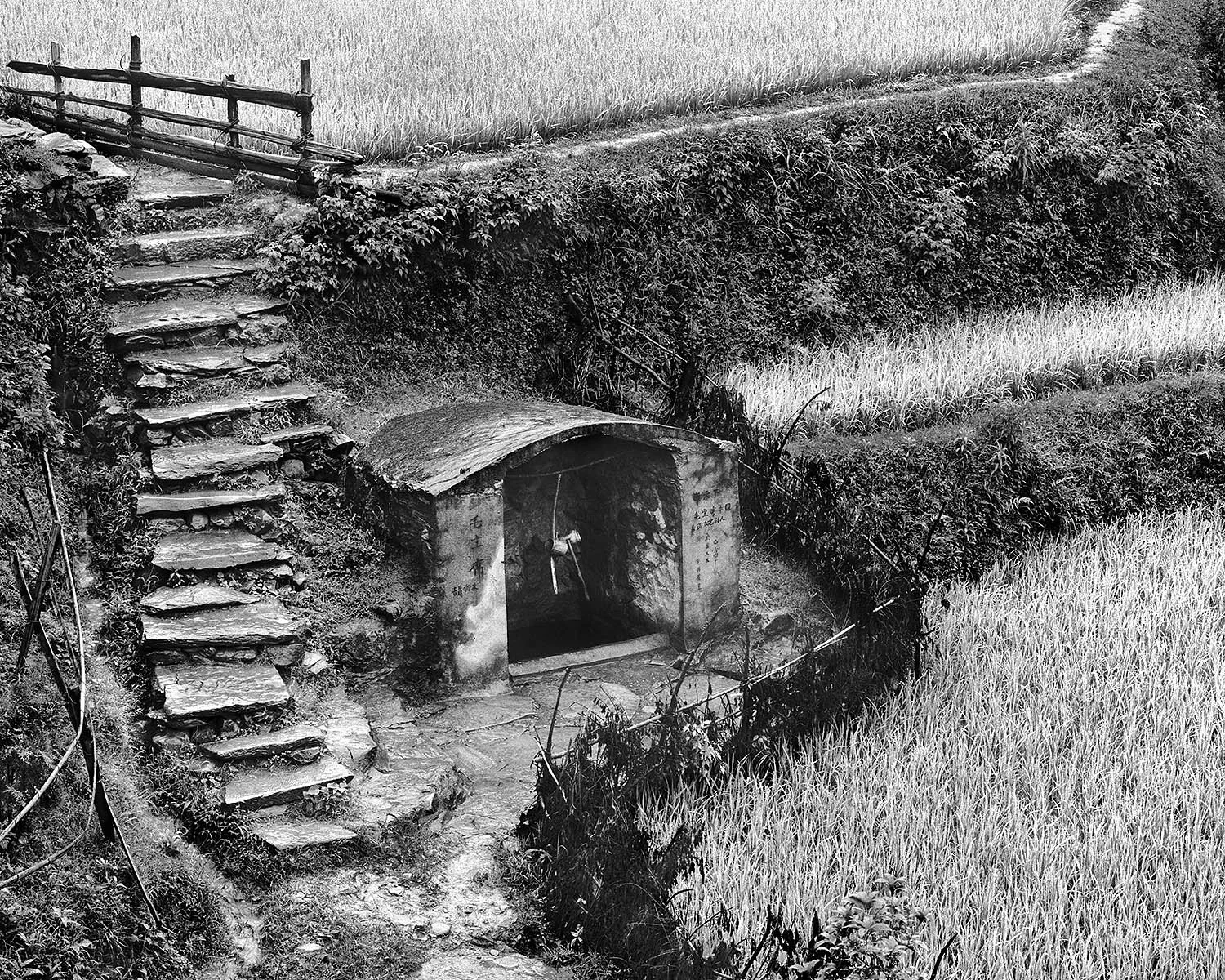
1987 Village Water Well — Chengyang, Guizhou Province
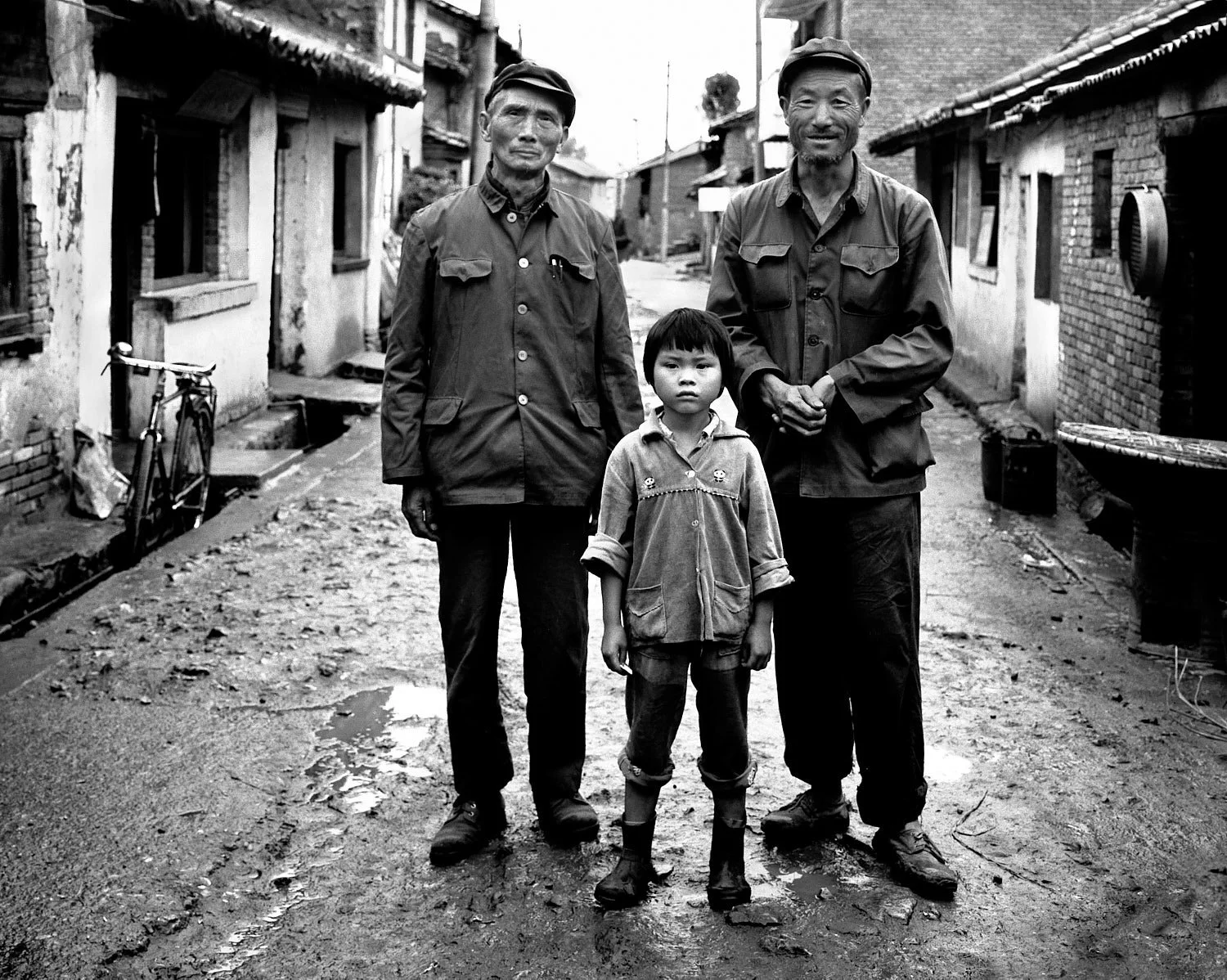
1986 Villagers, Yunnan Province
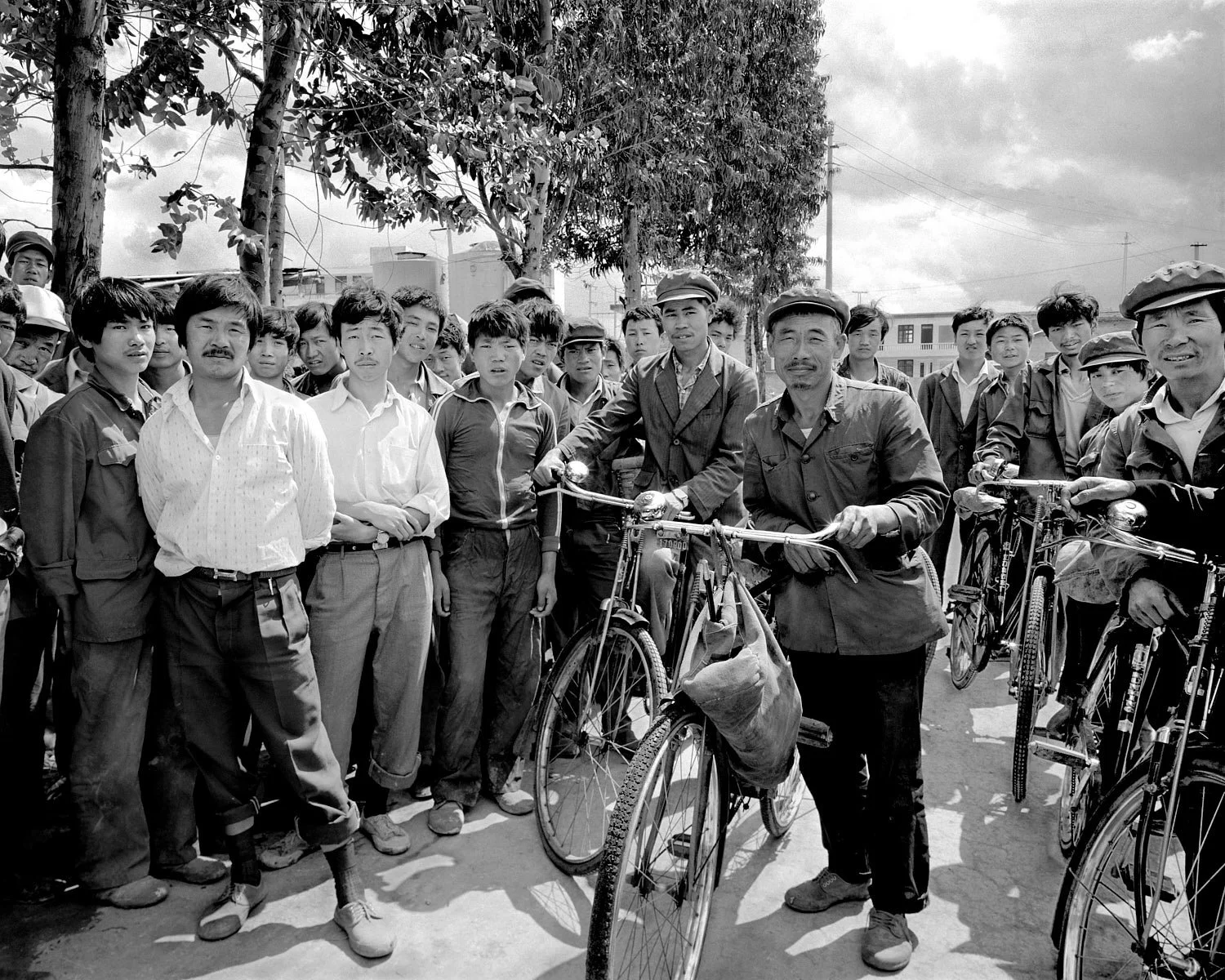
1986 Roaside Villagers, Yunnan Province
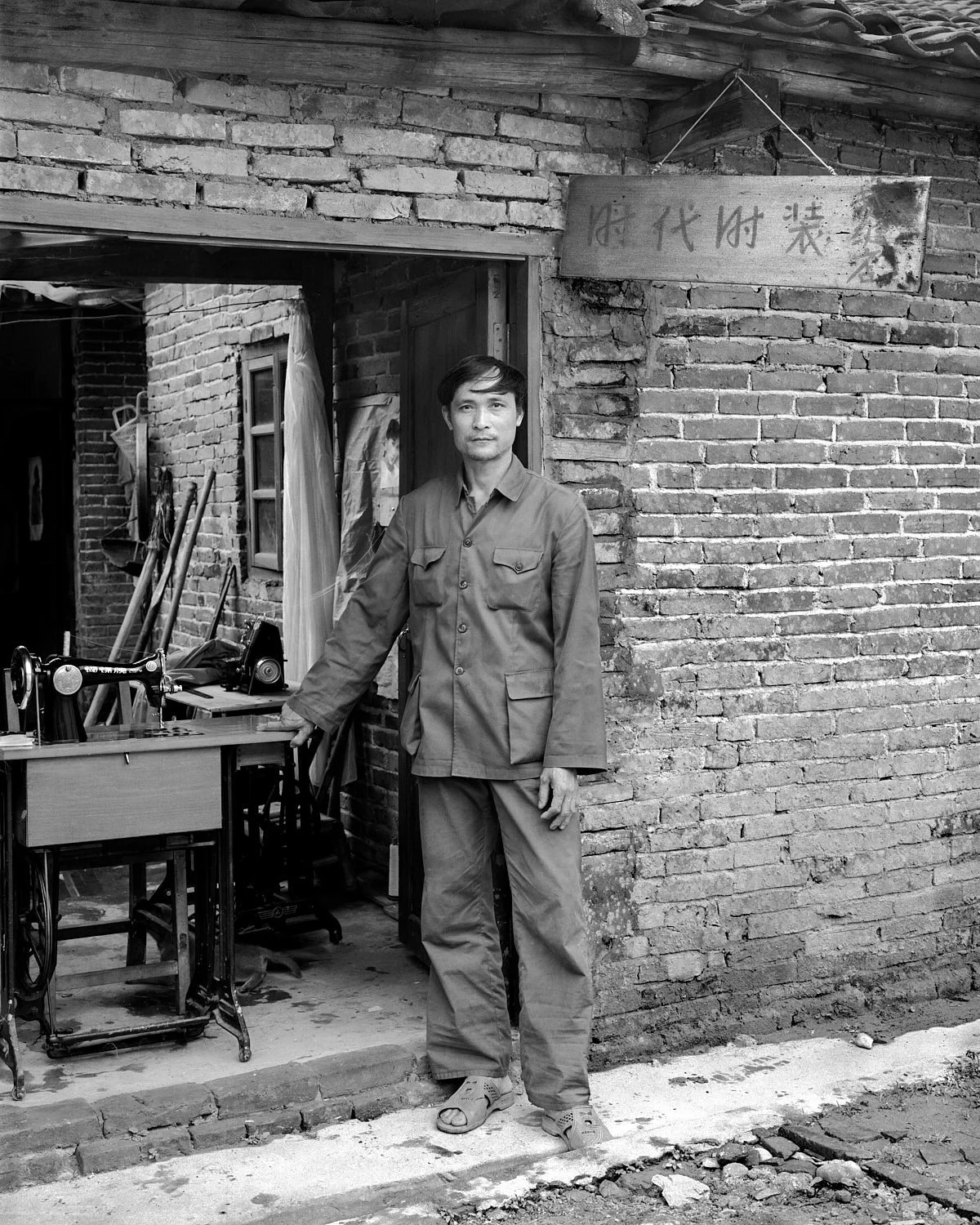
1987 Tailor — "Fashion of the Times", Guizhou Province
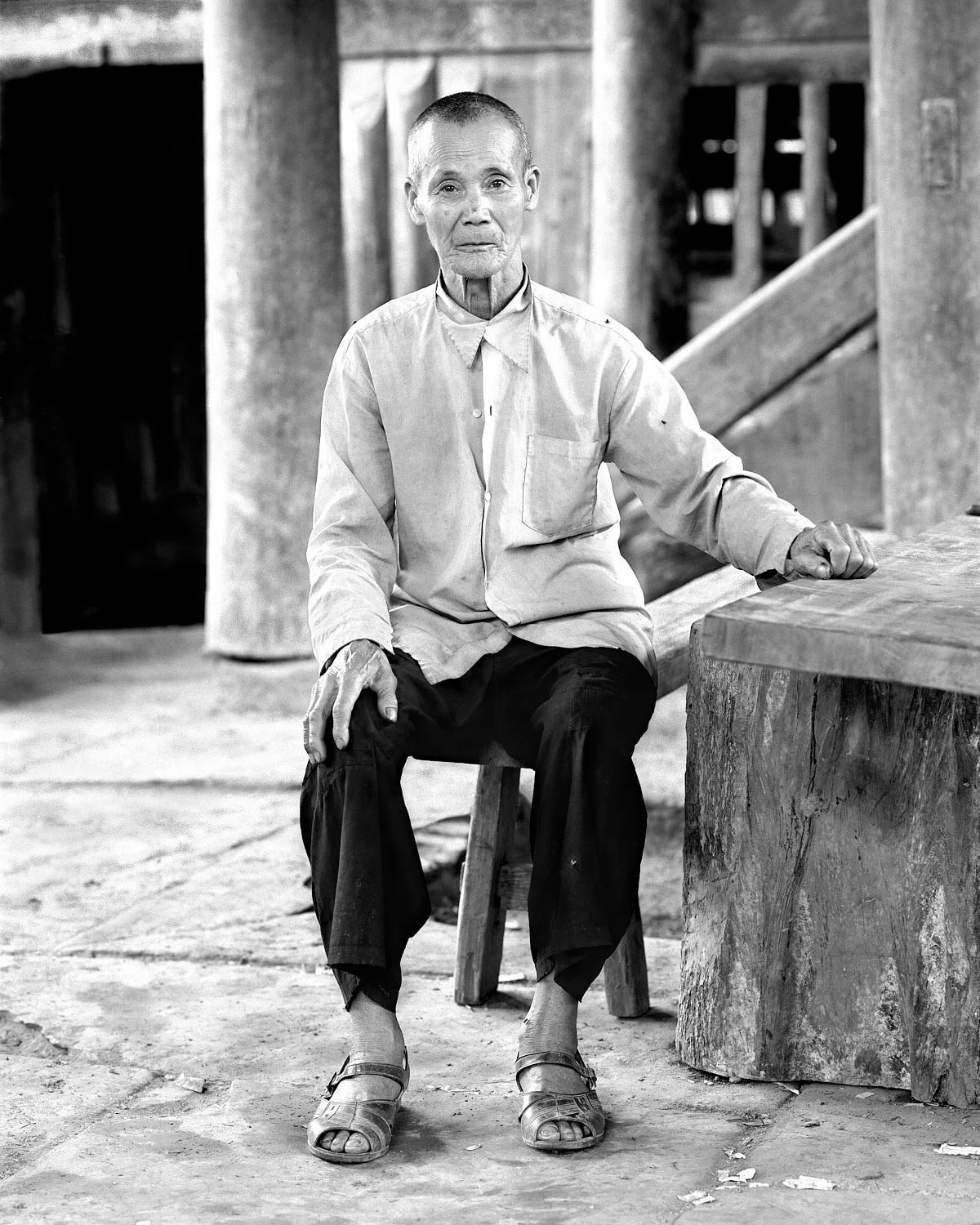
1987 Elder in Drum Tower, Guizhou Province

1987 Thirty-six School Boys, Guizhou Province
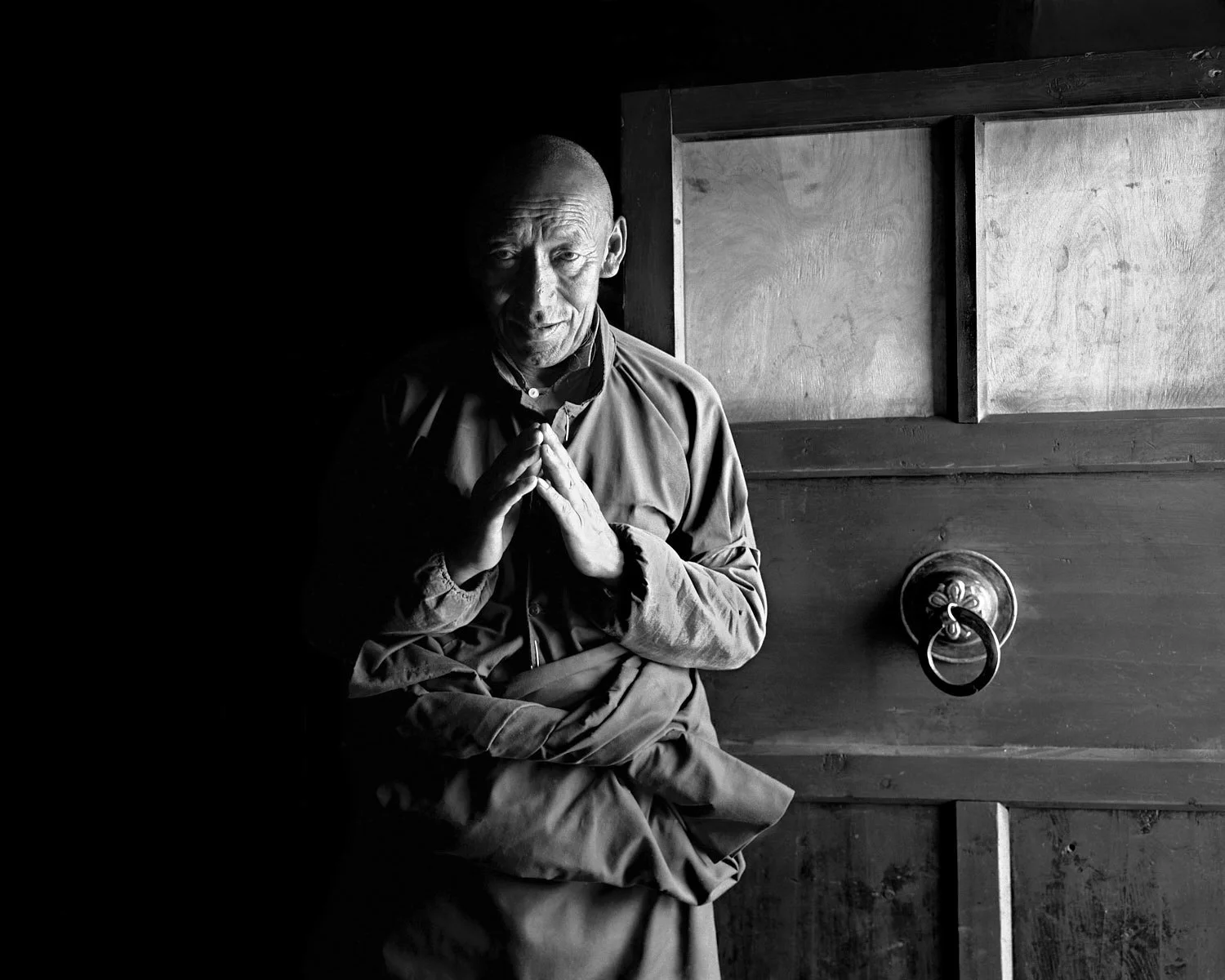
1986 Tibitan Monk, Lasha
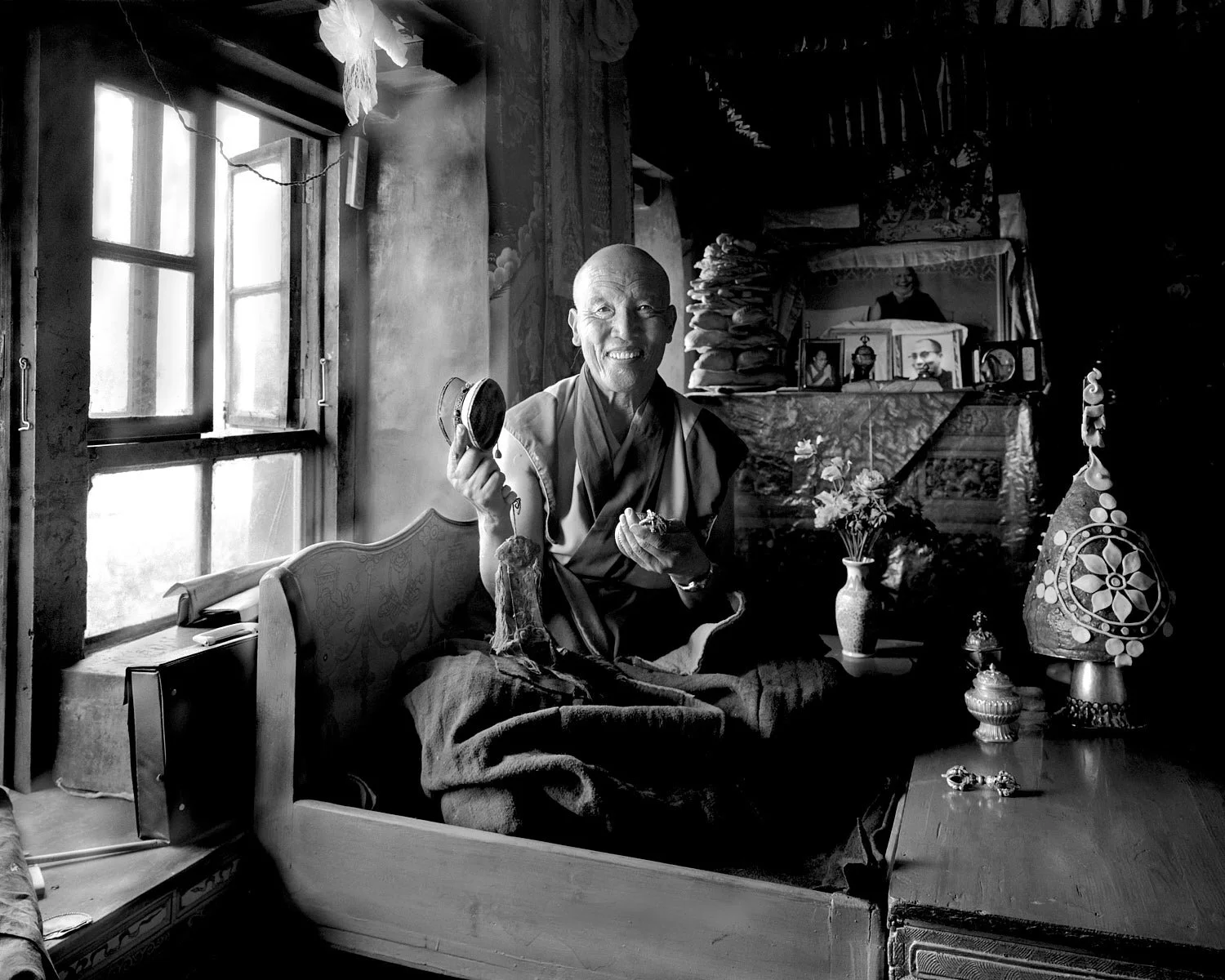
1986 Tibetan Monk — Thuptan Wangchuk, Lhasa
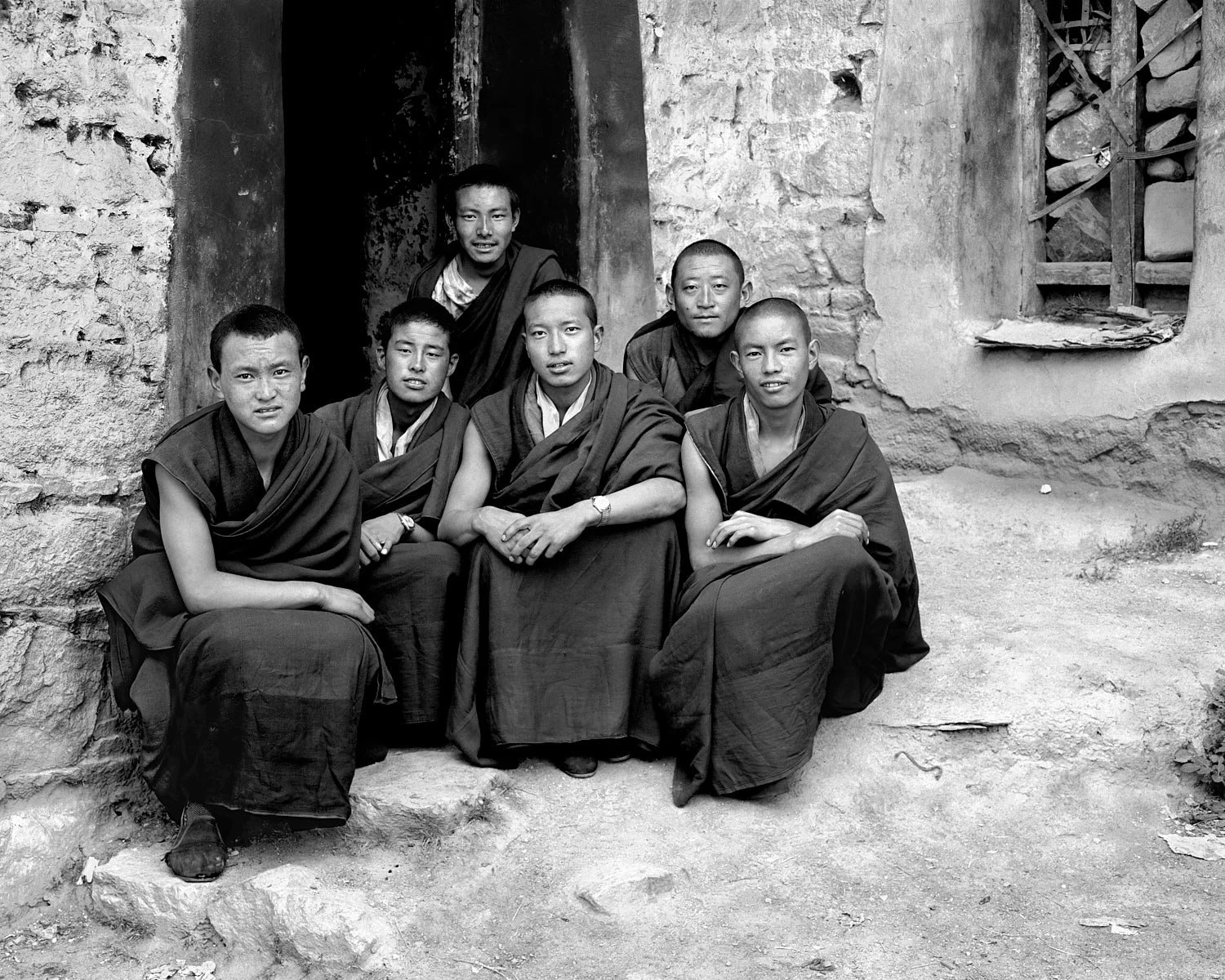
1986 Tibetan Young Monks, Sera-Monastery
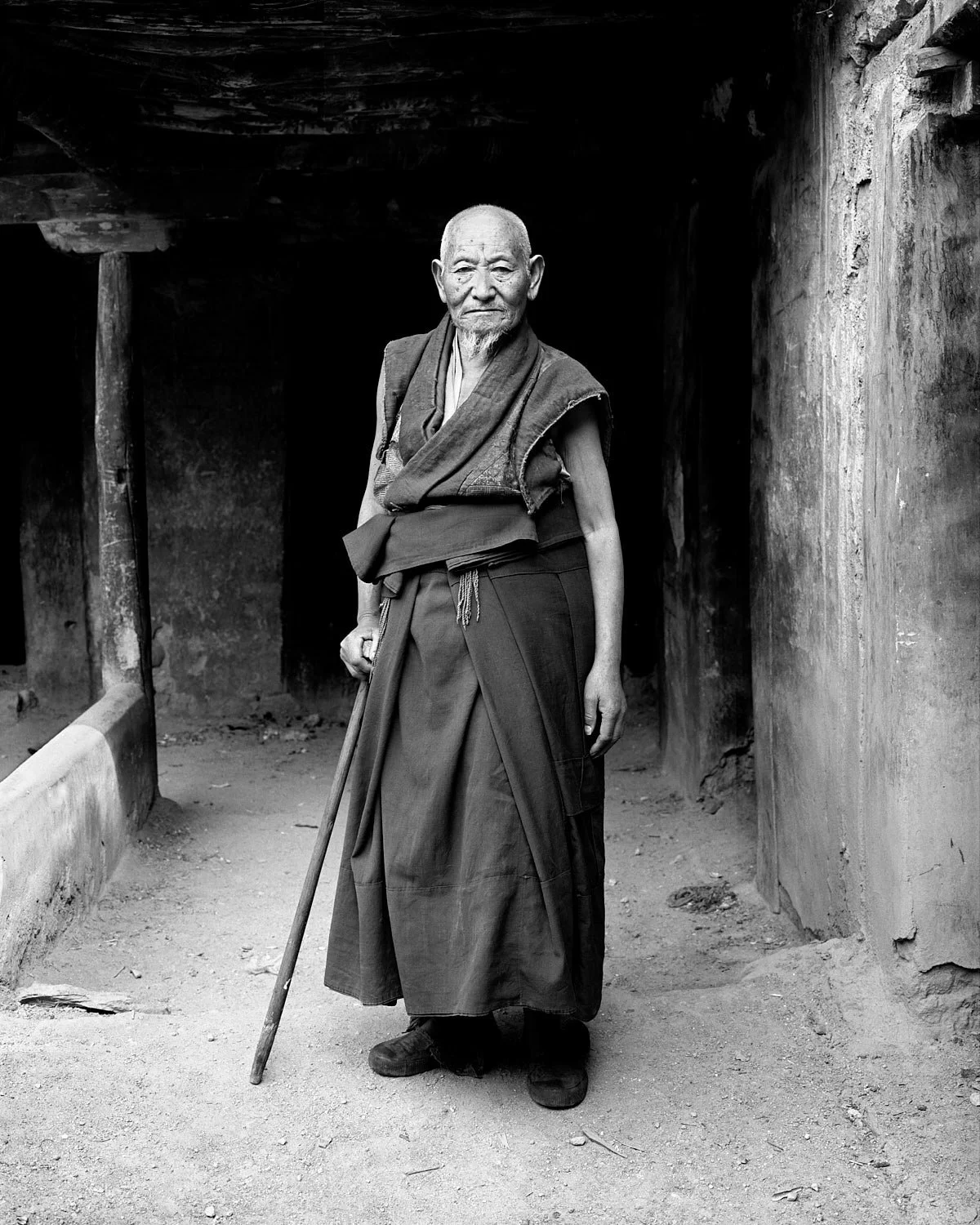
1986 Tibetan Monk, Sera Monastery
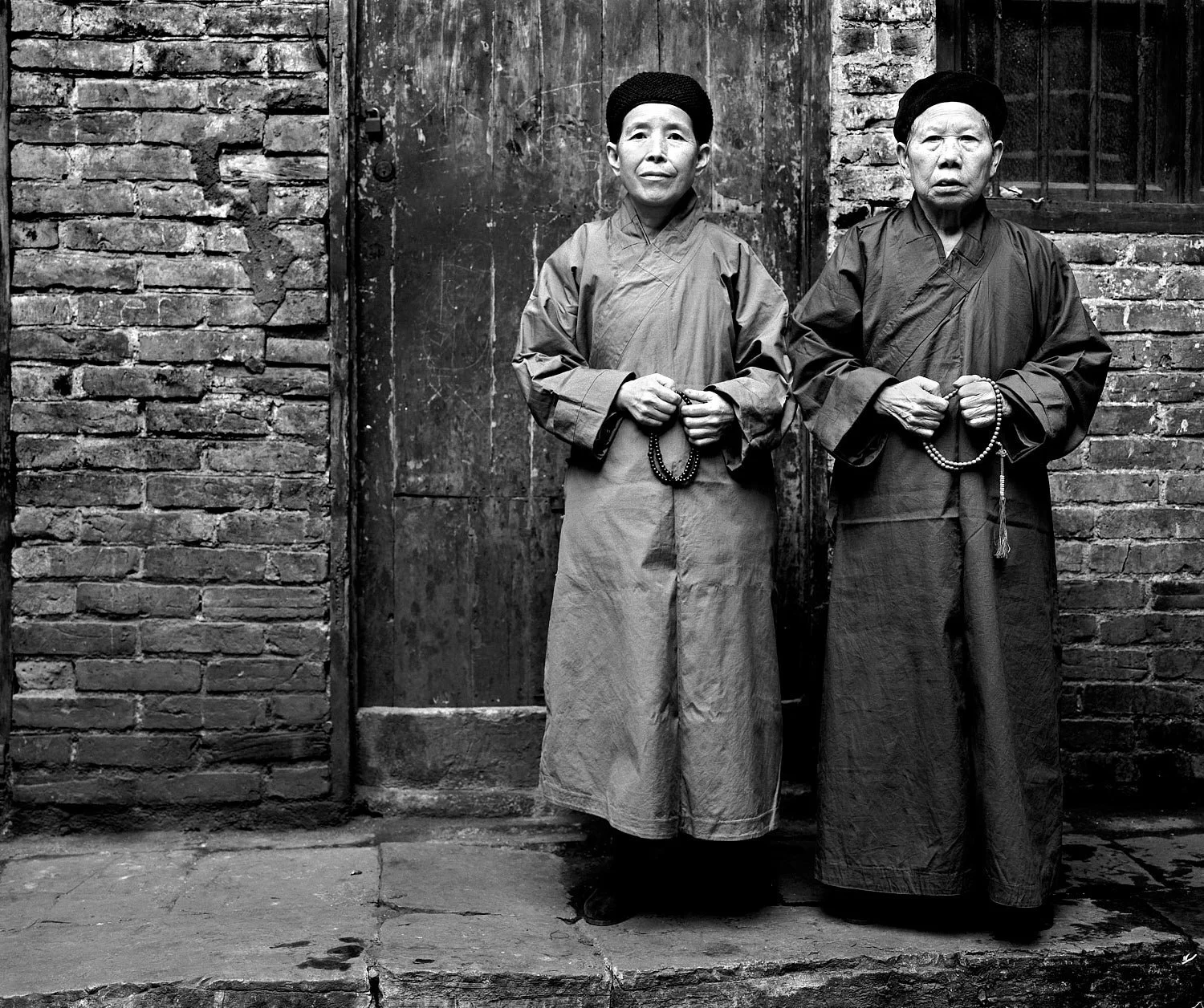
1987 Nuns, Guiyang
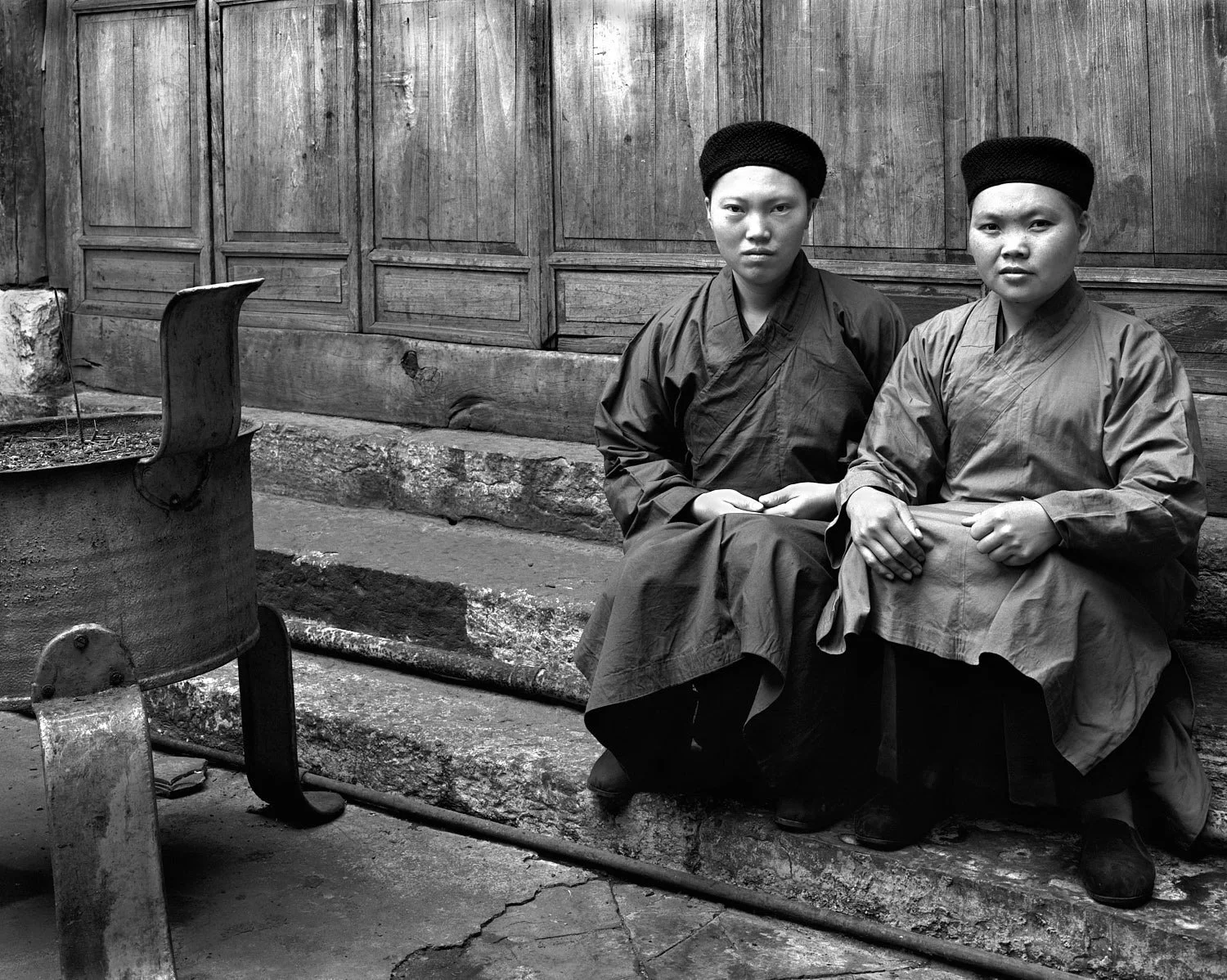
1987 Young Nuns, Guiyang
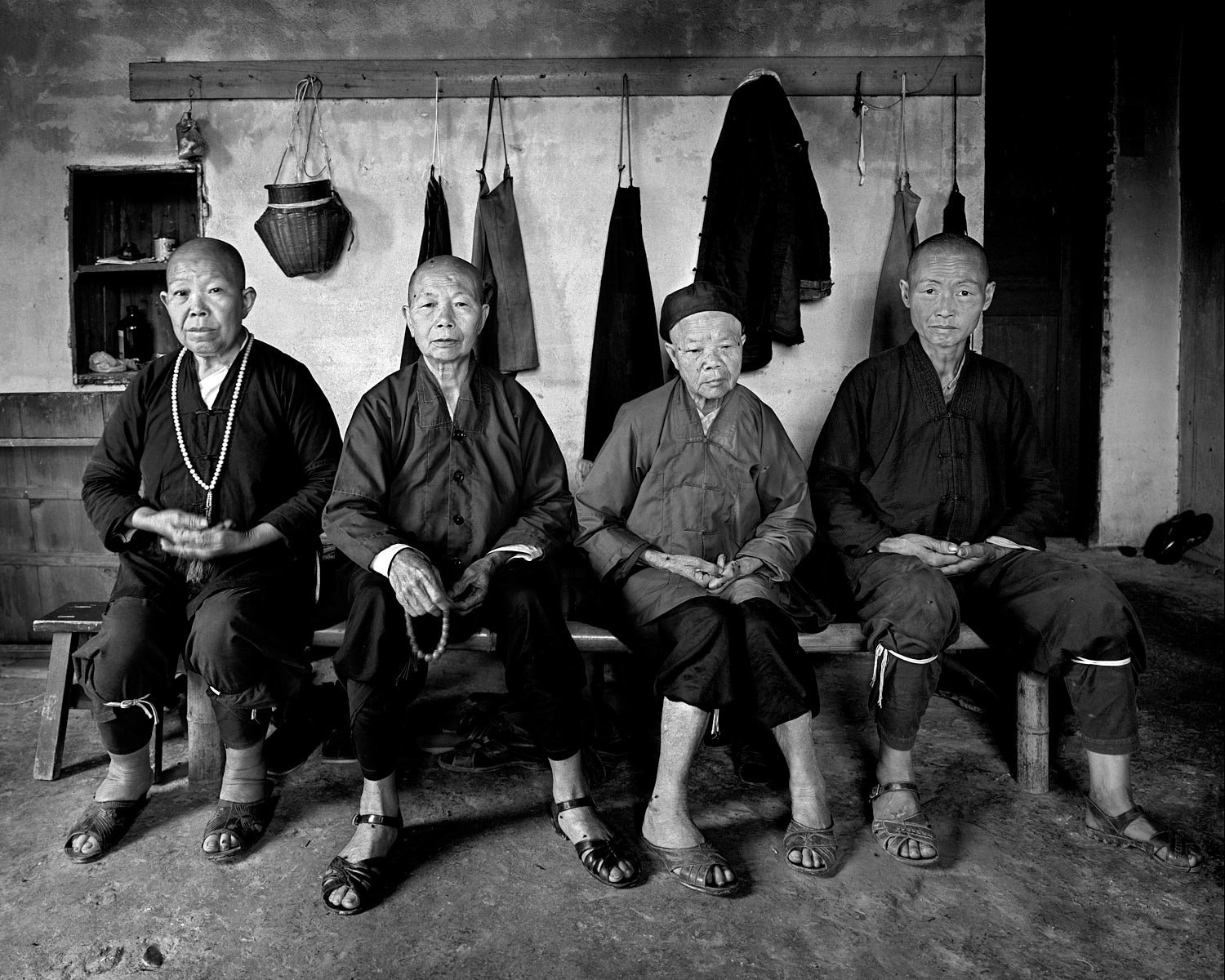
1987 Nuns, Sanjiang
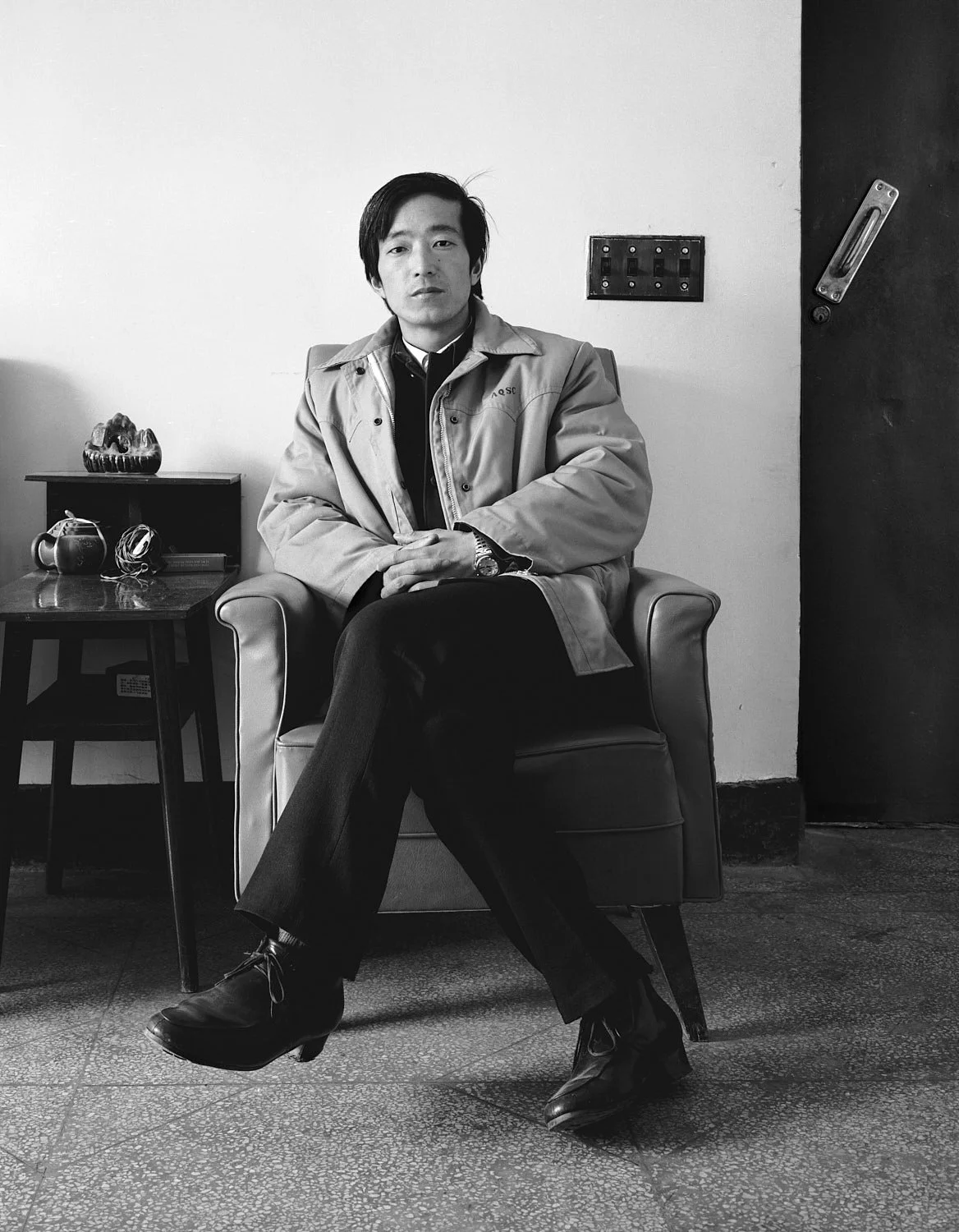
1988 Wealthy Commune Farmer, Chongming Island
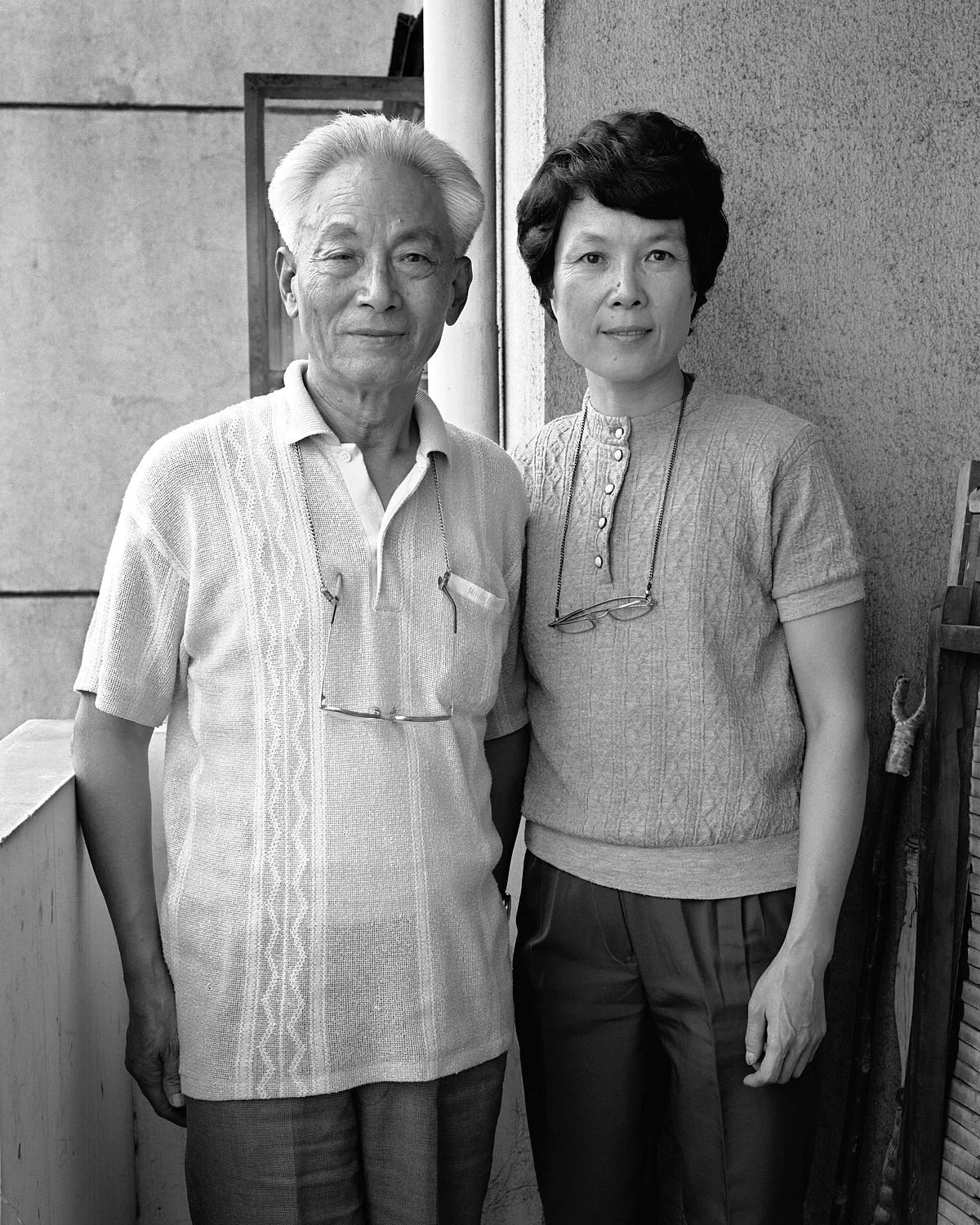
1988 Wang Rouwang — Dissident, Shanghai
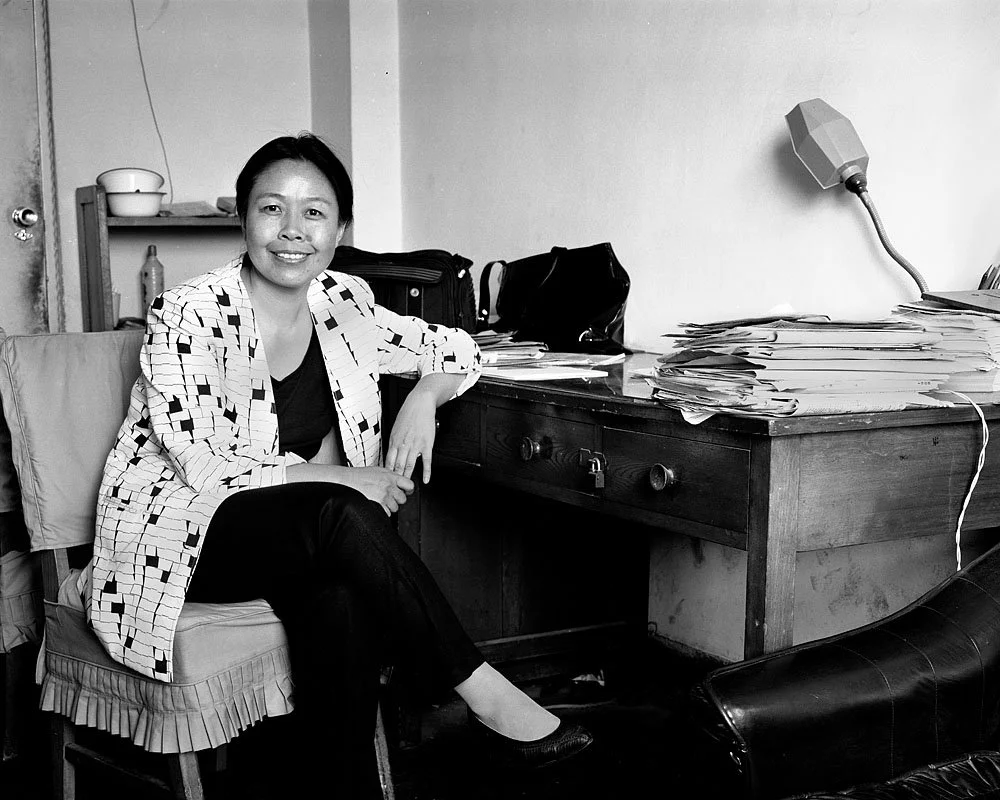
2000 Dai Qing — Dissident, investigative Journalist, and Environmental Activist — Beijing
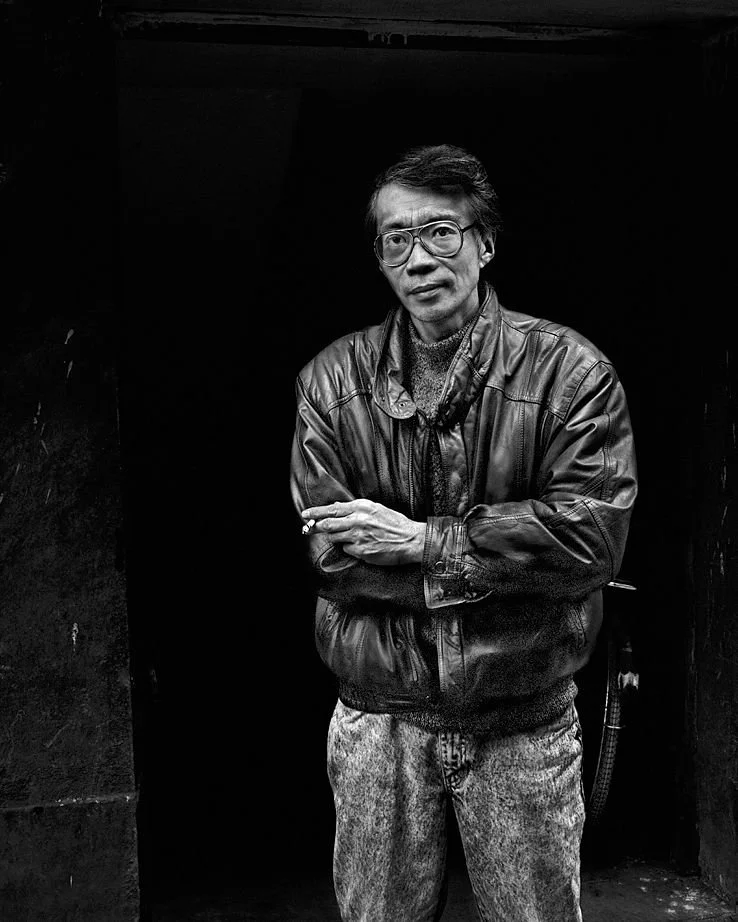
1988 Yangzi Dong — Composer, Conductor, and Pianist — Shanghai
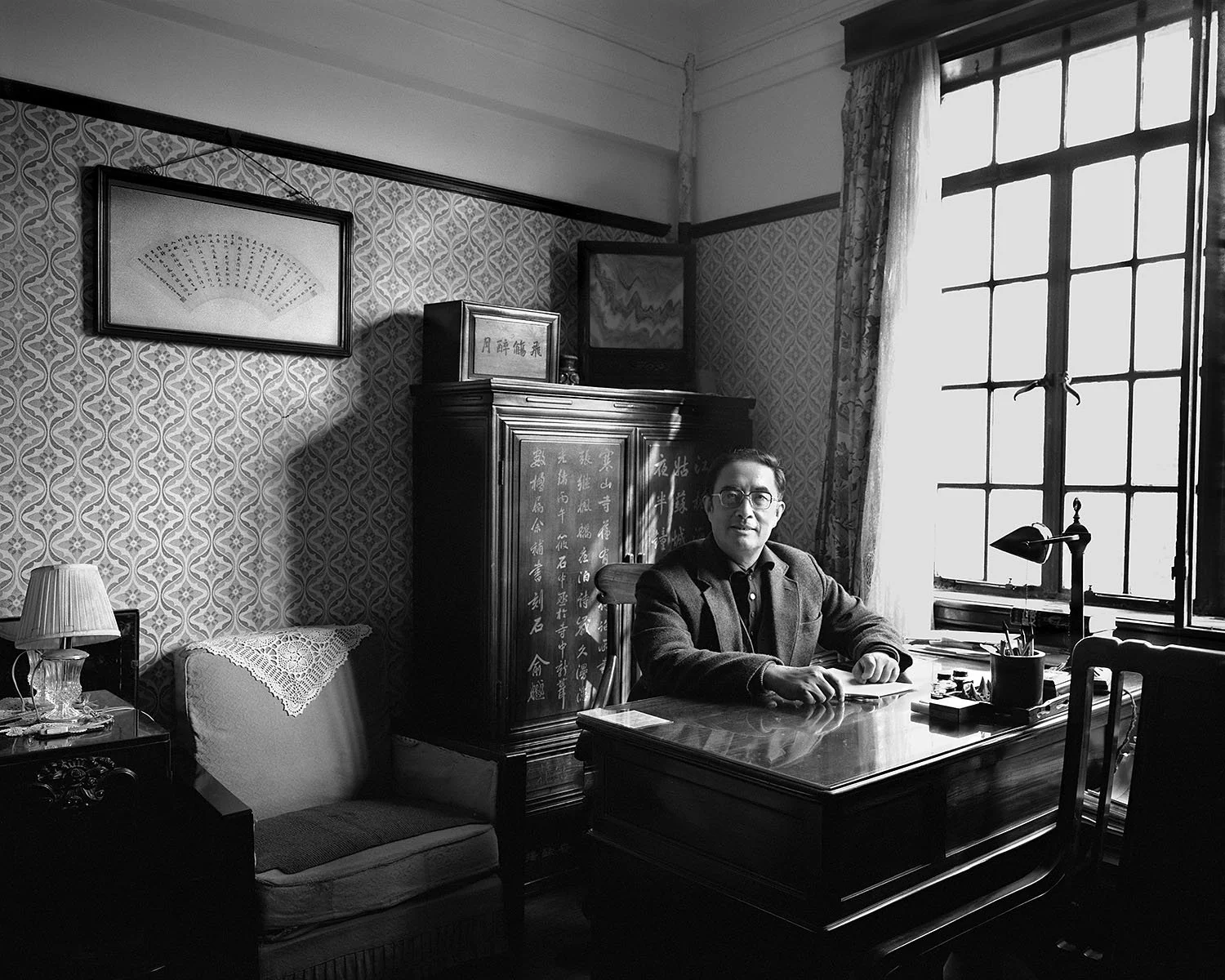
2000 Liu Dalin — Sexologist, founder of China Sex Museum — Shanghai
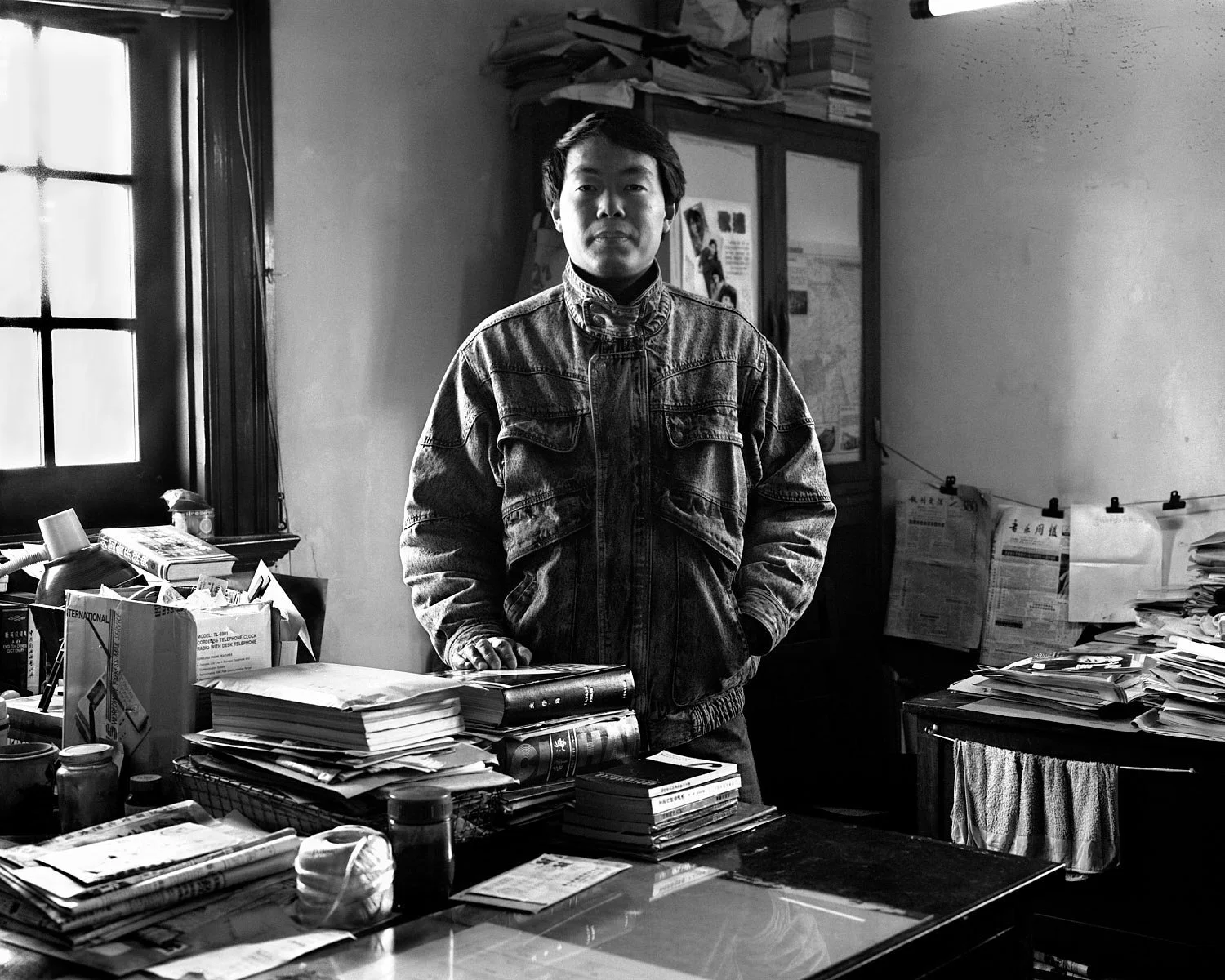
1988 Li Zhang — Editor, Shanghai Music Publishing House, Shanghai
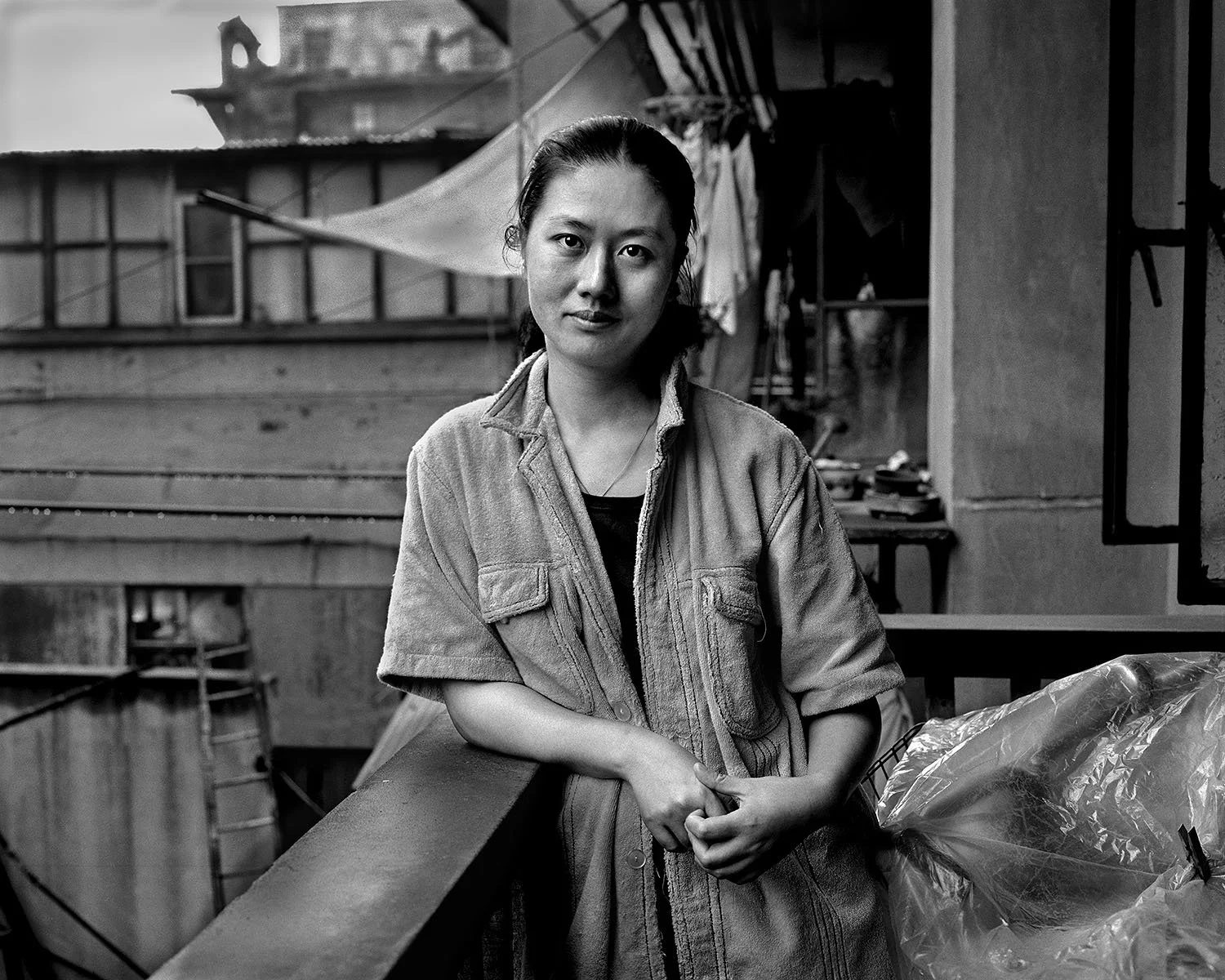
1988 Wang Anyi — Novelist, Screenwriter, and Short Story Author — Shanghai
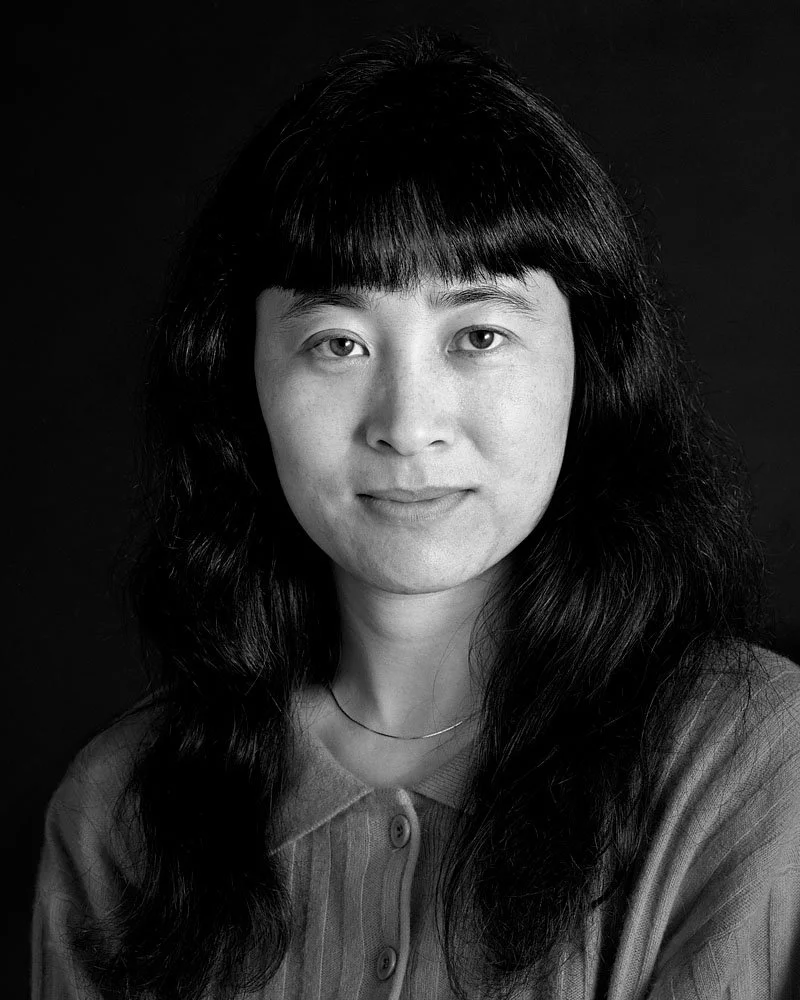
1987 Wang Zheng — Feminist Scholar, Shanghai
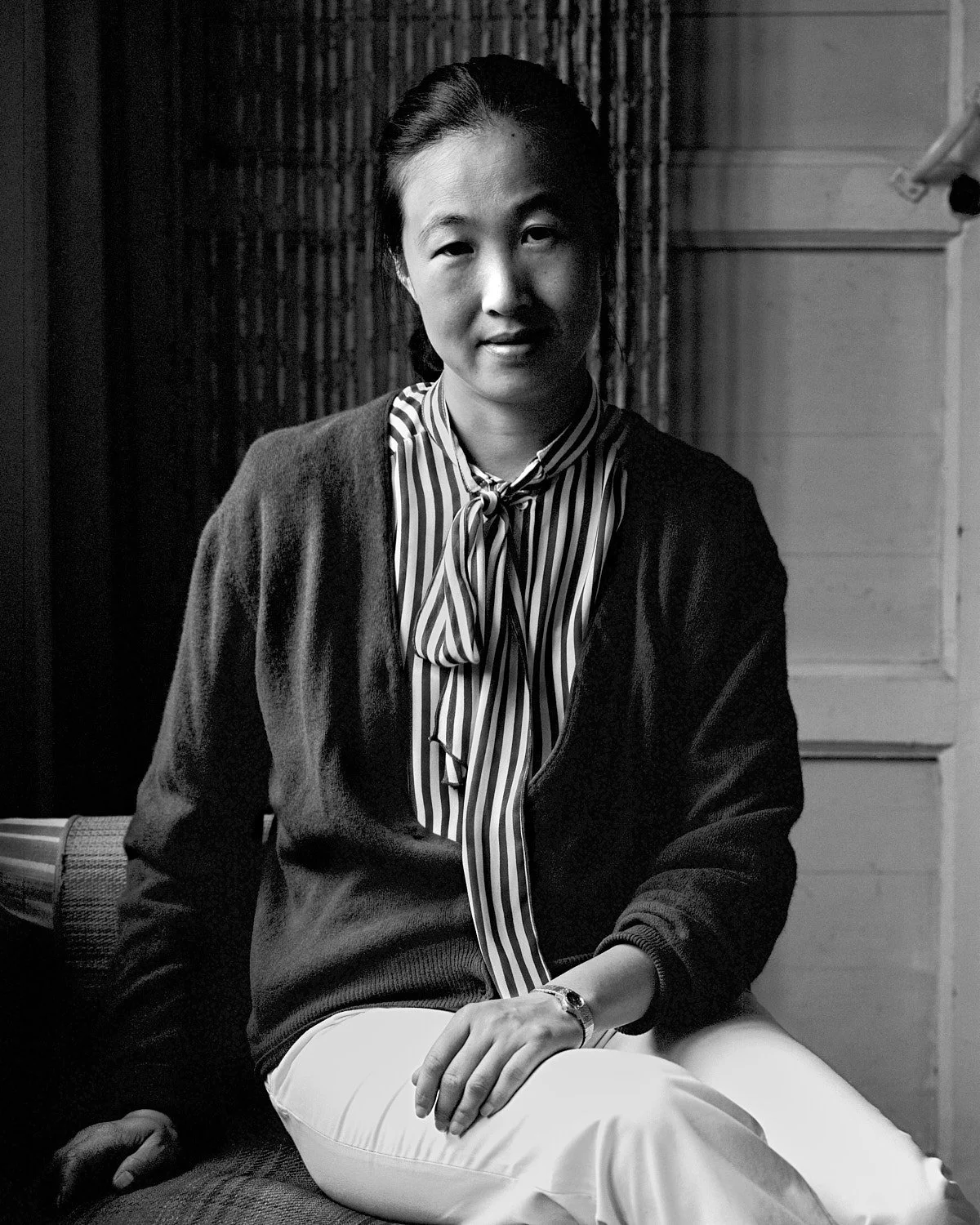
1988 Zhu Lin — Feminist, Shanghai
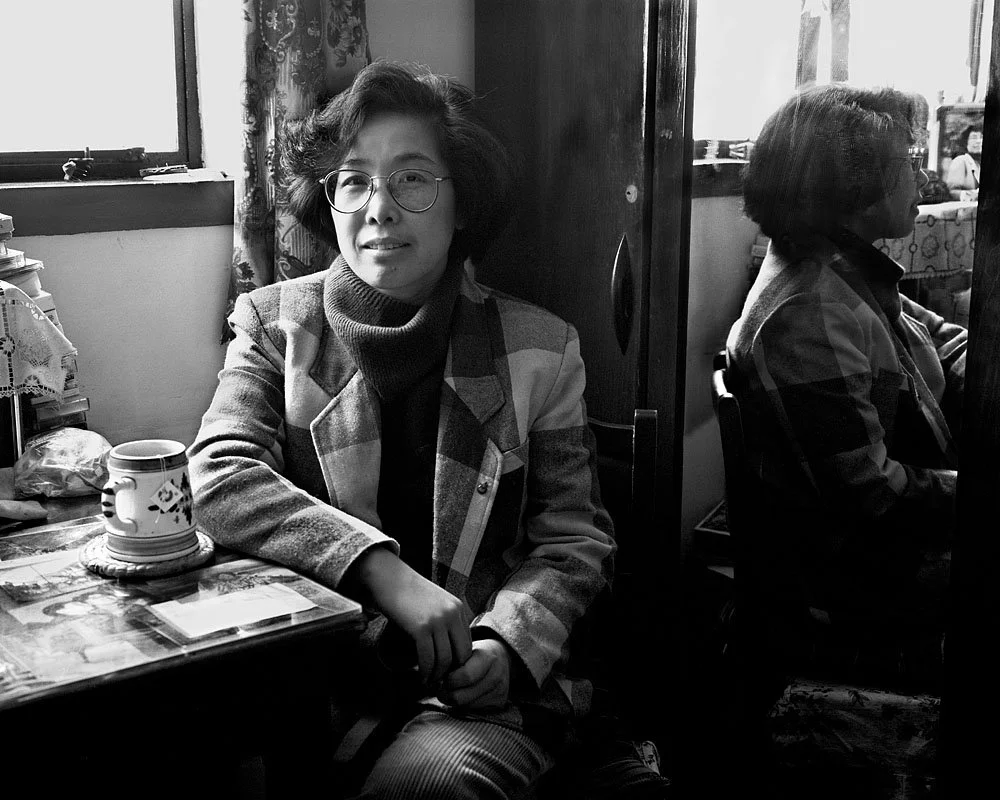
1988 Lin Er — Feminist, Shanghai
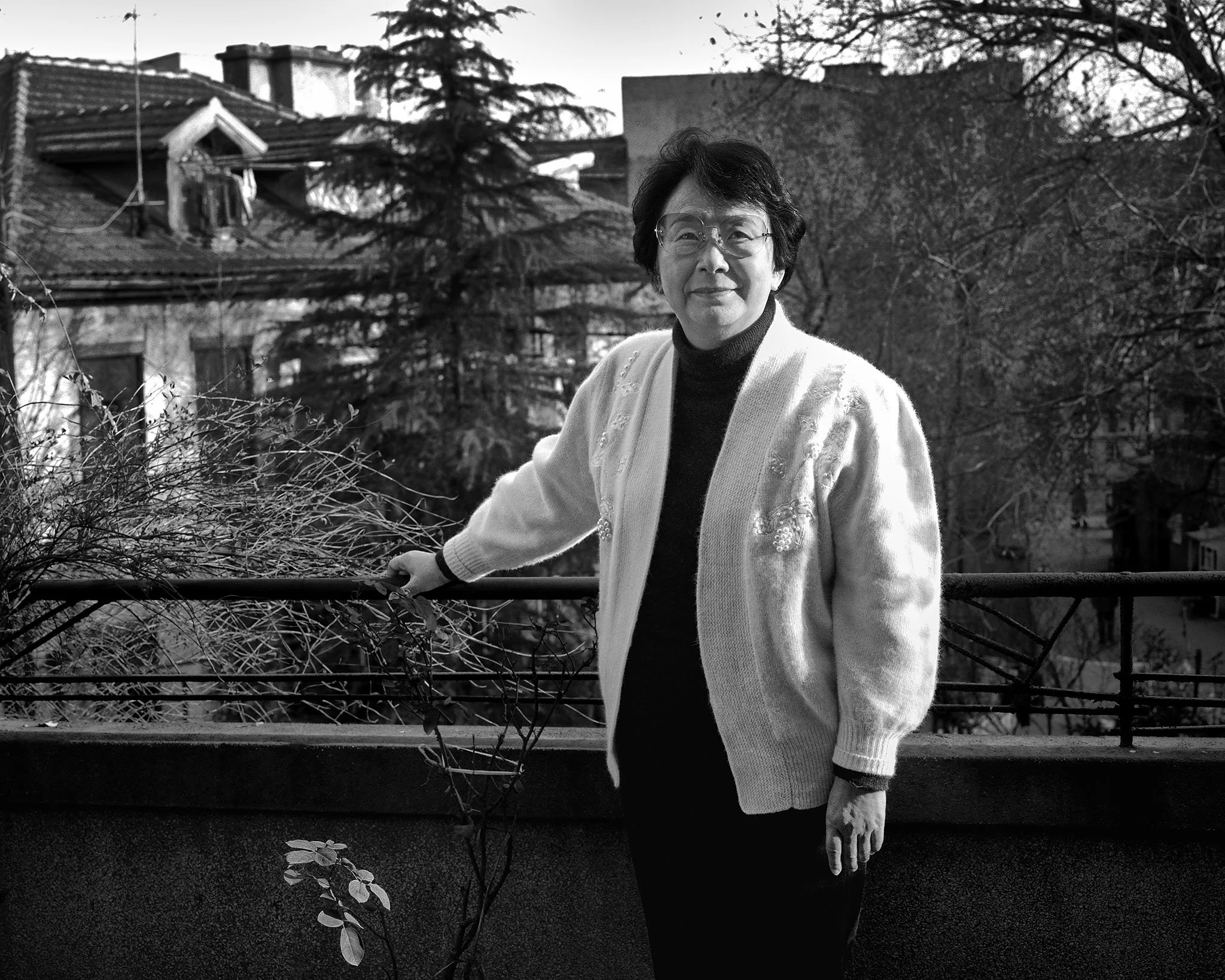
1995 Li Ziyun — Feminist, Shanghai
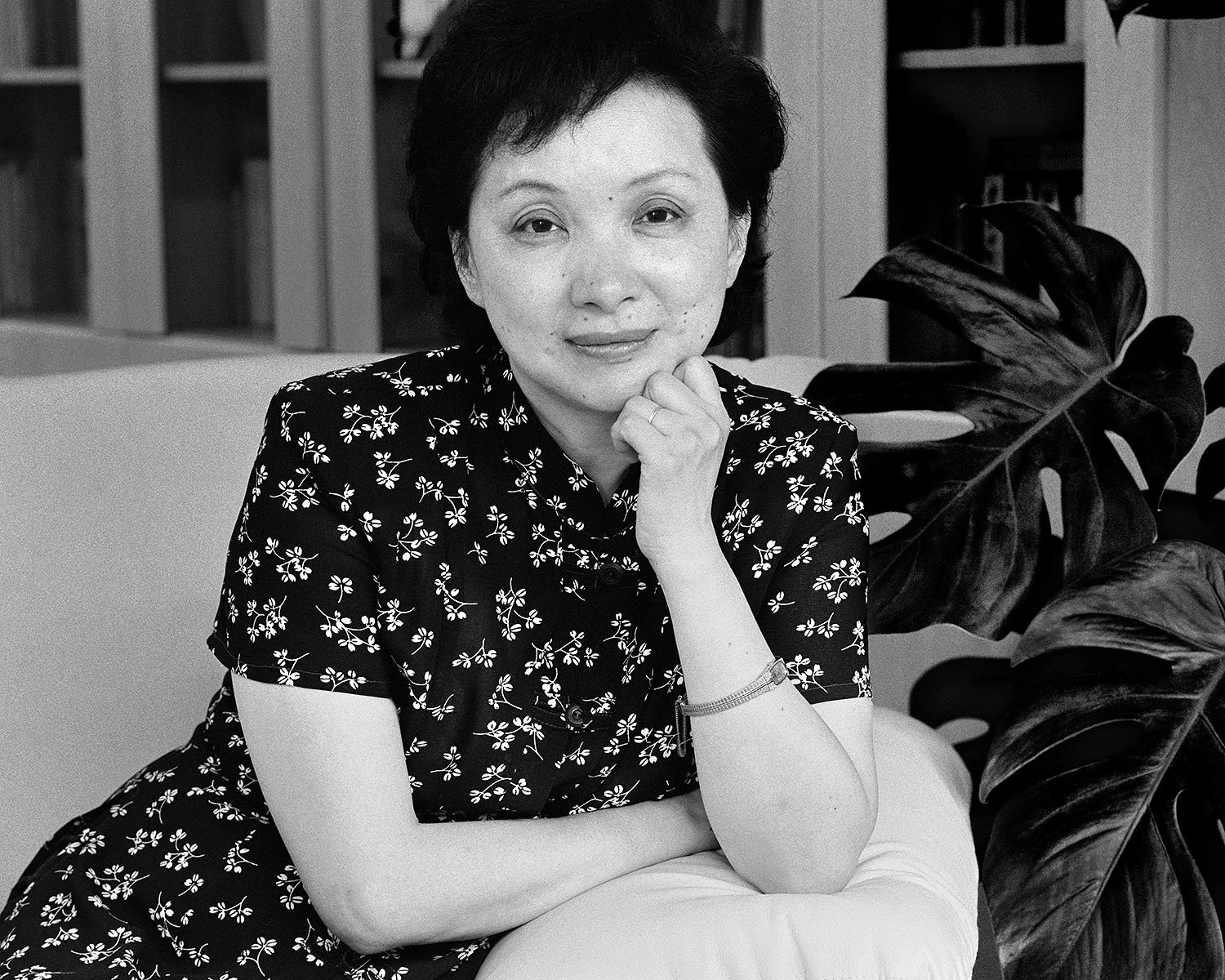
2000 Wang Xiaoying — Gender Studies, Shanghai
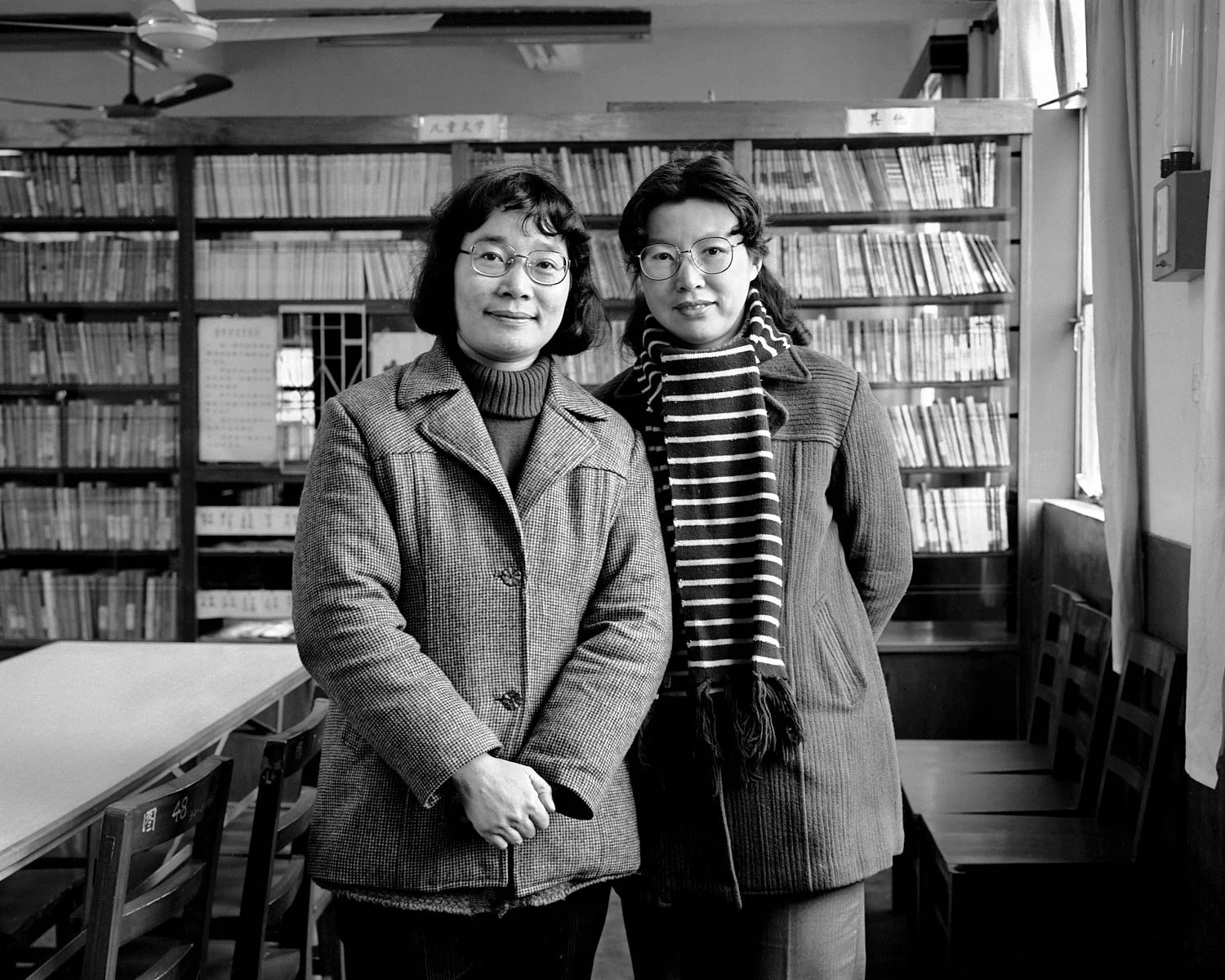
1987 Middle School Teachers, Shanghai
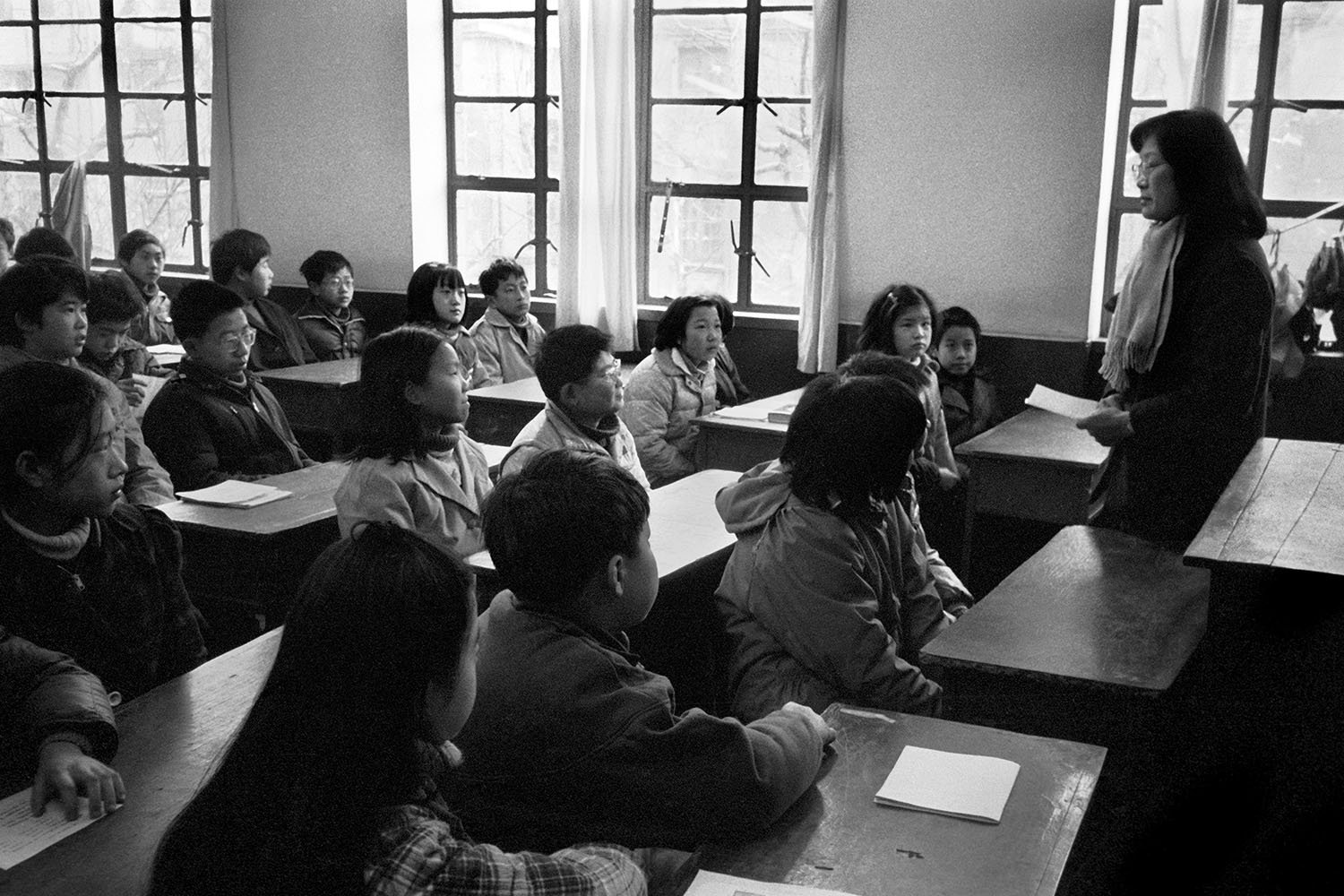
2002 Primary School Classroom, Shanghai
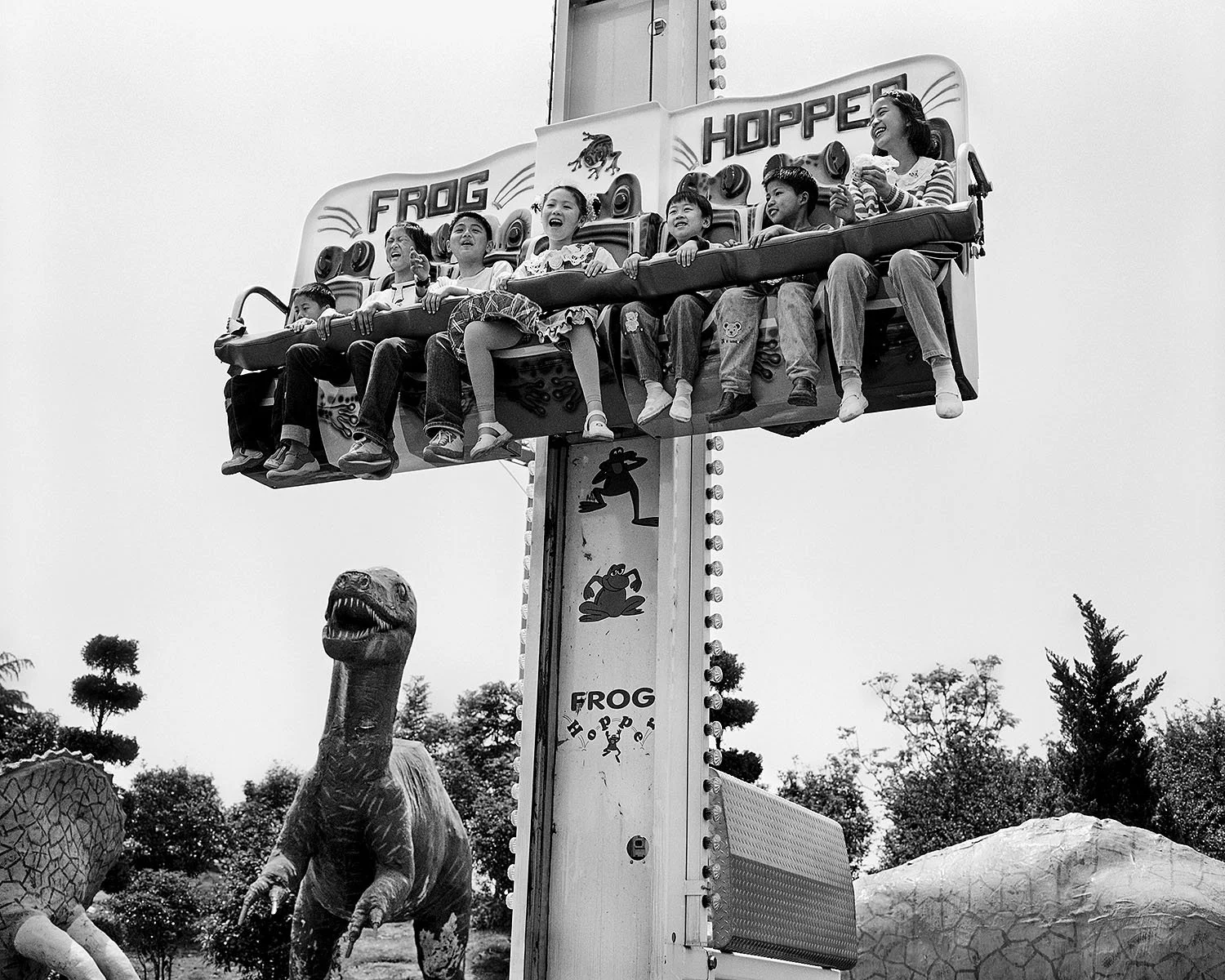
2002 Chinese Food, Shanghai Amusement Park
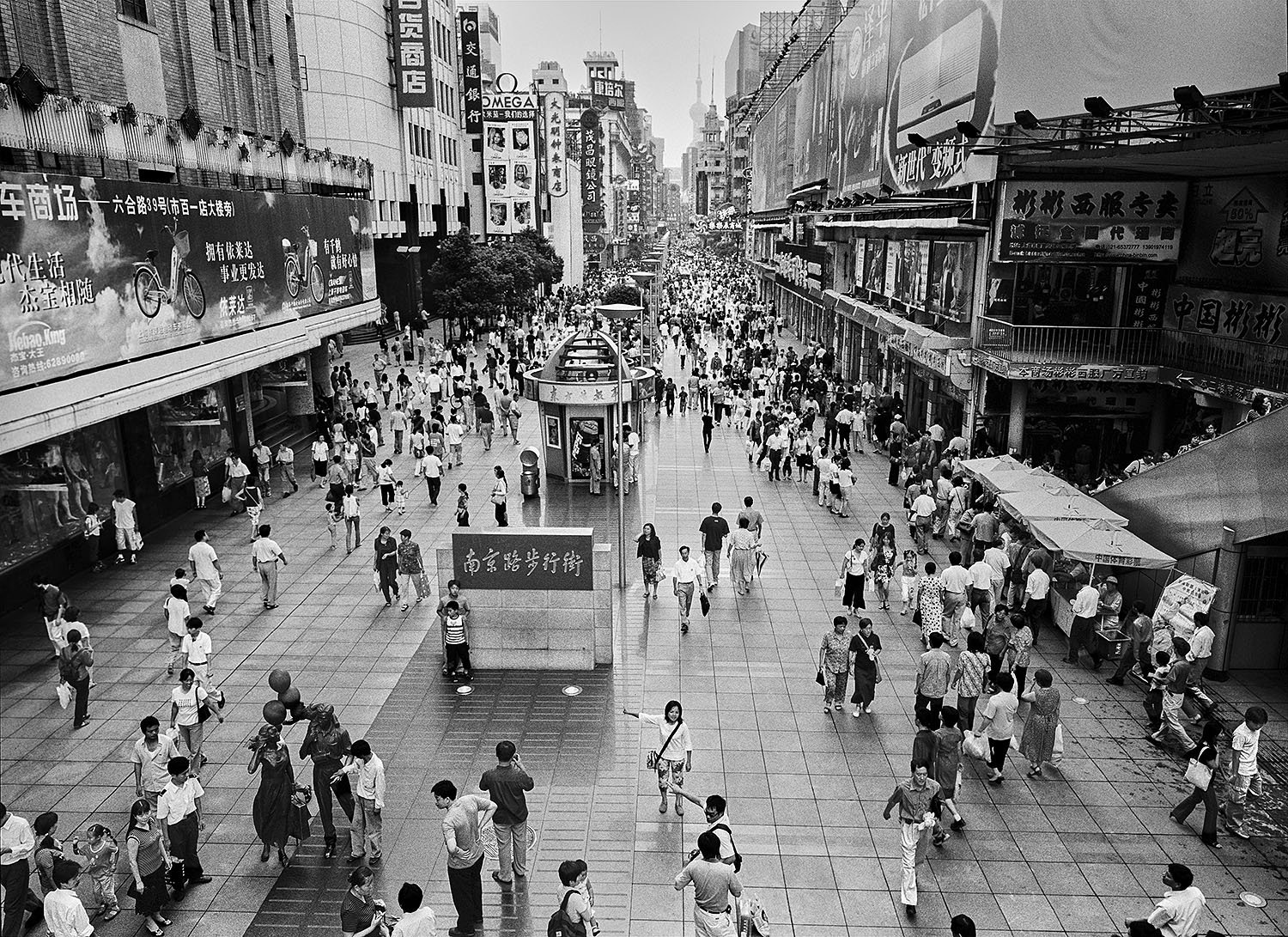
2001 Nanjing Road Walking Street, Shanghai
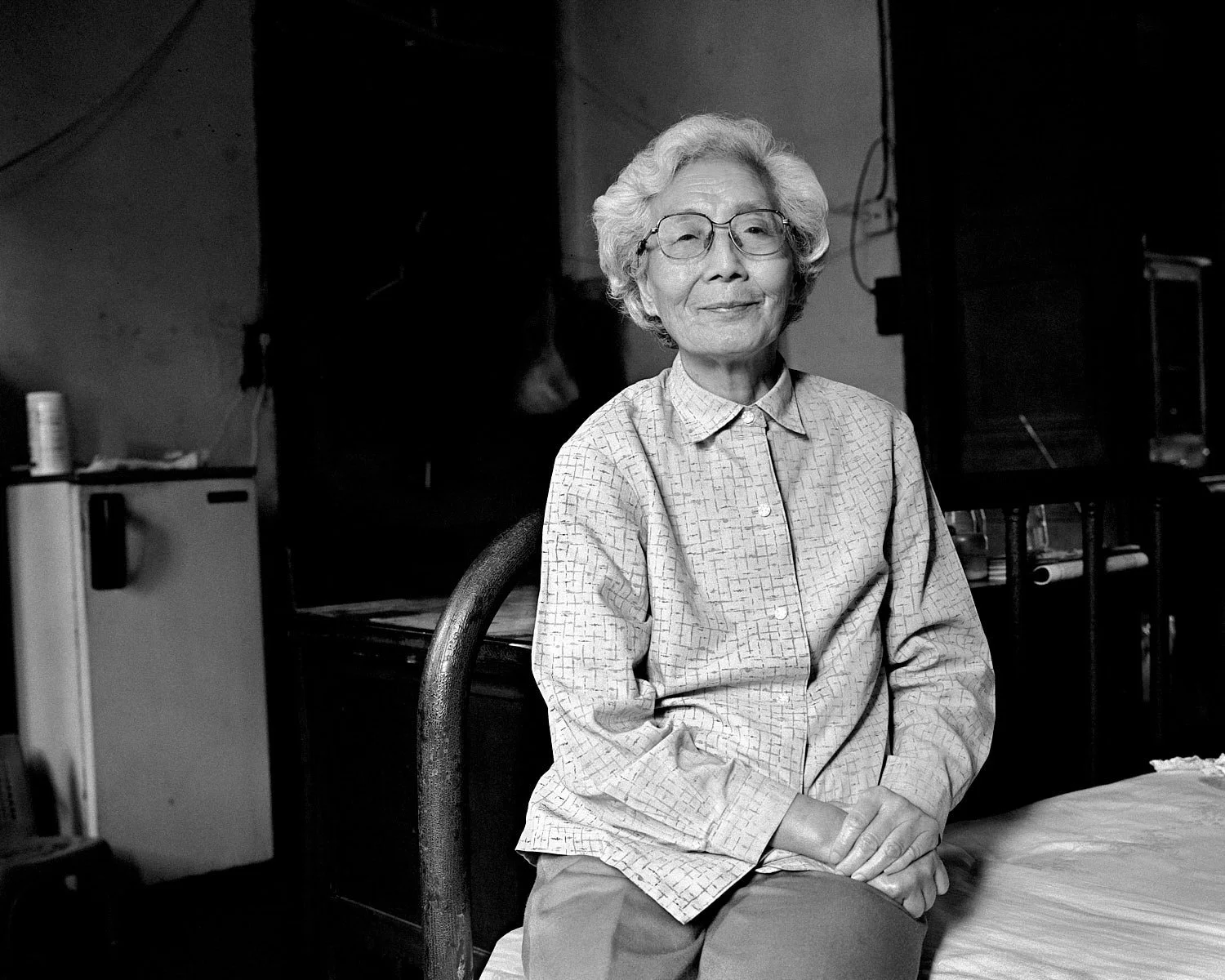
1999 Two Room Home, Shanghai
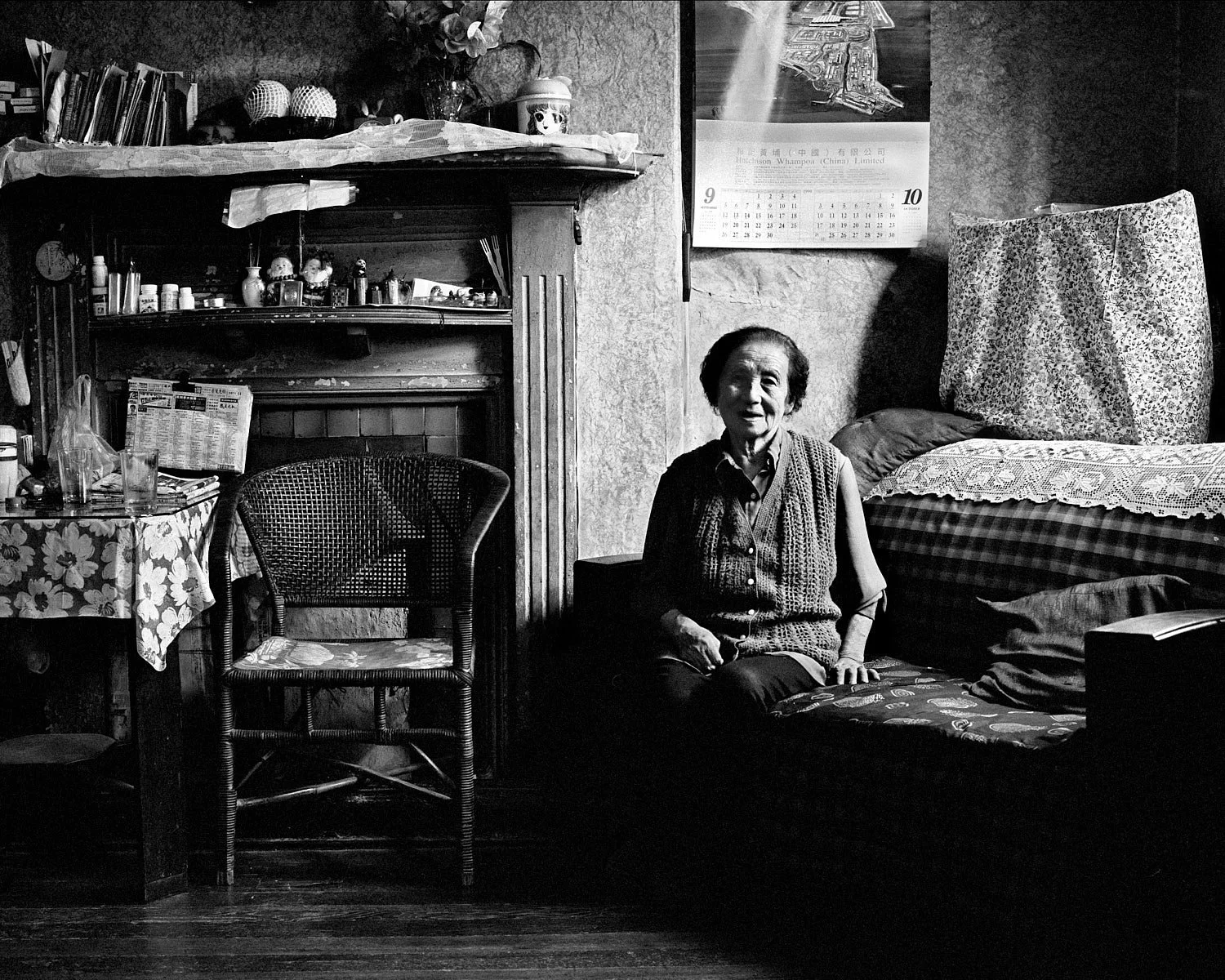
1999 One Room Home, Shanghai
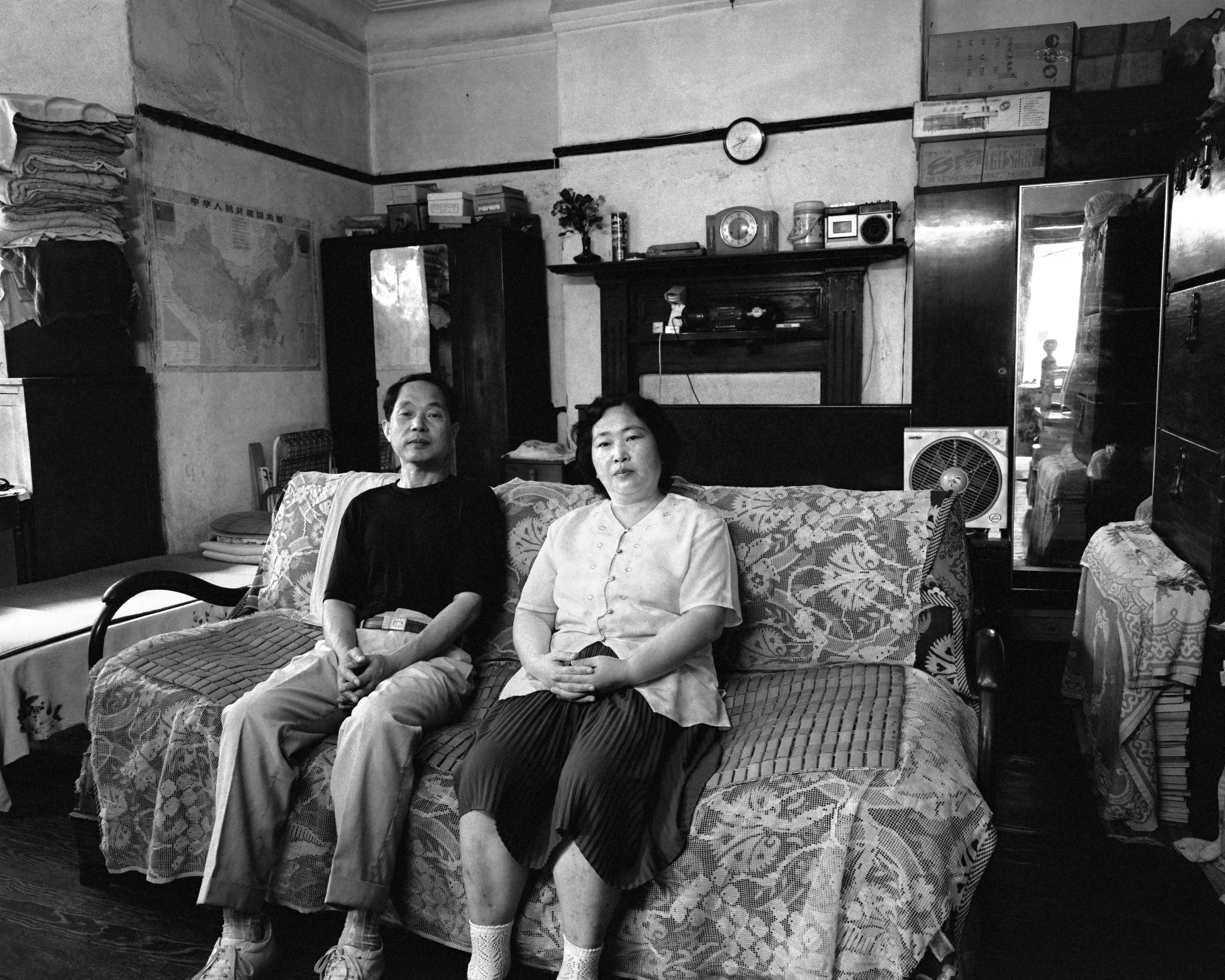
2001 Chong Sween and Sister — One Room Home, Shanghai
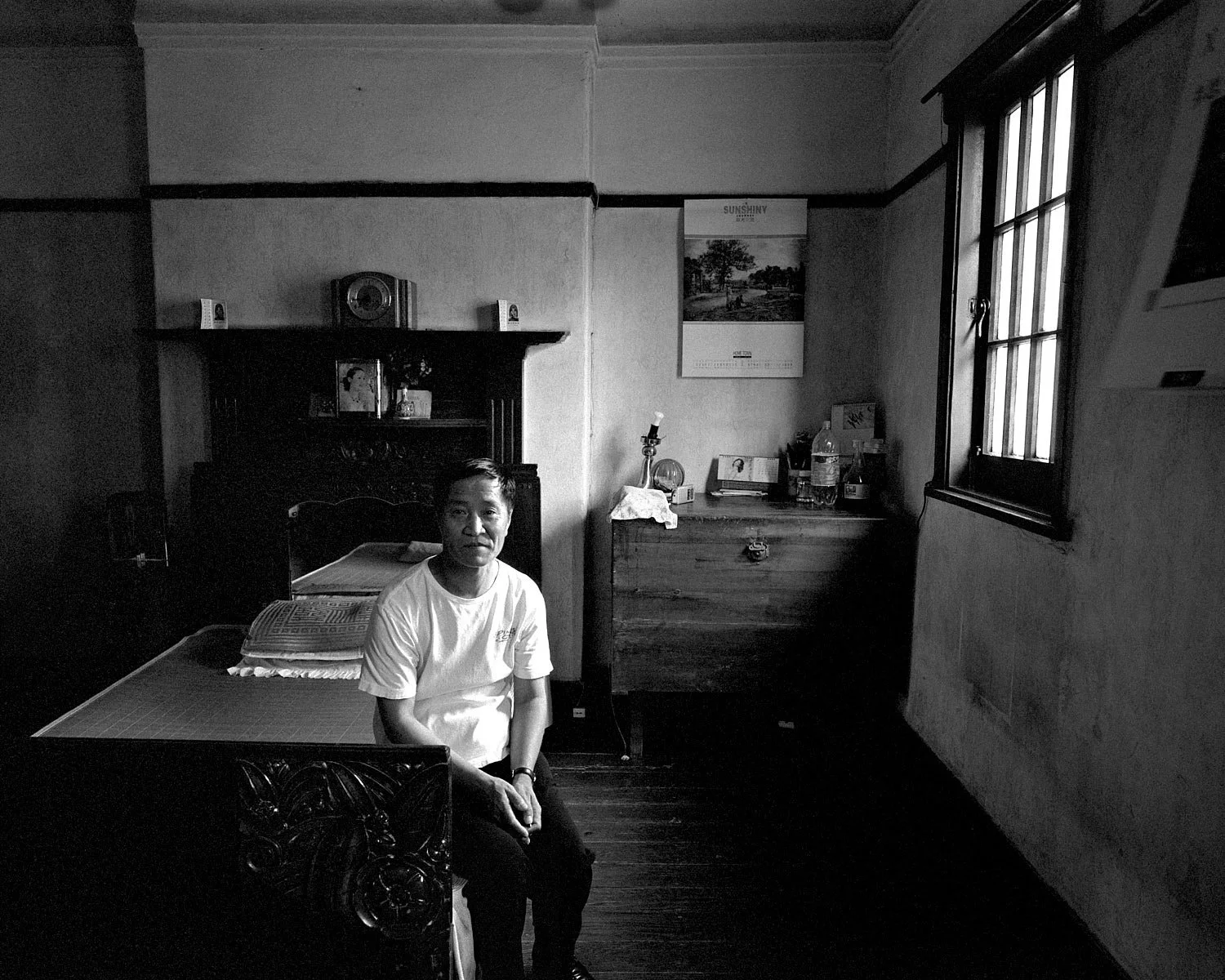
2002 Ke — One Room Home, Shanghai

1987 December Snow, Shanghai
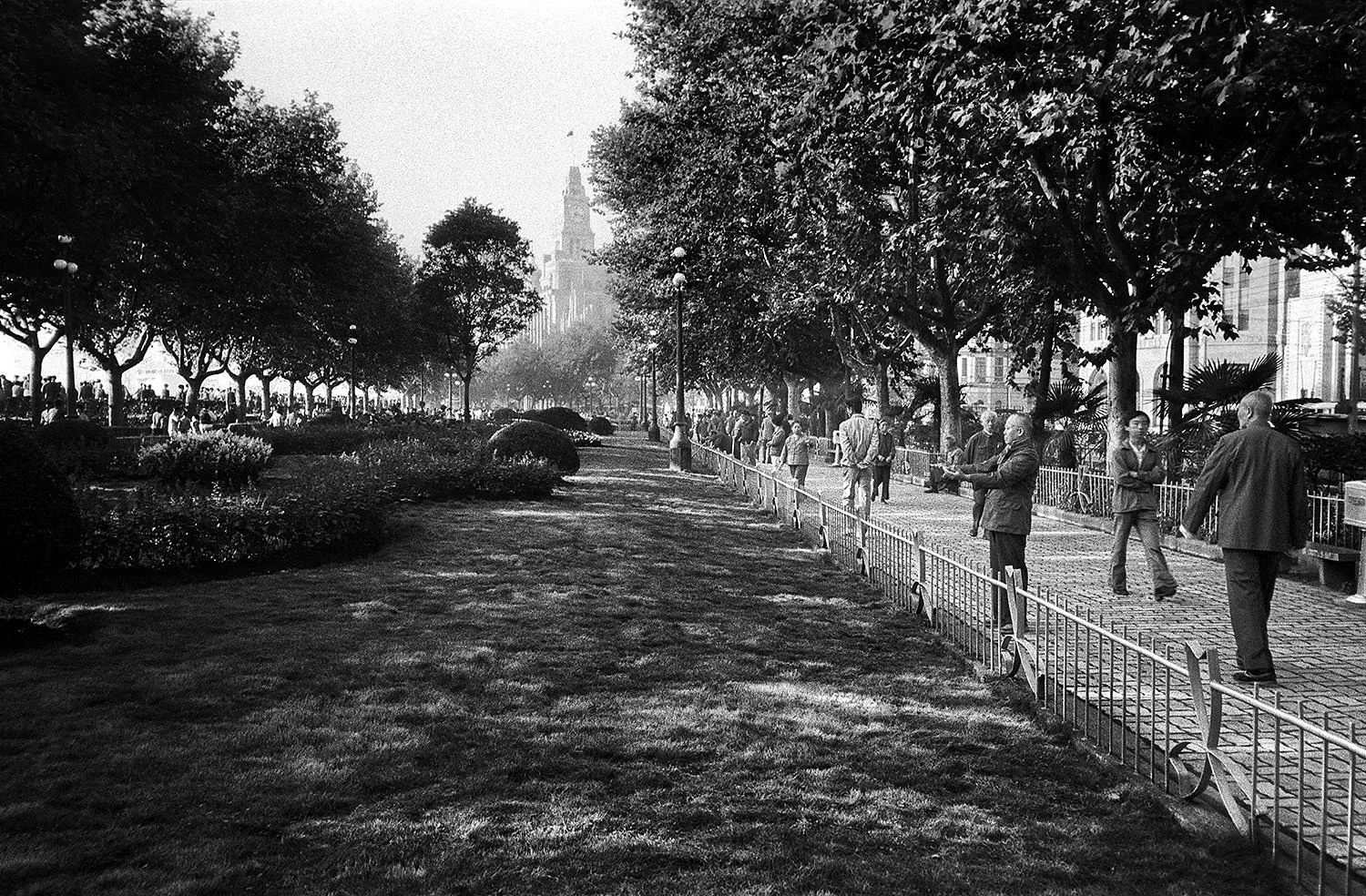
1993 Park Hotel — People's Square on the left, Shanghai
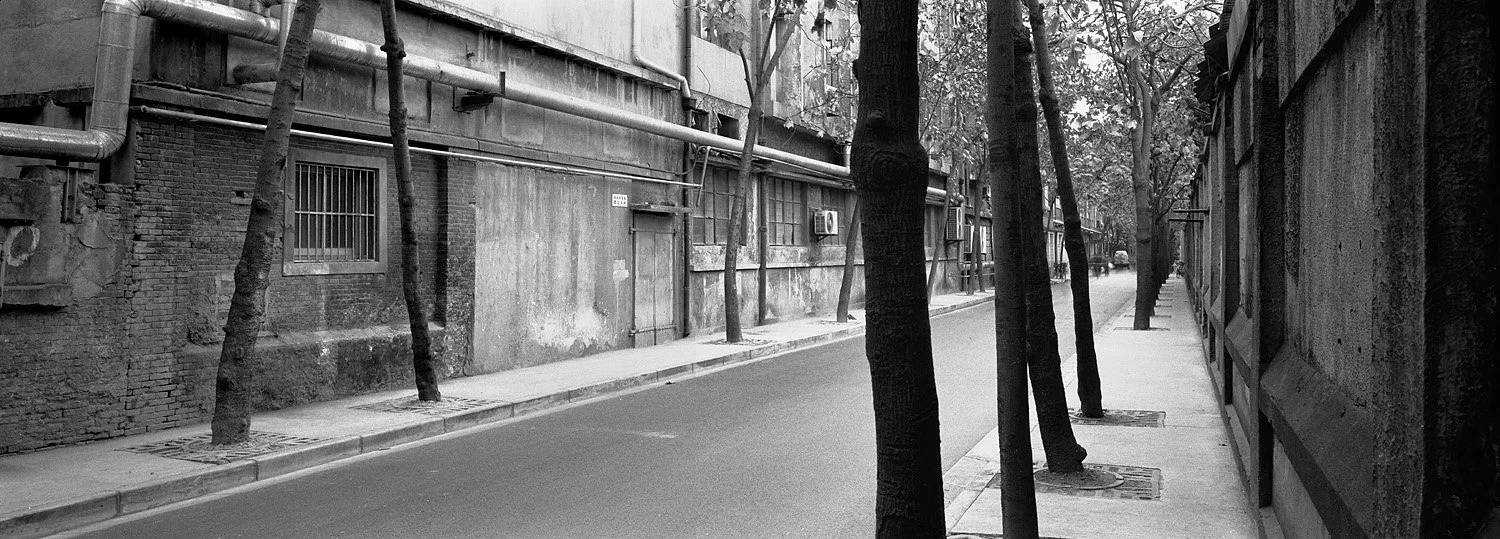
2002 Taikang Road, Shanghai
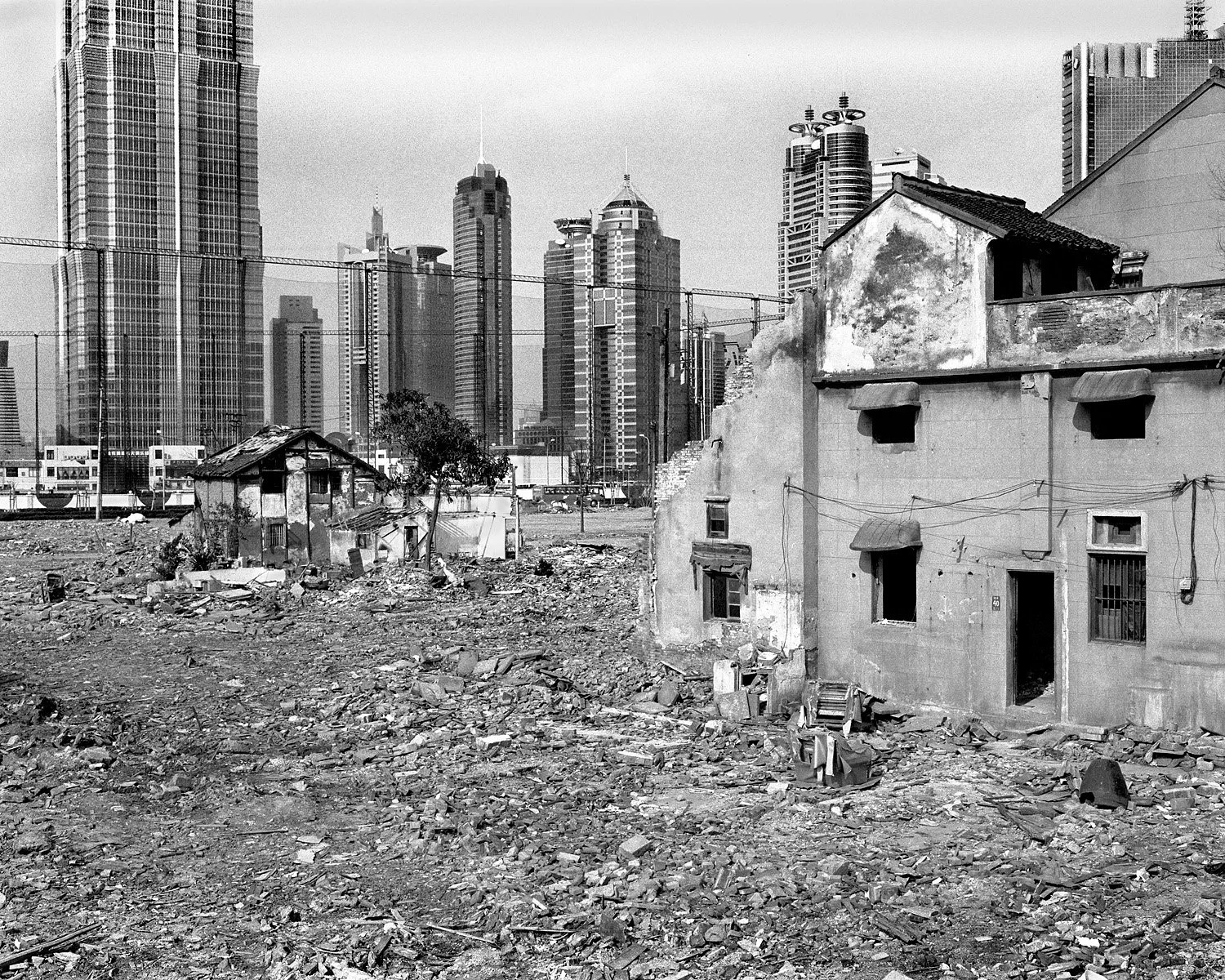
2002 Shanghai Pudong Financial District — Jin Mao Tower, Golf Driving Range Fence, Last Homes
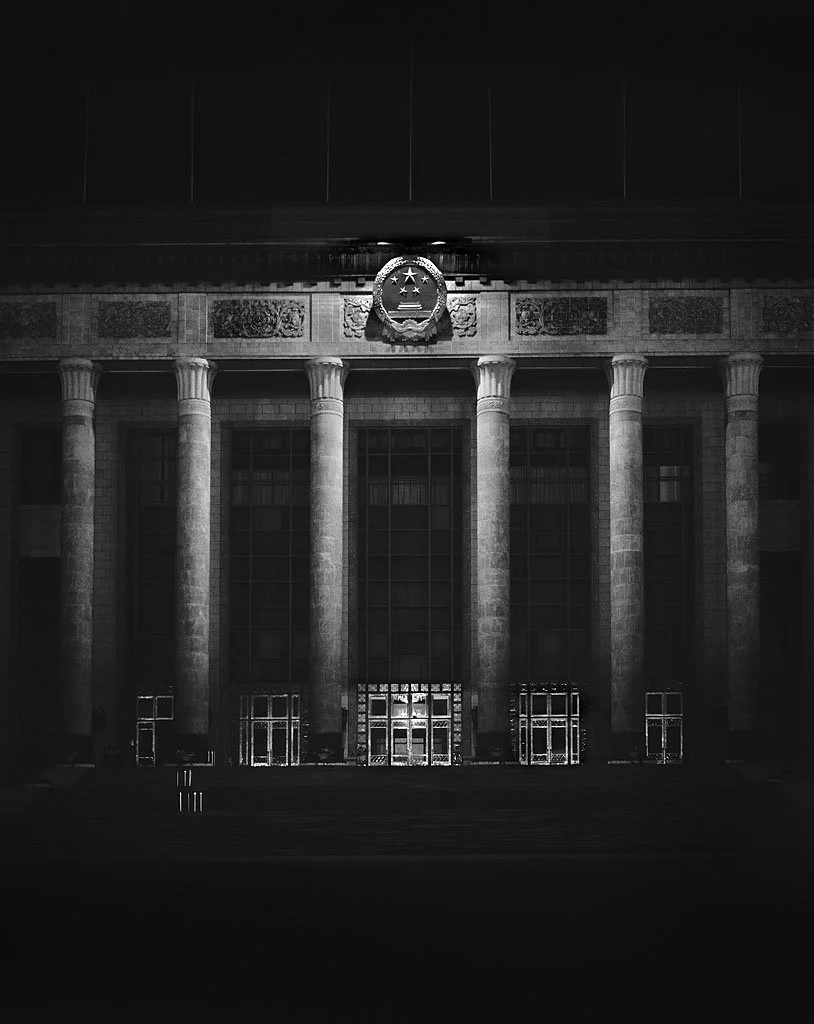
2001 Great Hall of the People, Beijing
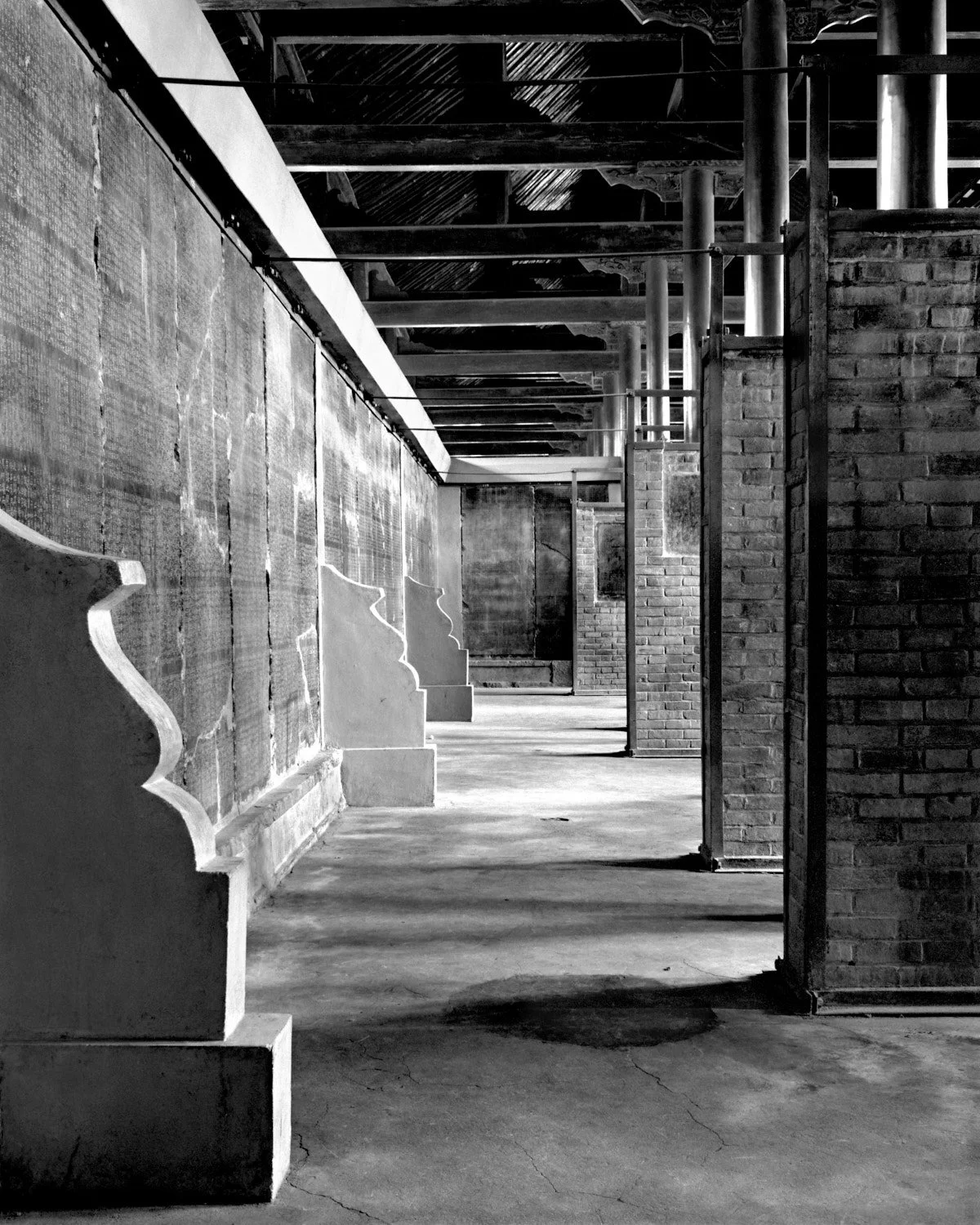
1988 Bei Lin — 837 AD Tang Dynasty Stone Books, Xi'an City Wall
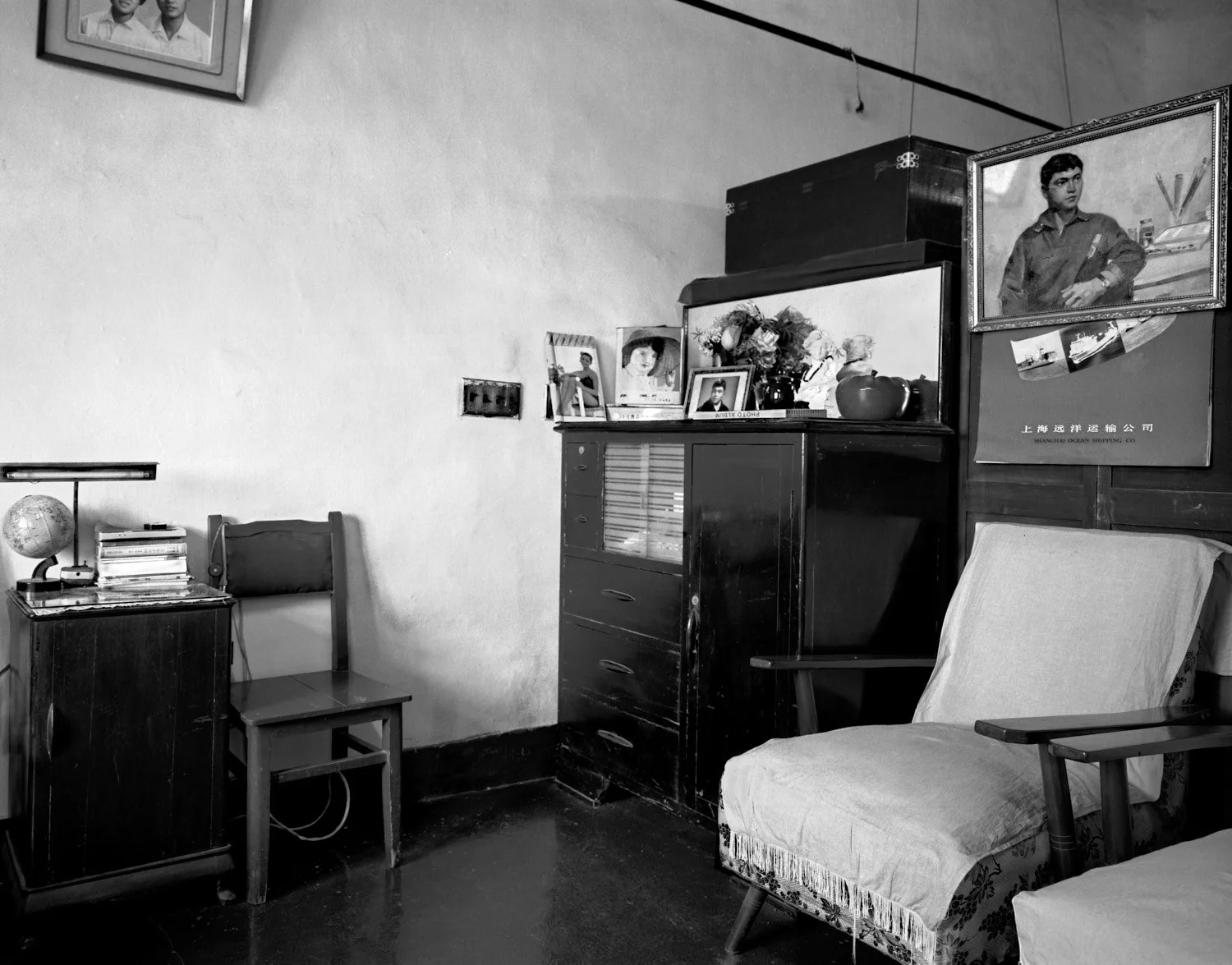
1988 Countryside Bedroom, Chongming Island
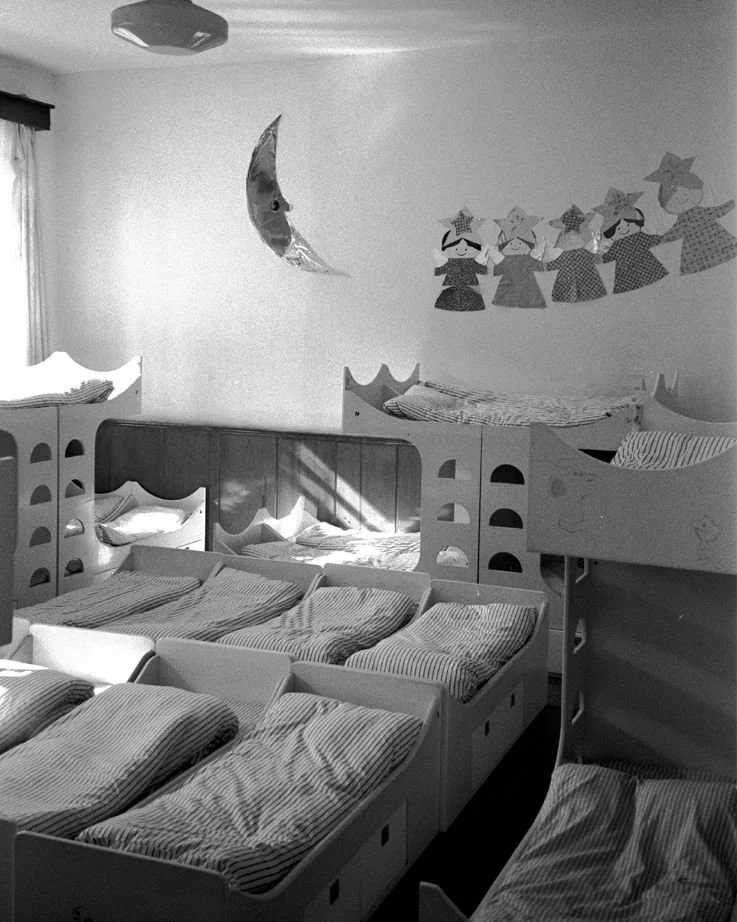
1993 Day Care Beds, Shanghai
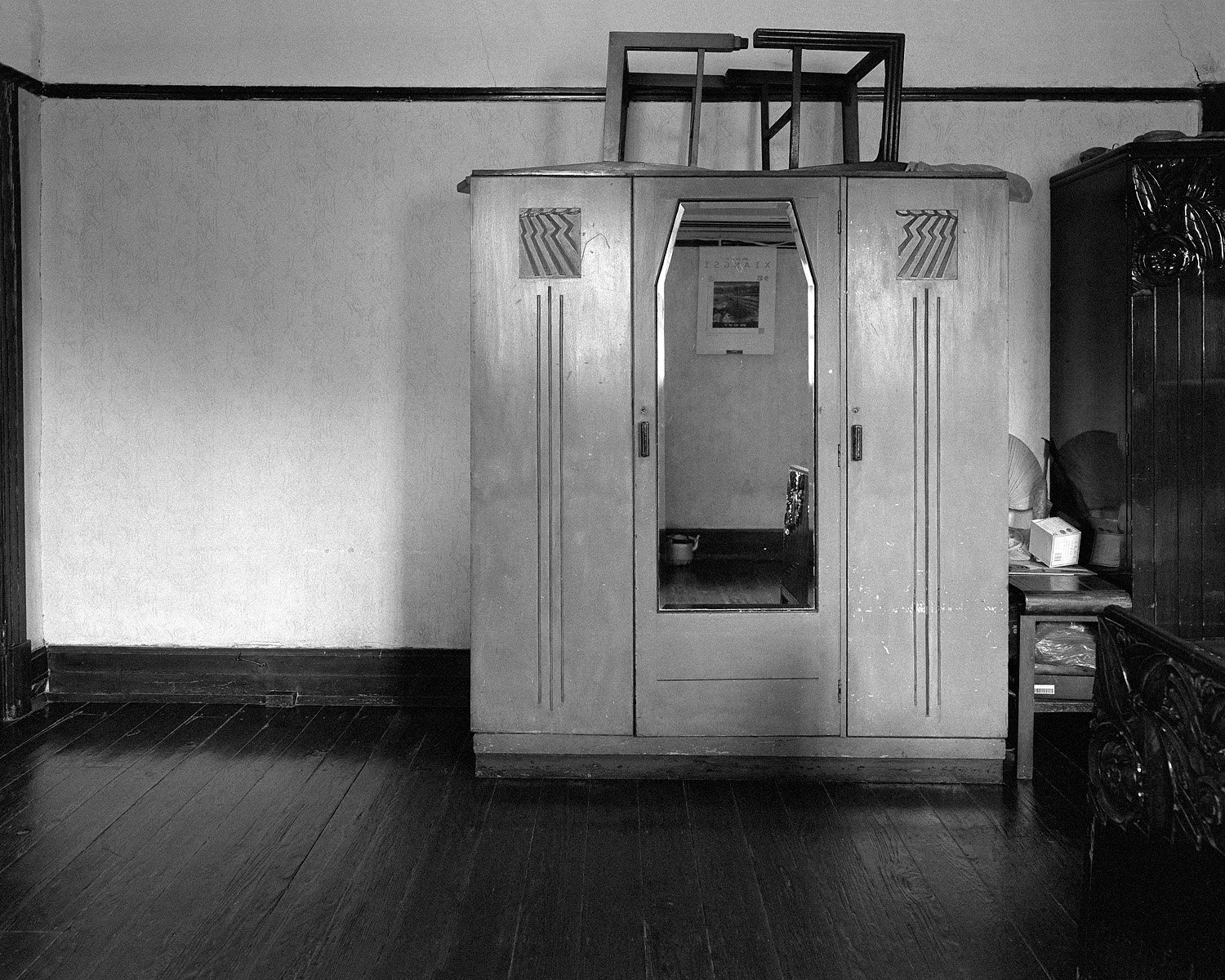
2002 Art Deco Dresser — One Room Home, Shanghai
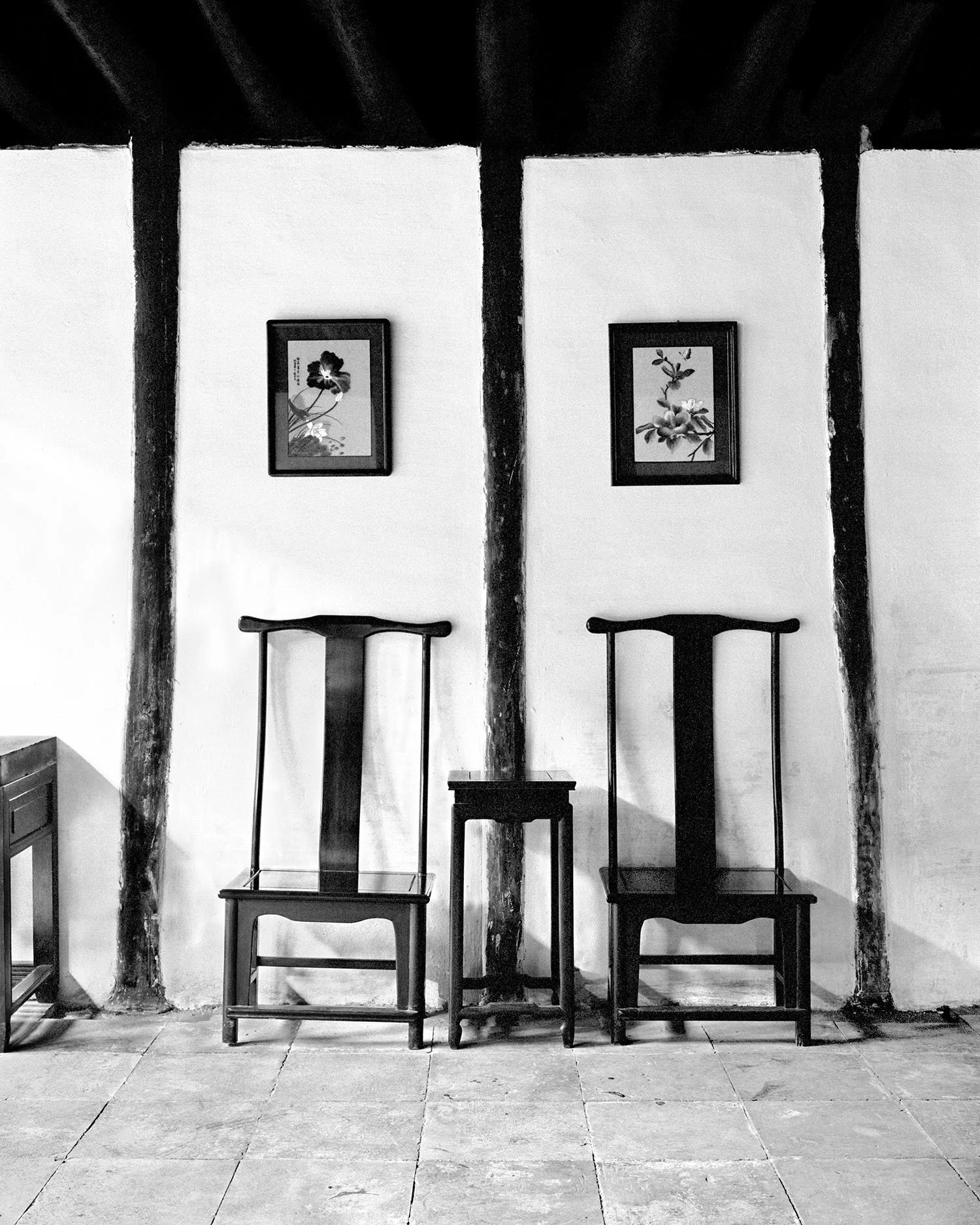
2000 Ming Chairs, Zhujiajiao
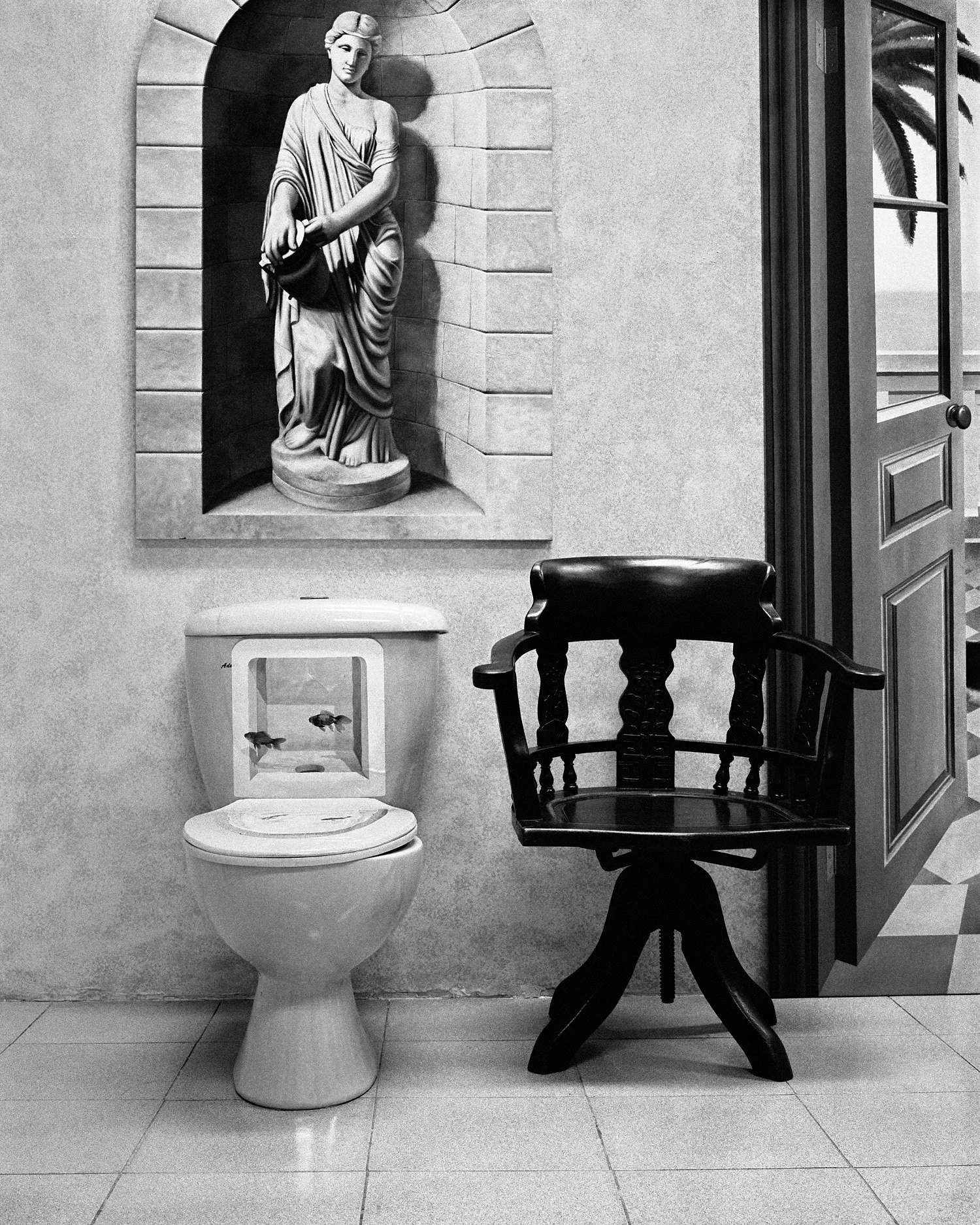
2002 Toilet and Chair — Mural Artist Studio, Shanghai
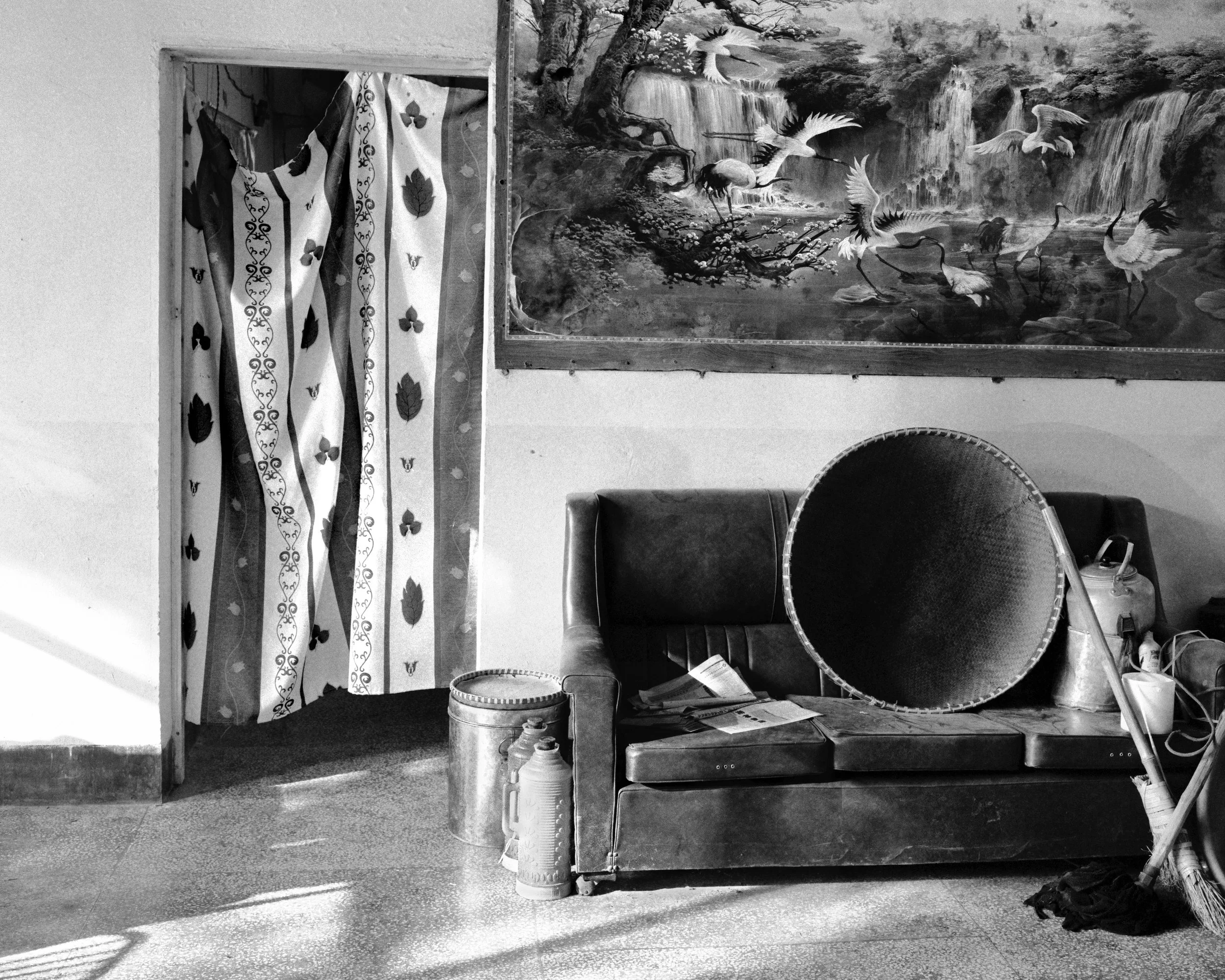
2004 Tea Farmer's Home, Yunnan Province
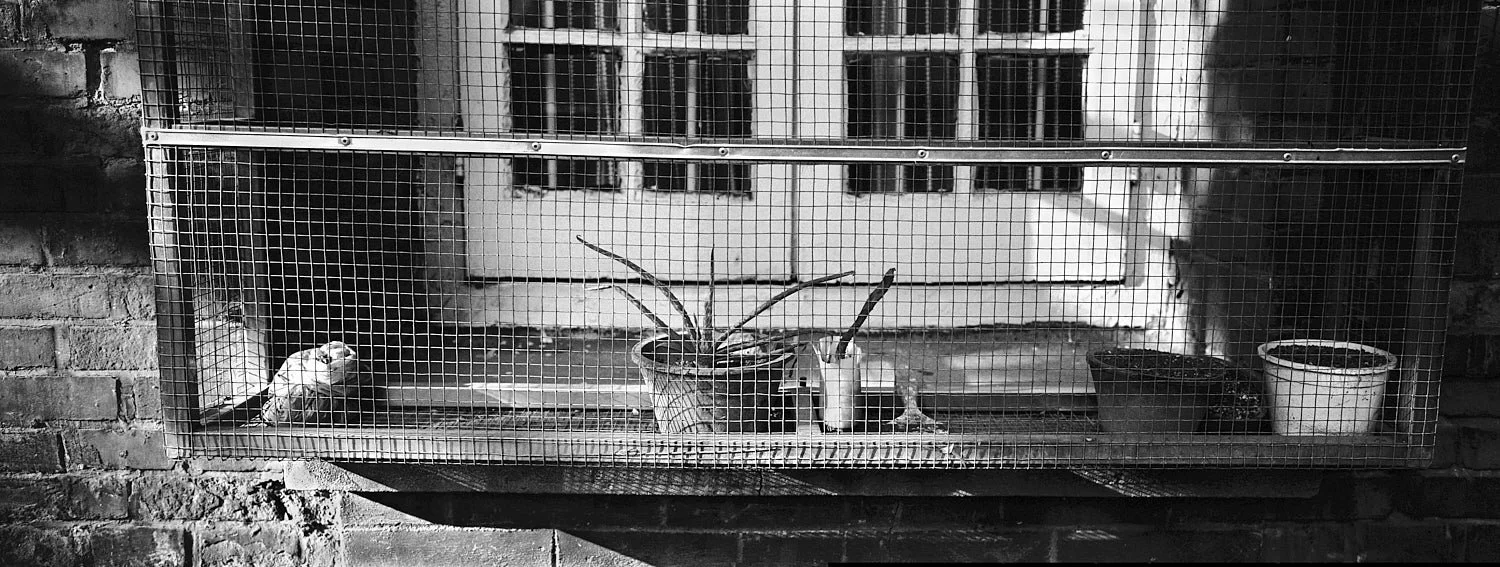
2004 Plant Window — Shouxing Road, Shanghai
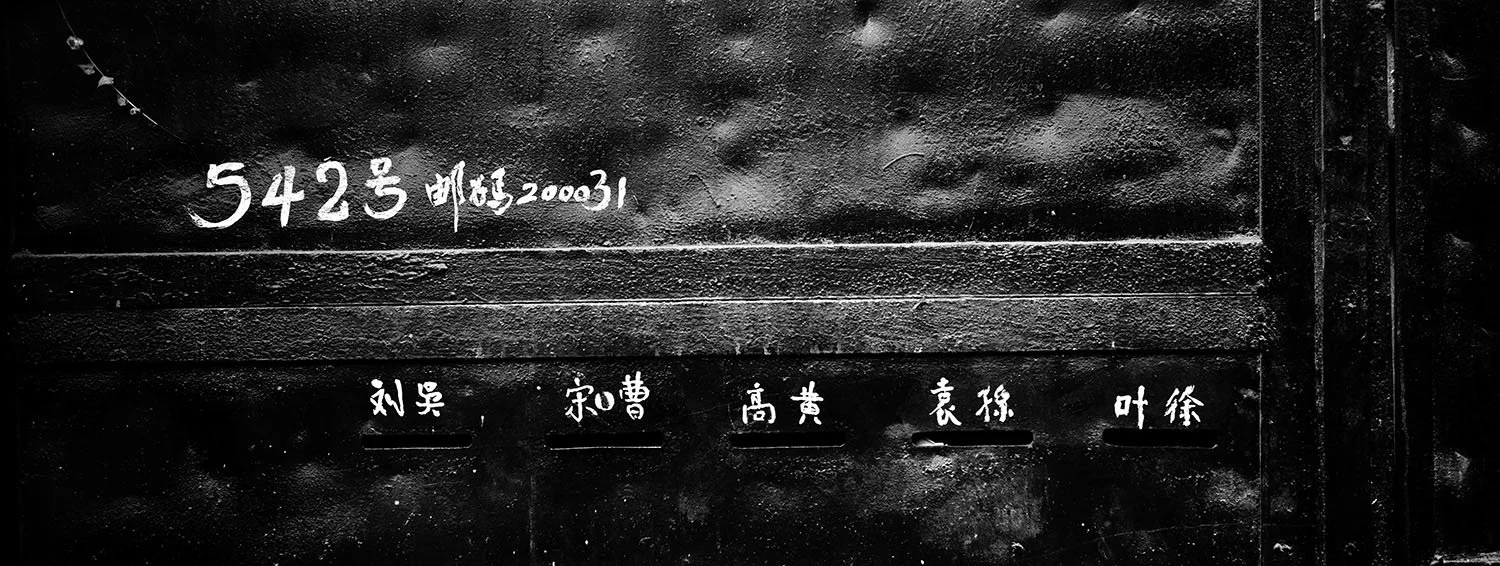
2004 Metal Entrance Gate Mail Slots — Shanxi Road, Shanghai
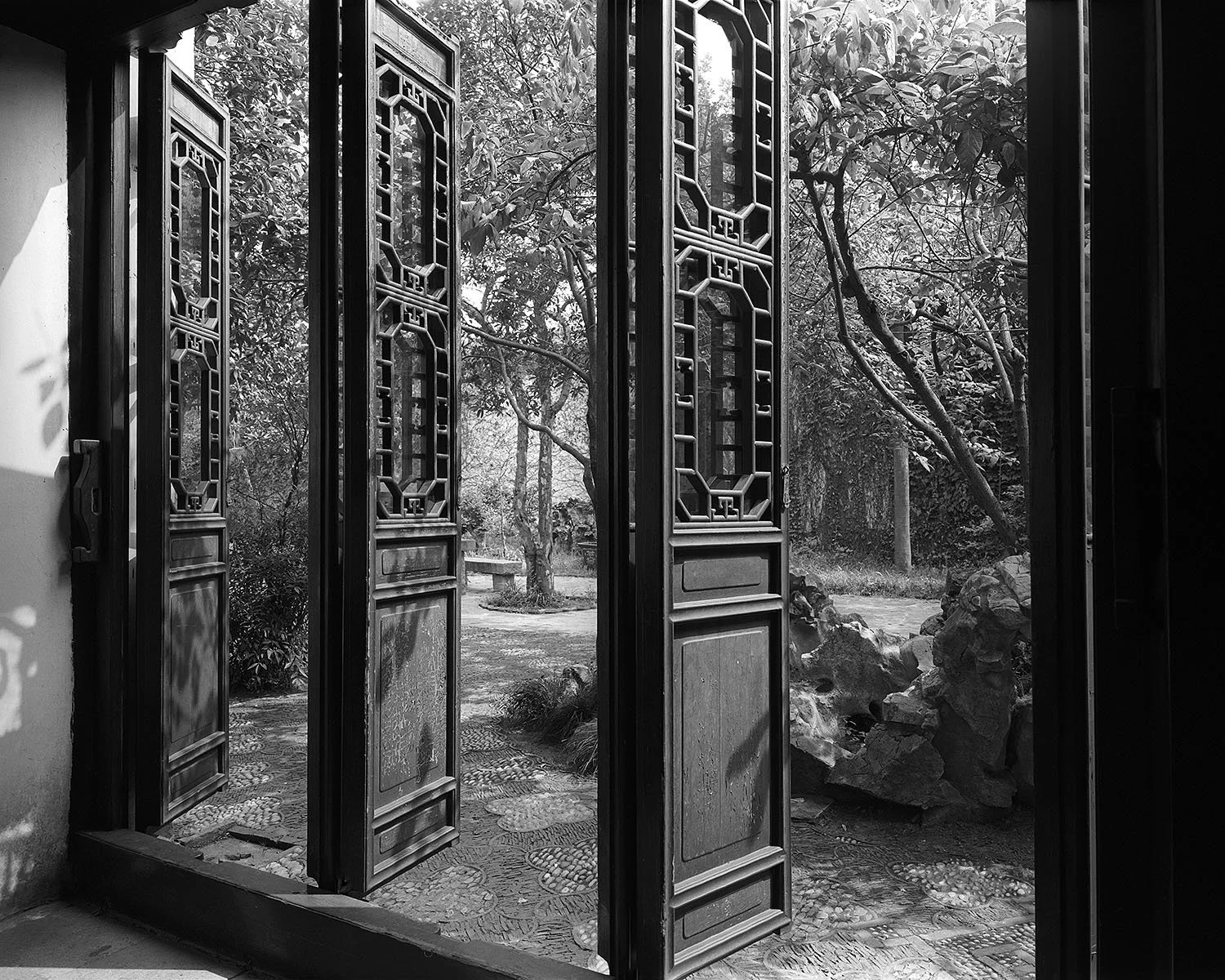
2004 Lattice Doors and Patio, Beijing
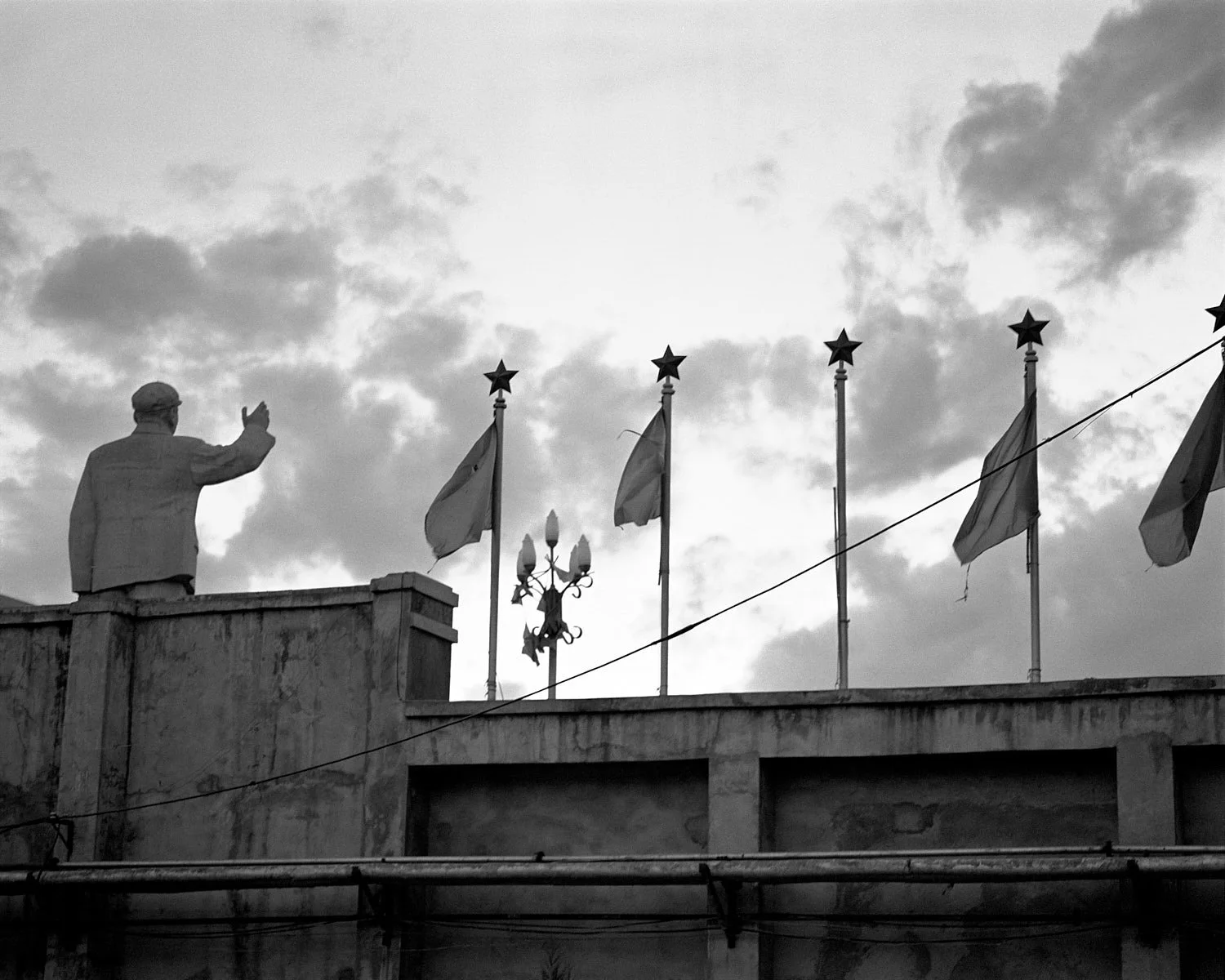
2000 Mao Zedong, Lijiang Red Sun Square — Lijiang, Yunnan Province
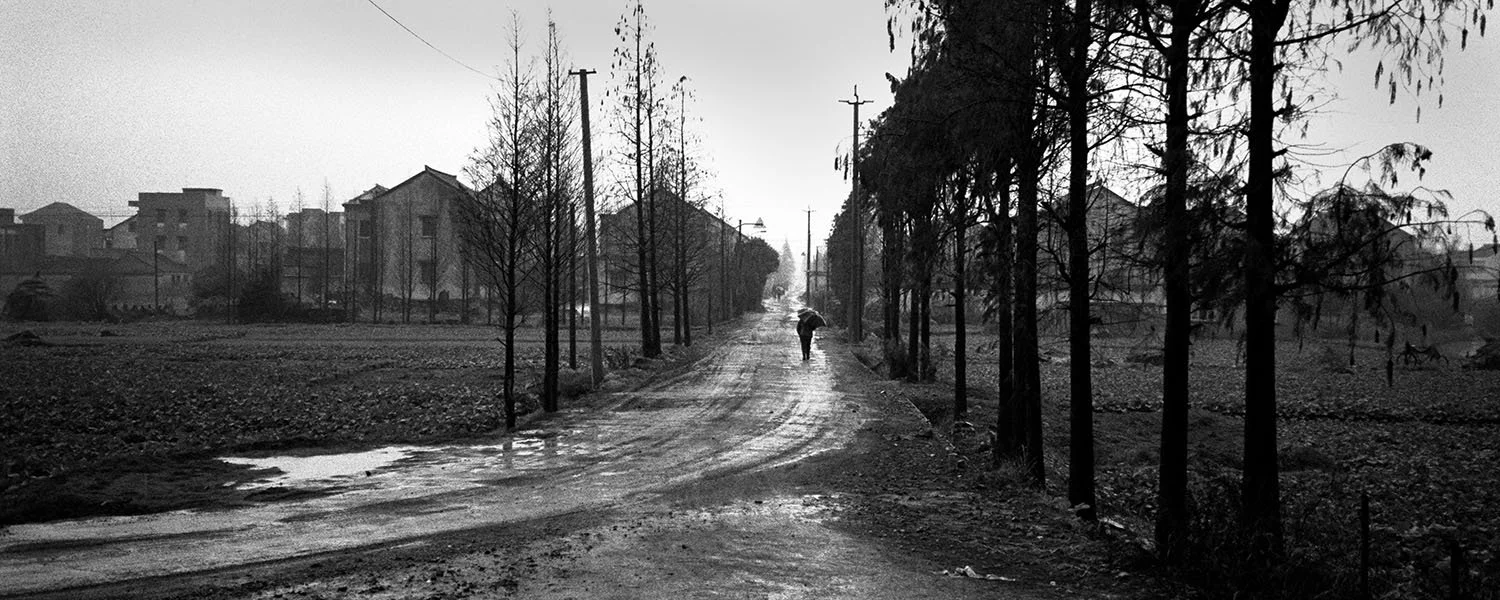
1995 Rain Road, Shandong Province
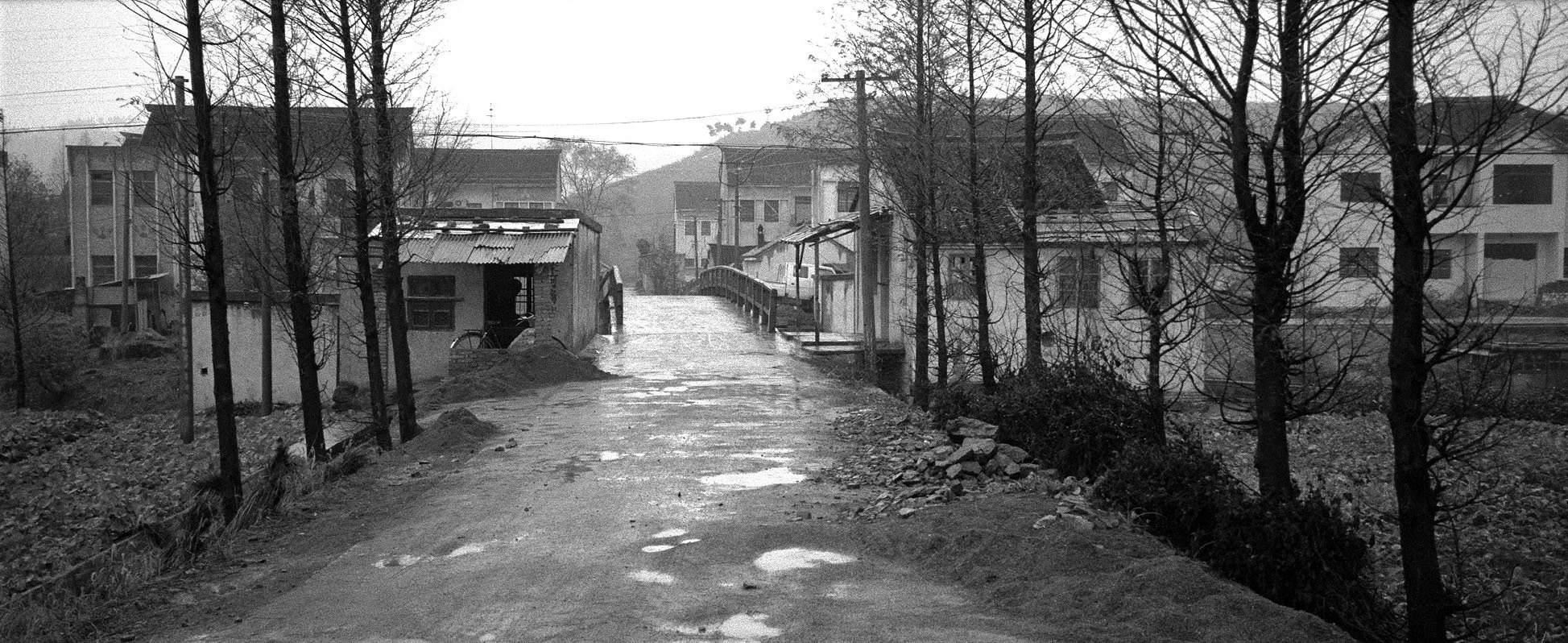
1995 Village, Shandong Province
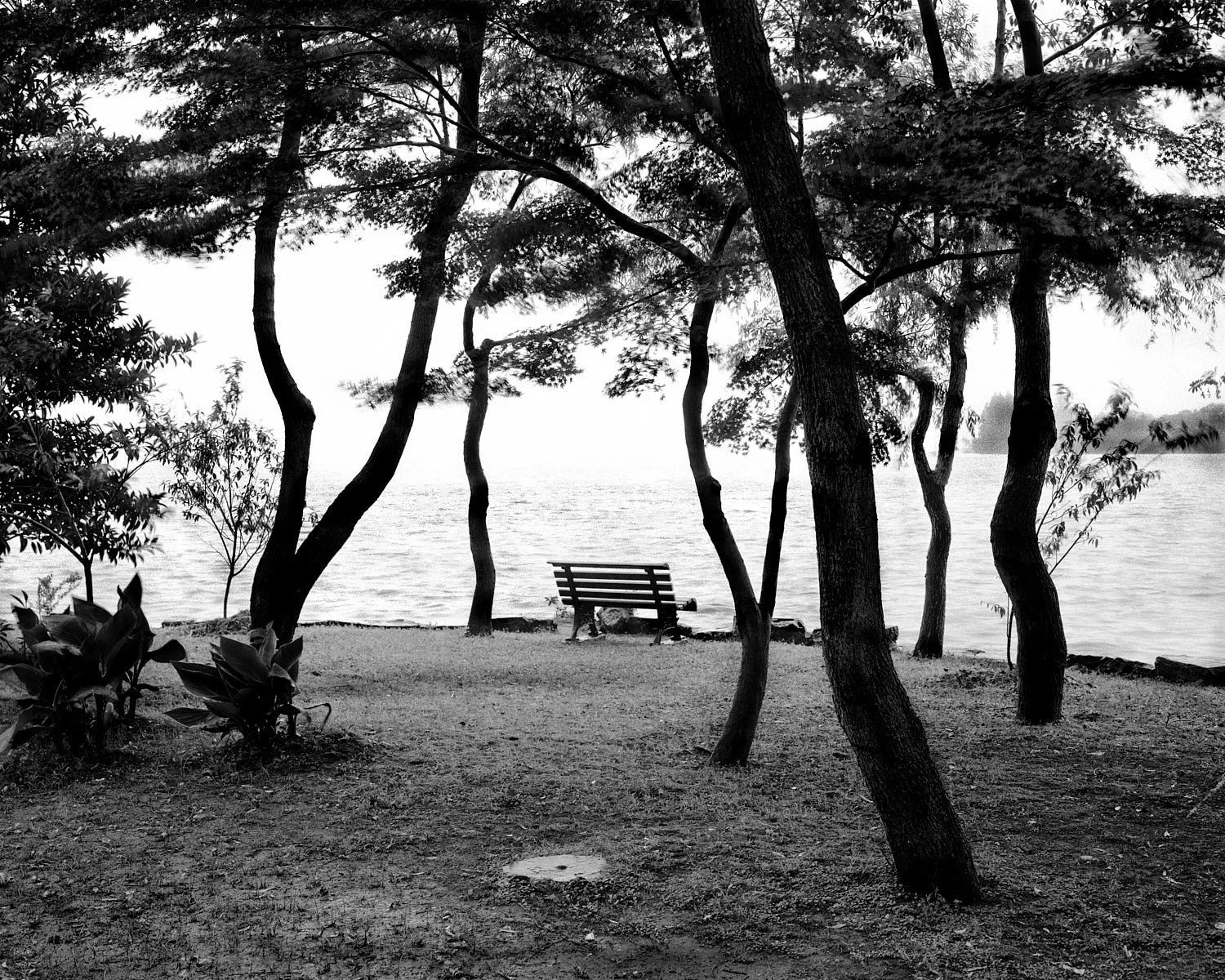
1986 West Lake — Hangzhou, Zhejiang Province

2003 West Lake, Gengbo Pavilion — Hangzhou, Zhejiang Province
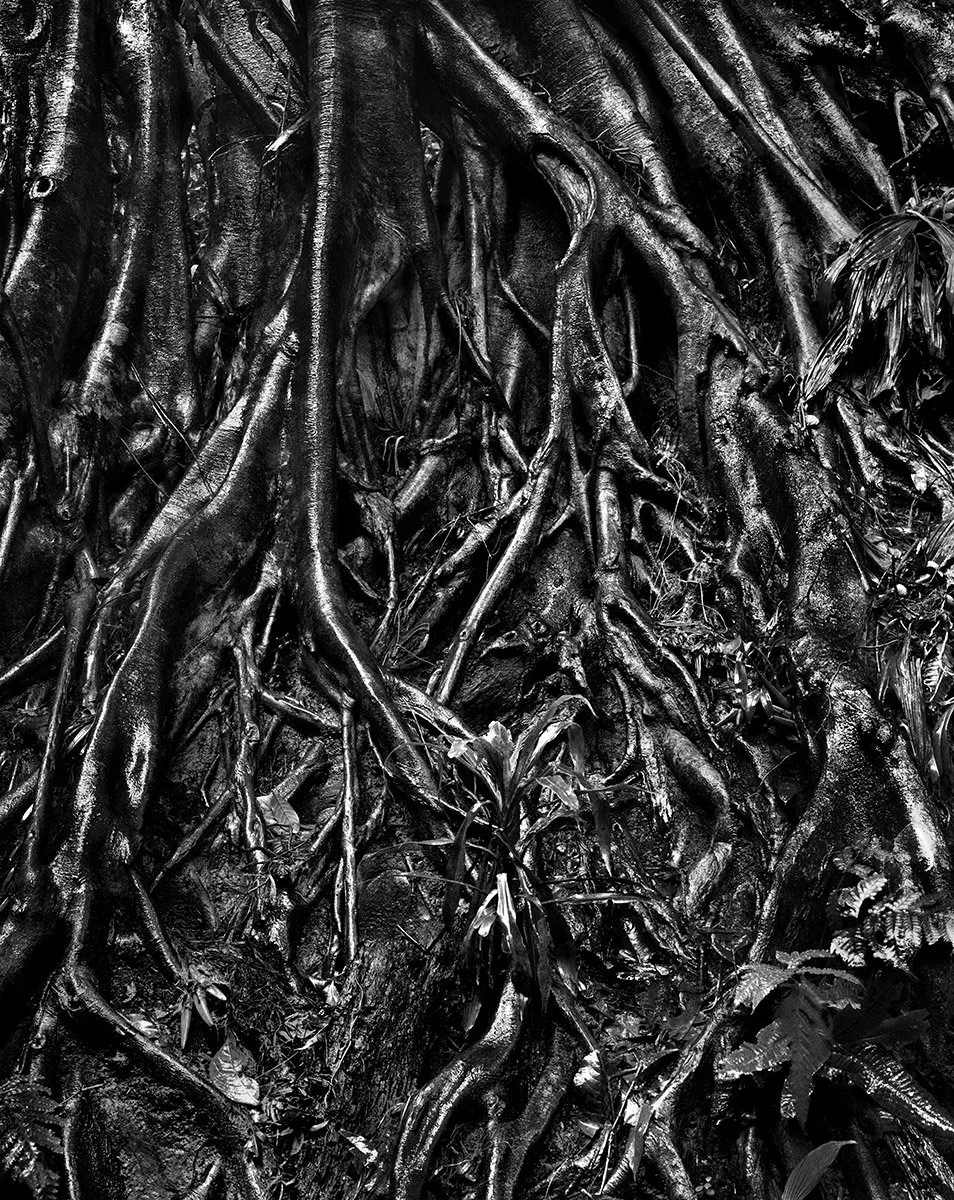
2003 Roots — 1000-Year-Old Banyan Tree, Xishuangbanna
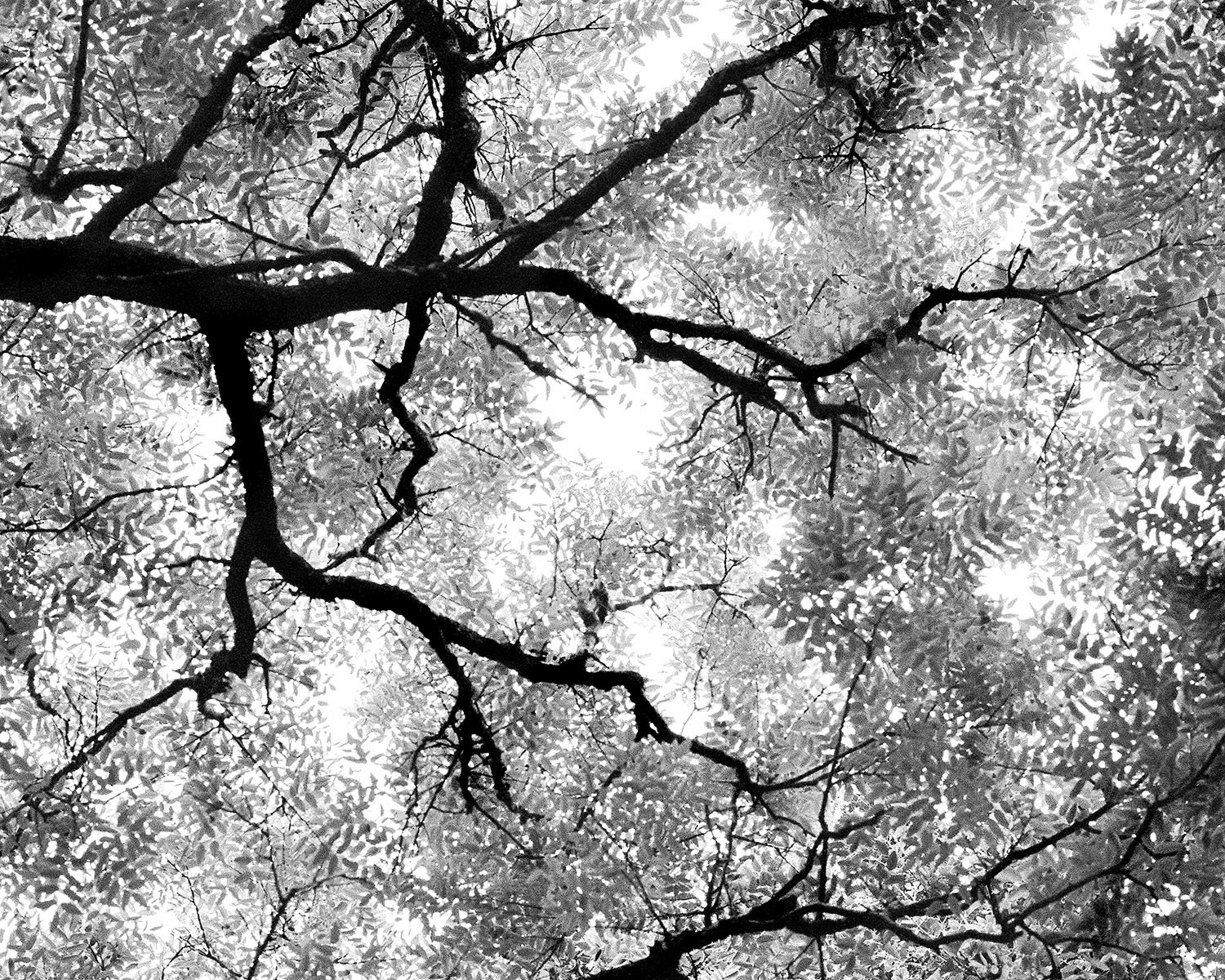
2000 Leaves, Chinese Scholar Tree — Lijiang, Yunnan Province
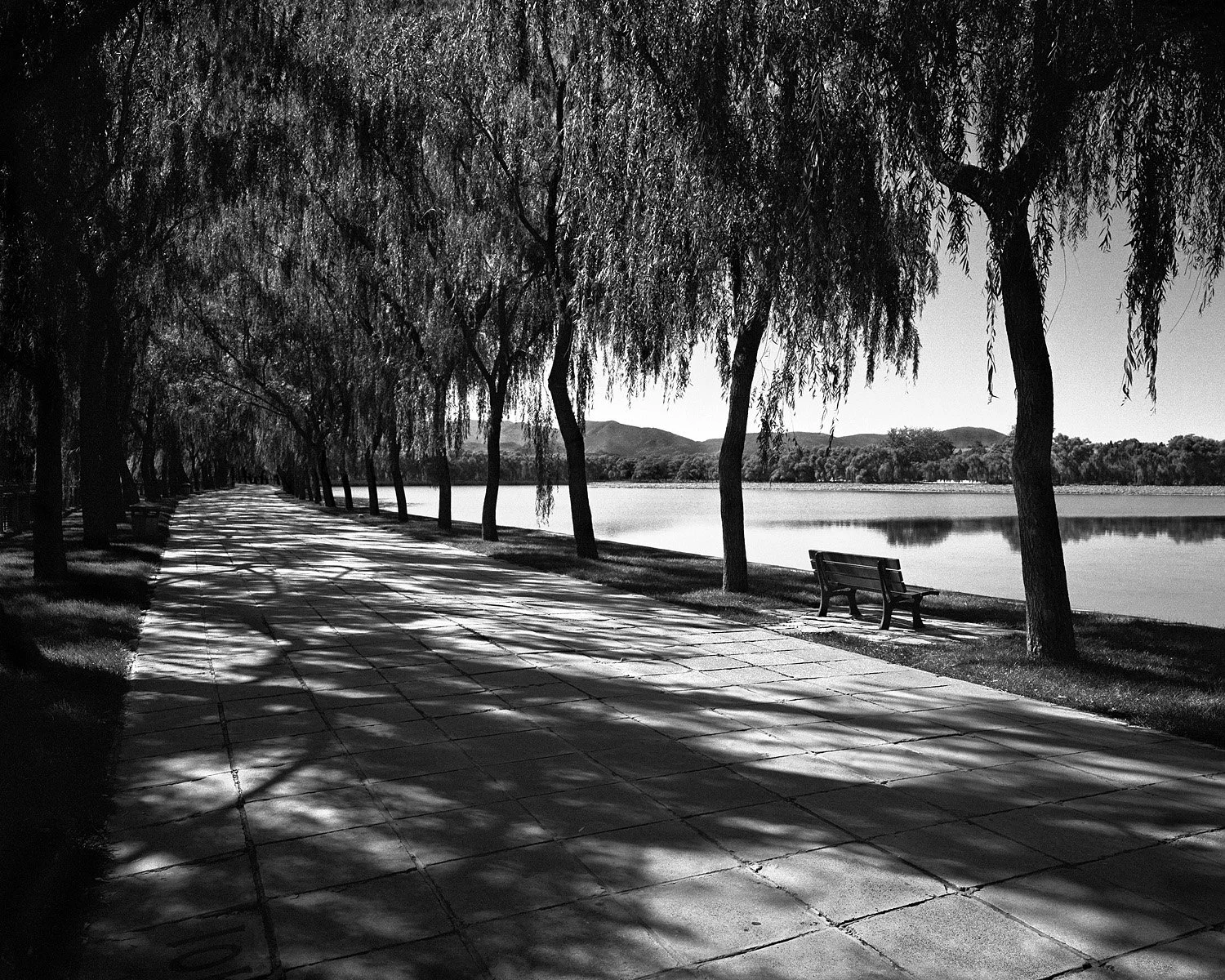
2004 Summer Palace, Beijing
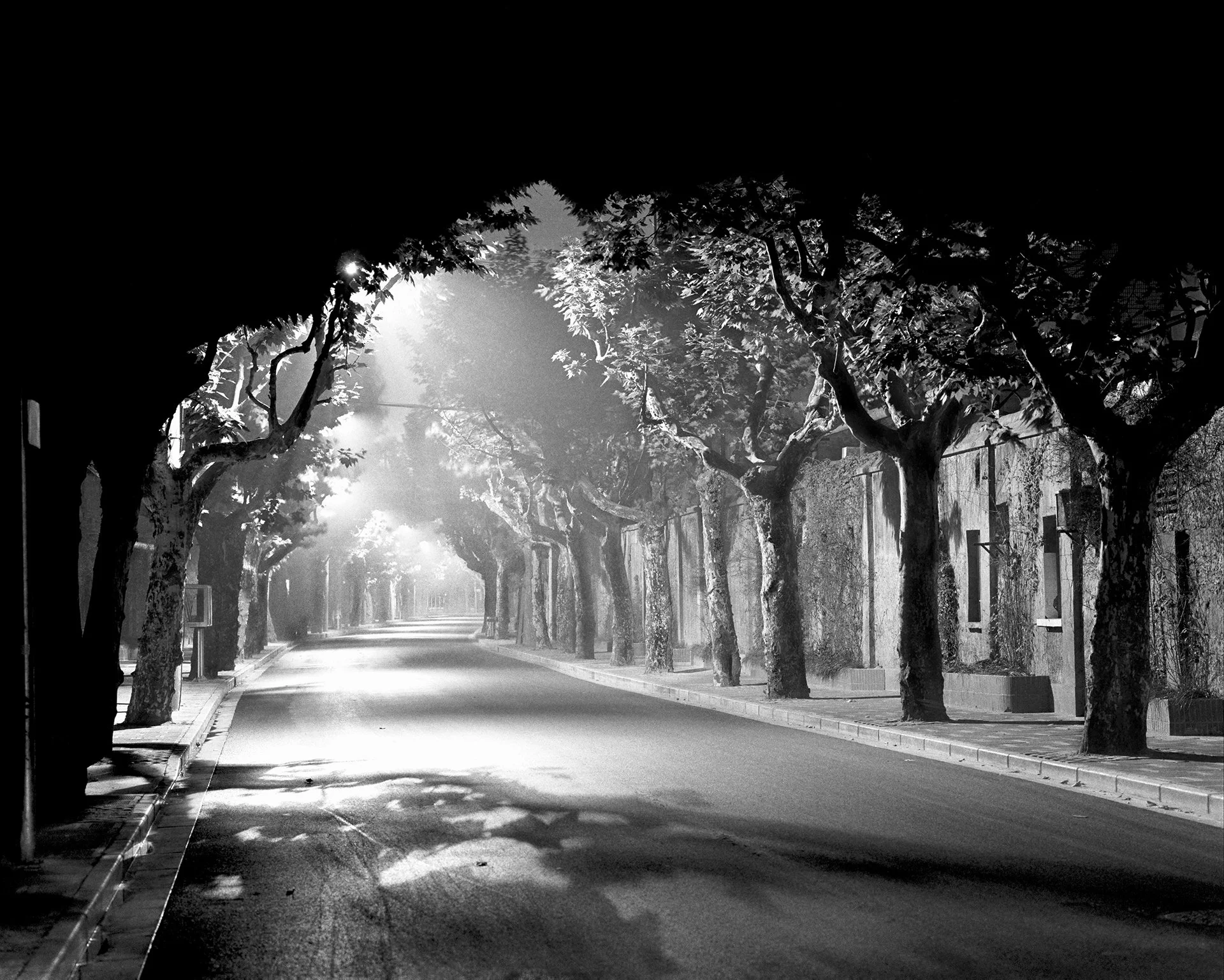
2001 Sinan Road - 2 am, Shanghai
China Photographs in 1980s, 1990s, 2000s
Documentary Fine Art Photographer John Palmer
In the 1980s and 1990s, China was undergoing rapid transformation. Rice paddies were giving way to glass towers that reshaped urban skylines, while neon-lit streets pulsed with traffic and activity. At the same time, rural villages continued to move to the slower rhythms of agricultural life. Sweeping market reforms fueled an economic boom that altered both cityscapes and everyday experience. Even a six-month absence from Shanghai could leave one astonished by how much it had changed. From quiet village paths to the energy of sprawling megacities, my photography traces China’s transition into a new era. This ongoing story continues to attract international attention and invites audiences to engage with the complexity and contradictions of a country still in motion.
Throughout my travels, I have immersed myself in the everyday rhythms of life, often avoiding popular tourist routes to capture rural and urban environments more authentically. To build genuine connections with my subjects, I create environmental portraits that place individuals within their natural surroundings, offering a more intimate and revealing view of their lives.
The gallery brings together both intimacy and diversity: villagers drawing water from ancient wells, Tibetan monks within monastery walls preserving the endurance of ritual life, pioneering feminist scholars challenging traditional gender roles as they establish Women’s Studies in Chinese universities, and families navigating daily life in compact Shanghai apartments amid sweeping urban change. Each scene documents the rapid pace of urbanization and its profound impact on China’s social fabric. These photographs also give visual voice to authors, composers, and dissidents whose ideas have shaped the nation’s cultural landscape.
Together, these images form a nuanced visual archive of a country in flux. They preserve the memory of a disappearing China while documenting the rise of a new one, inviting viewers into an ongoing narrative that links past, present, and future through photography. In this act of preservation, the viewer plays an essential role as an active participant in the story.
During the 1980s and 1990s, I photographed with a large-format 4x5 view camera, which allowed for careful composition and exceptional detail. Working only with available light, I used slow shutter speeds, a sturdy tripod, and expansion development to increase contrast, treating each negative with deliberate care. Rather than looking through a viewfinder at the moment of exposure, I stood beside the camera and limited each portrait session to just two to four frames, reinforcing a sense of intention and focus. In the 2000s, I switched to 6x7 and xPan rangefinder cameras, embracing greater flexibility and spontaneity. Through all these changes in tools and methods, my aim has remained the same: to use photography’s universal language to foster cultural understanding and illuminate the faces, environments, and rhythms of a nation in profound transformation.