
China Color Gallery
Rural and Urban Photographs of China in the 1980s, 1990s, 2000s
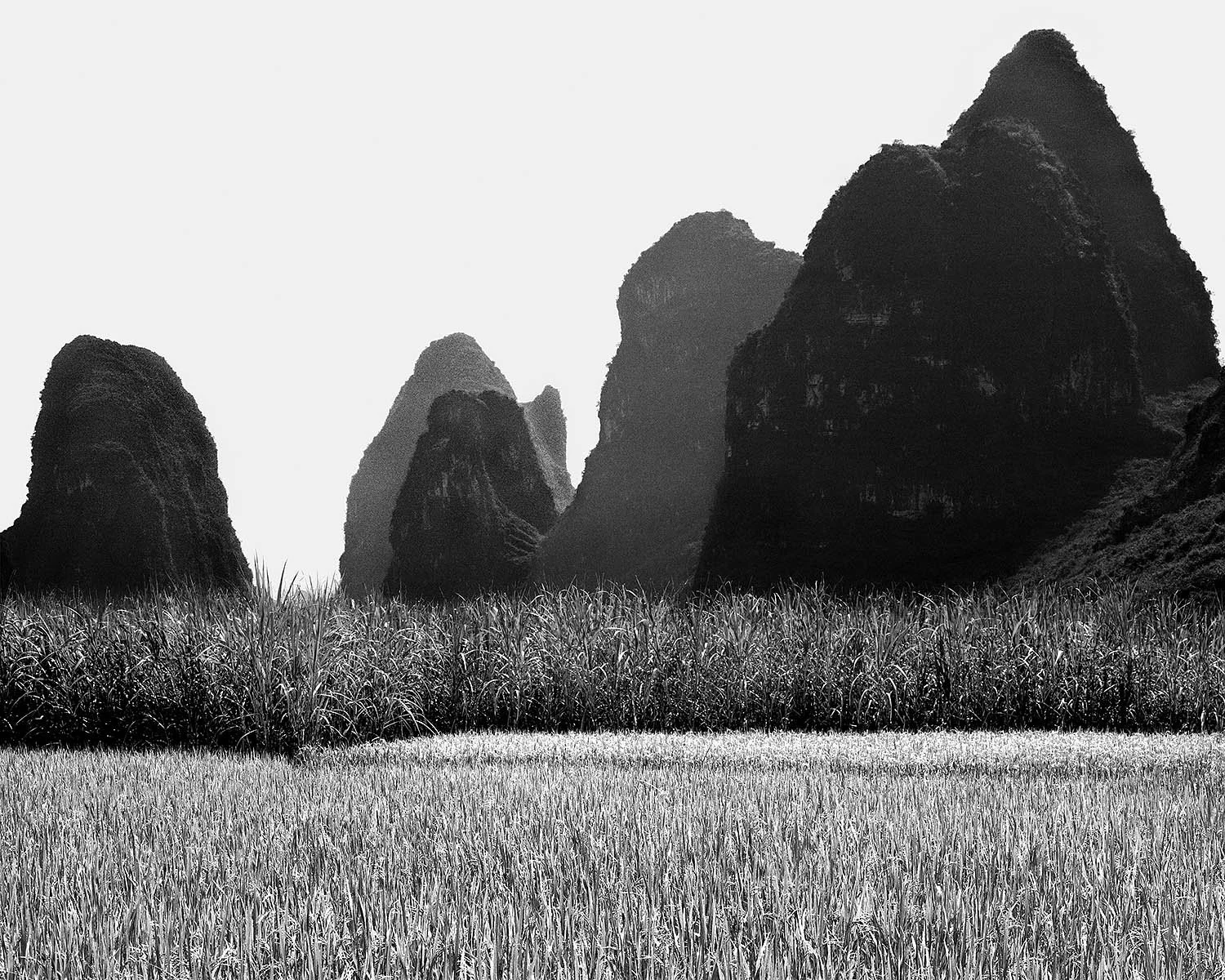
1986 Yangshuo – Karst Formations and Rice Fields, Guangxi Province
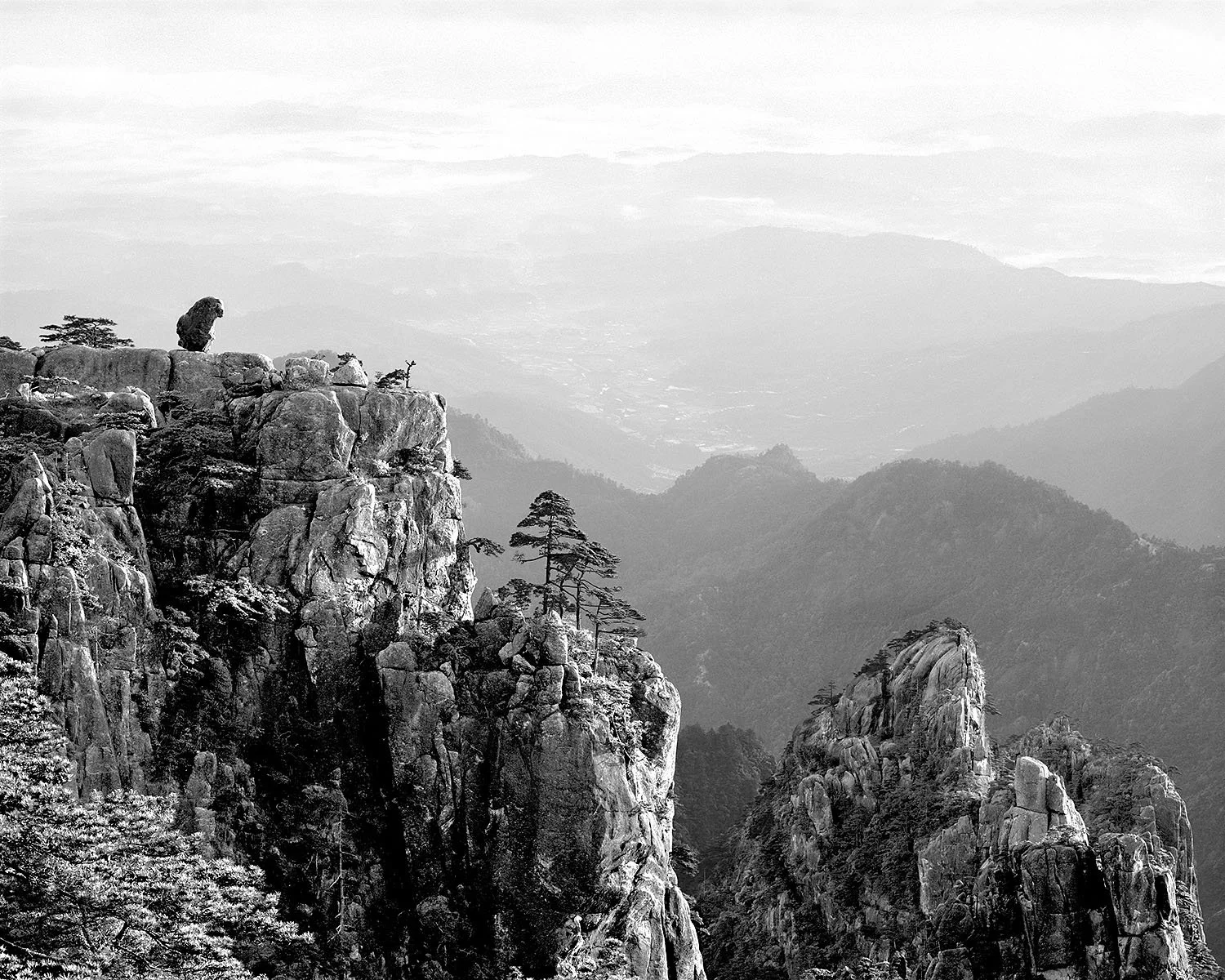
1987 Yellow Mountain – Stone Monkey Gazing at the Sea, Anhui Province
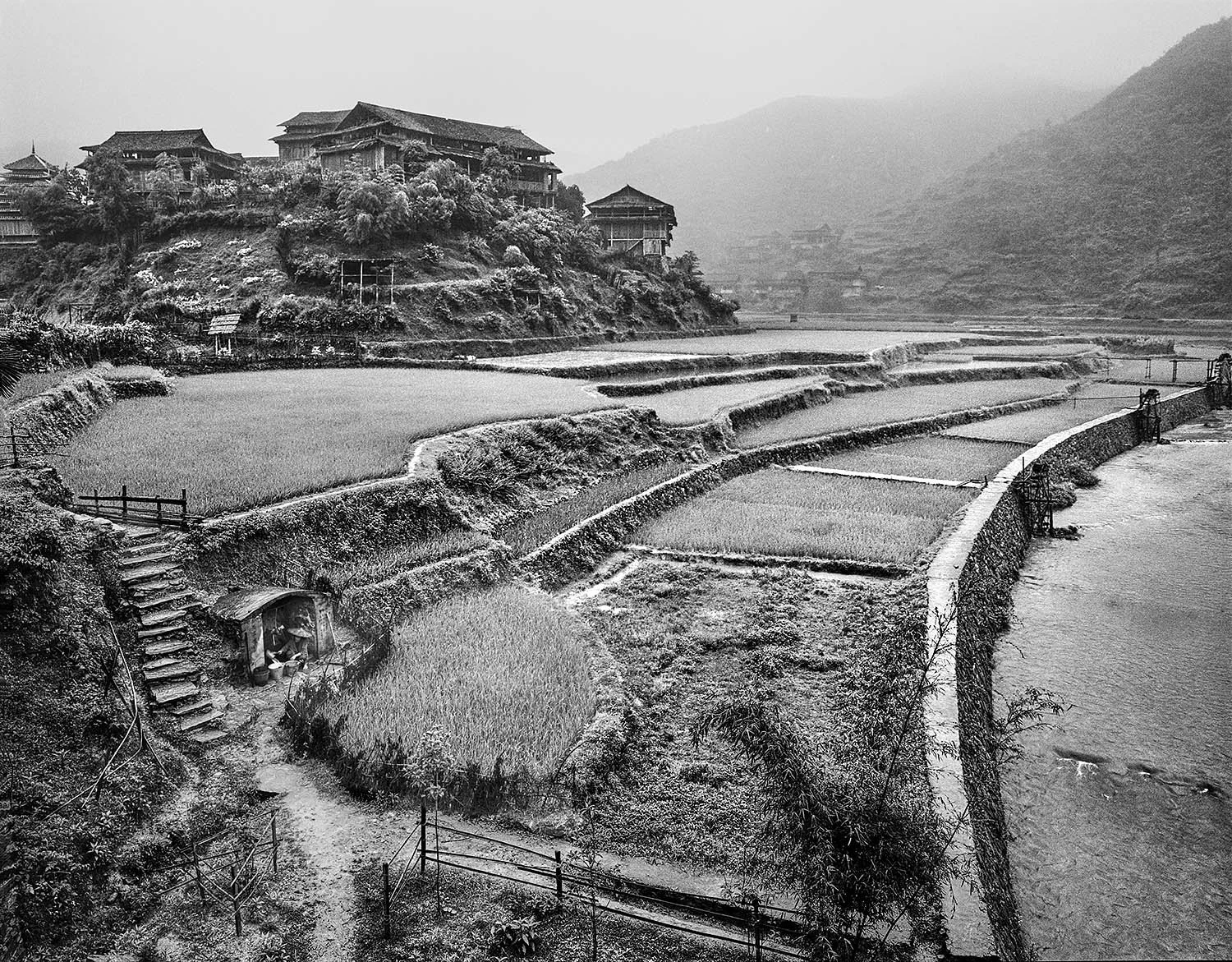
1987 Drum Tower Village and Rice Terraces - Chengyang, Guizhou Province
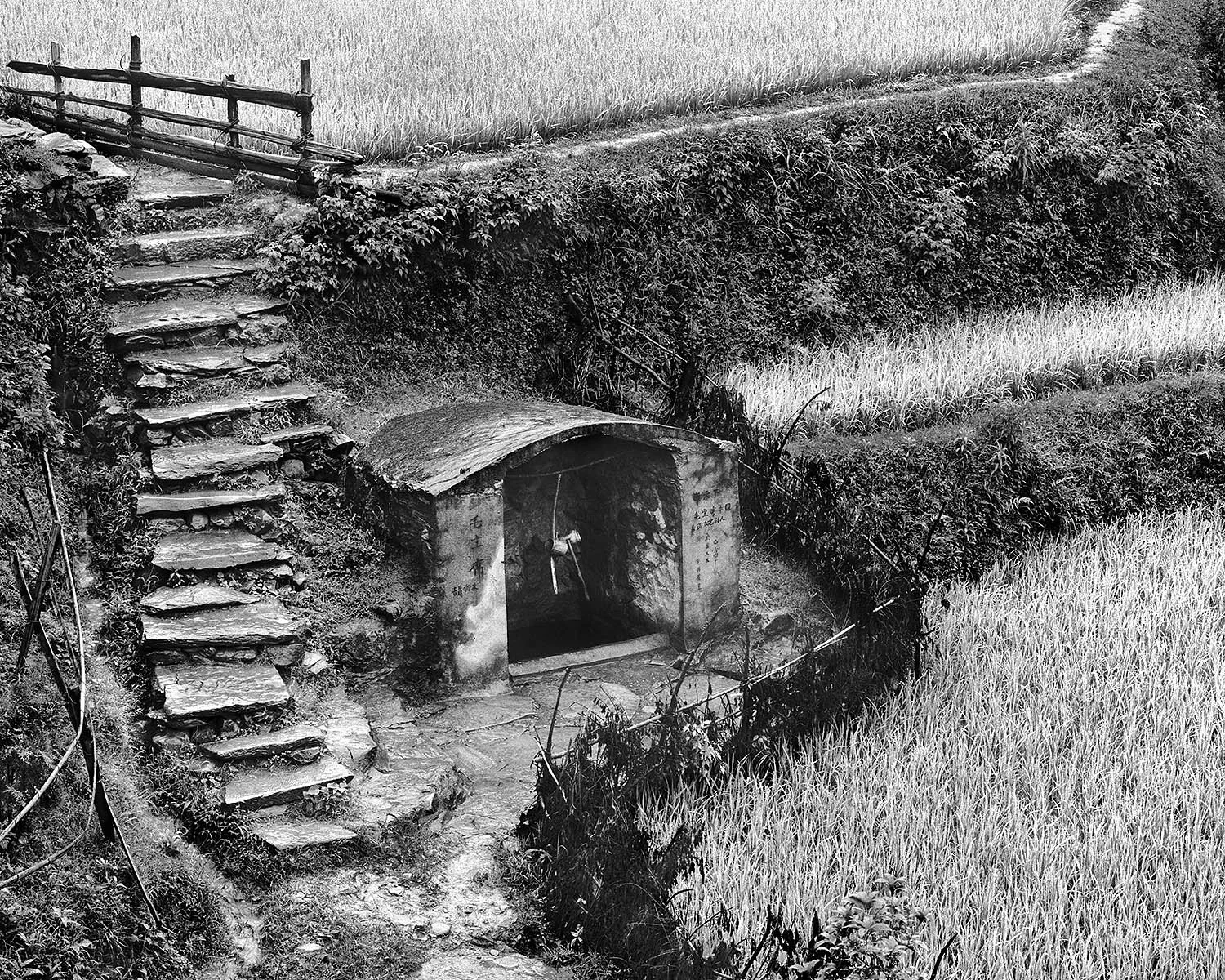
1987 Village Water Well - Chengyang, Guizhou Province
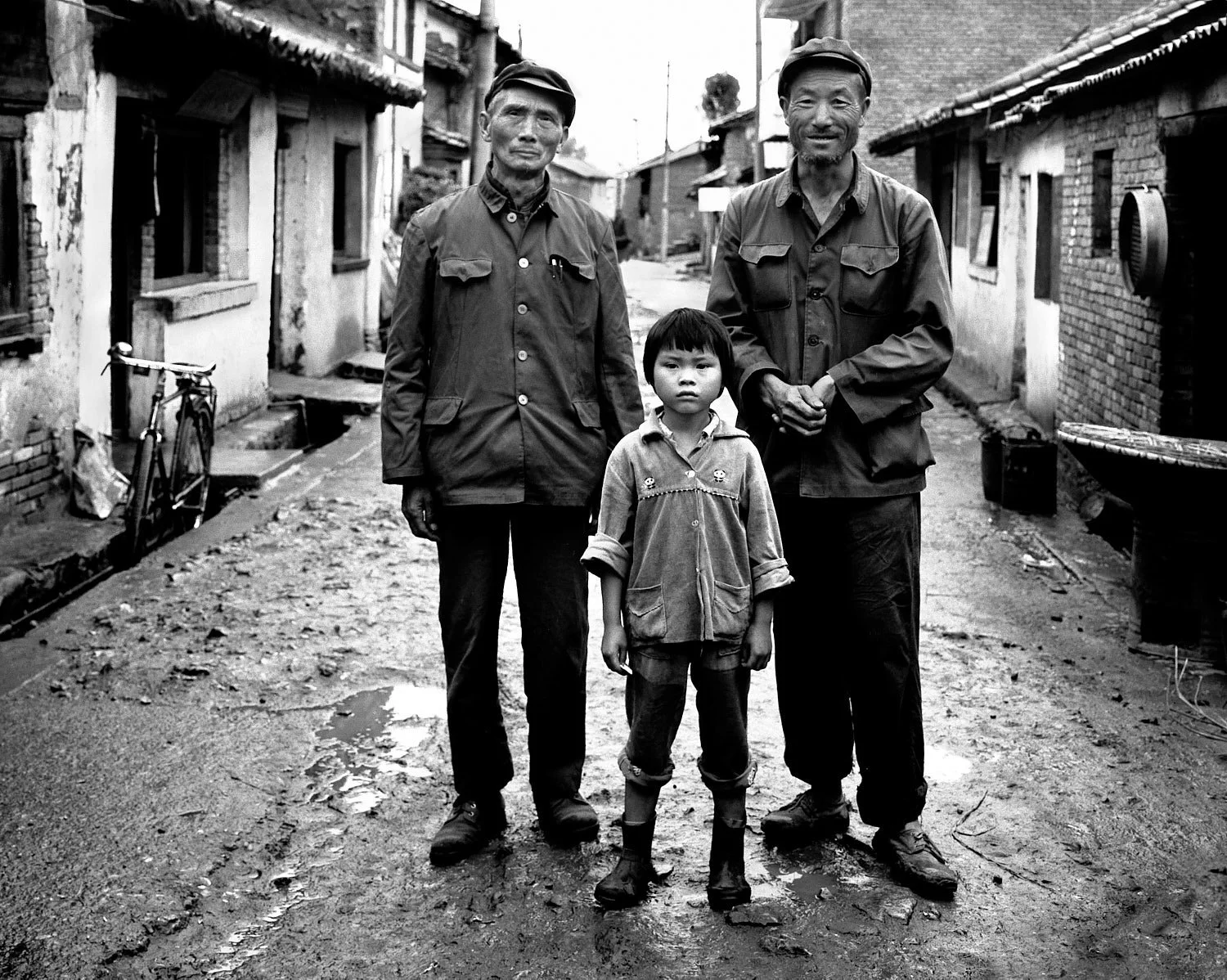
1986 Villagers, Yunnan Province
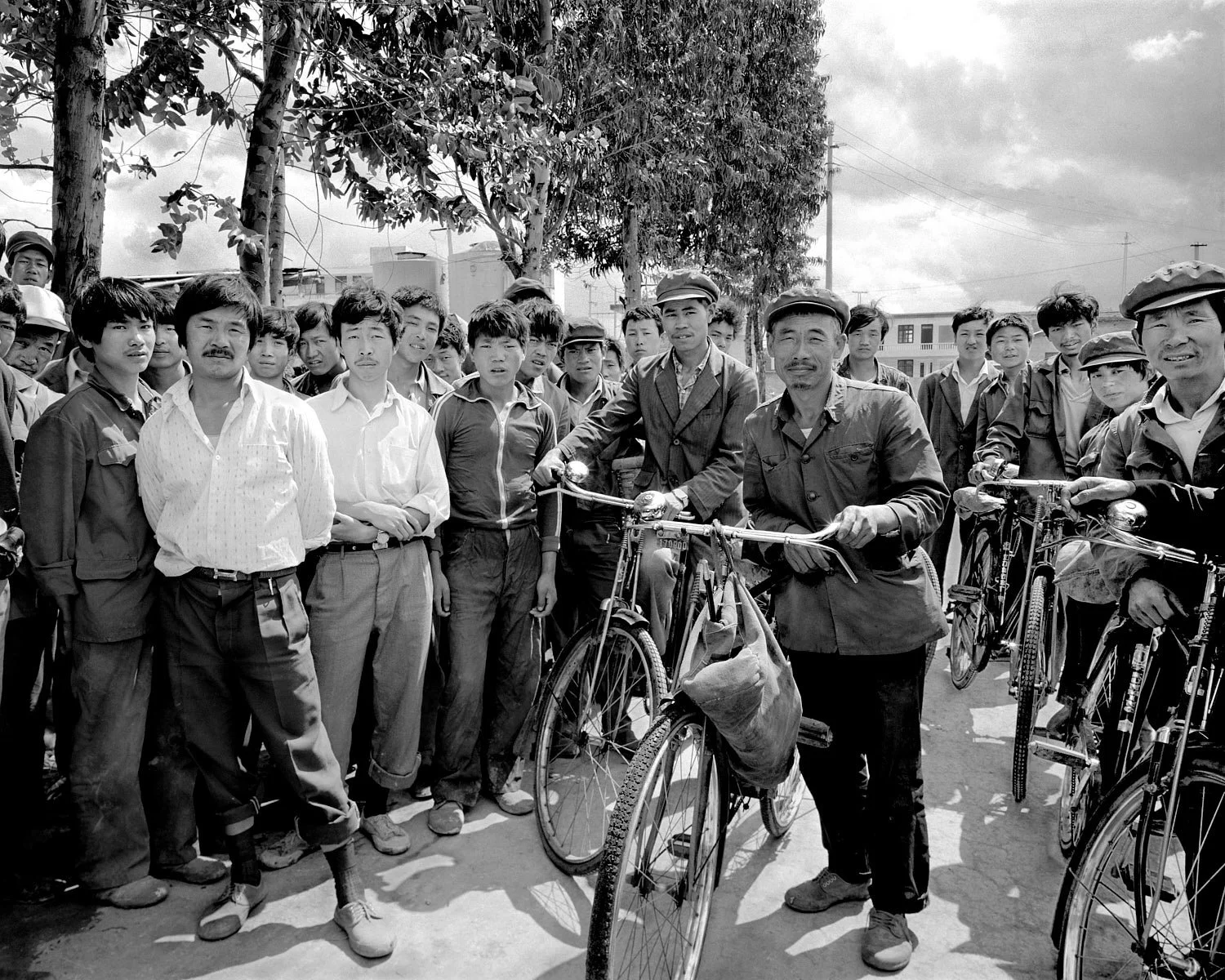
1986 Roaside Villagers, Yunnan Province
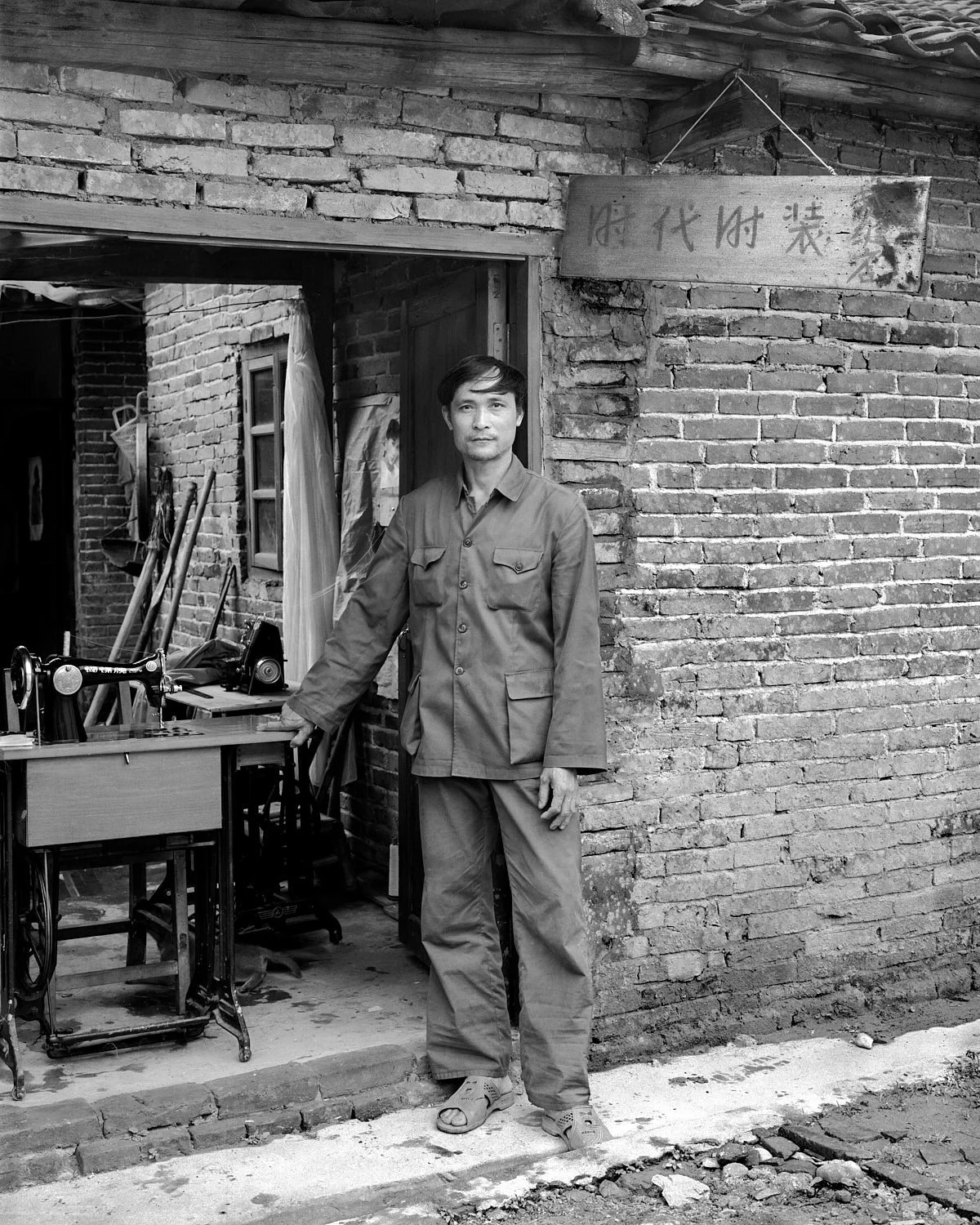
1987 Tailor - "Fashion of the Times", Guizhou Province
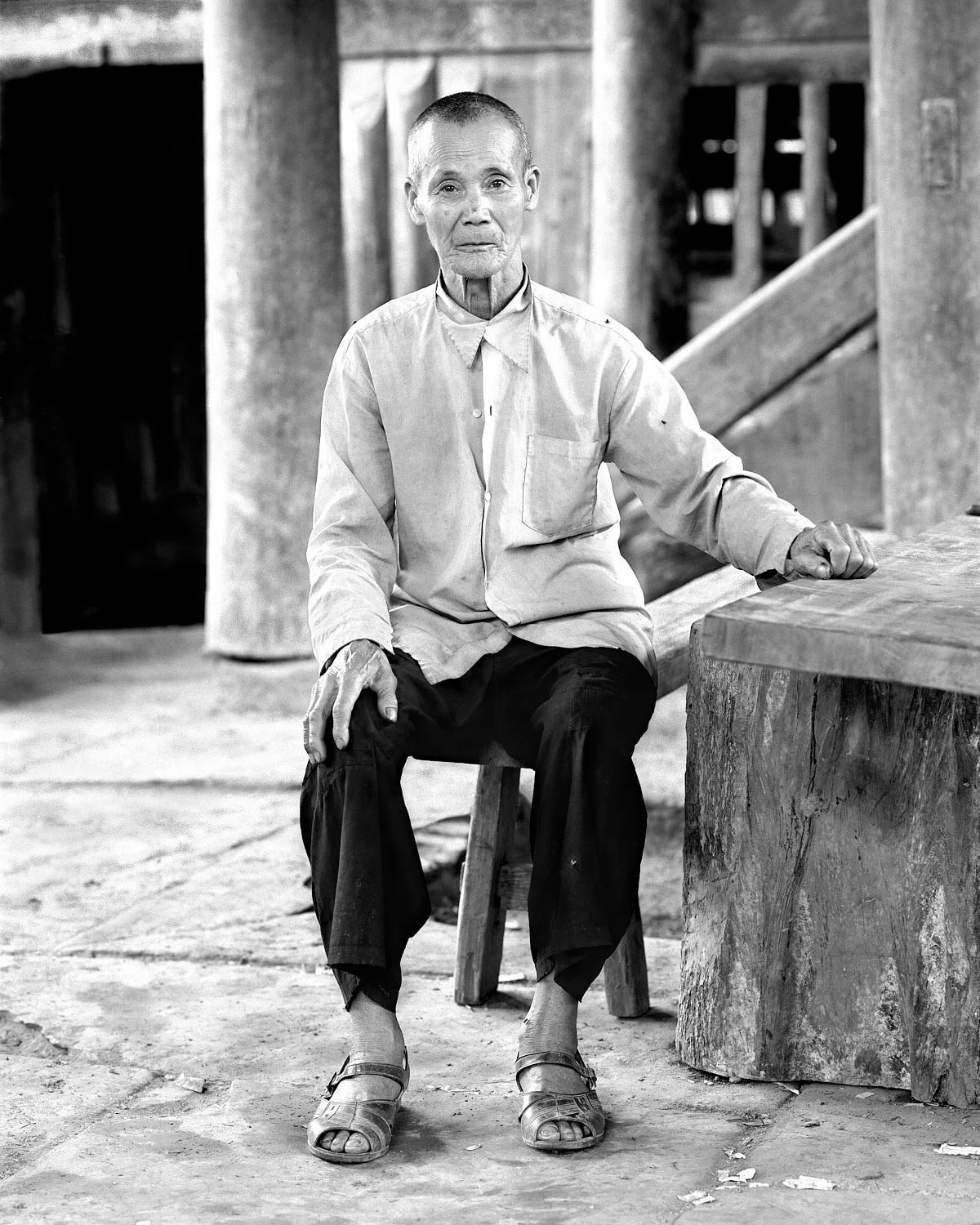
1987 Elder in Drum Tower, Guizhou Province

1987 36 School Boys, Guizhou Province
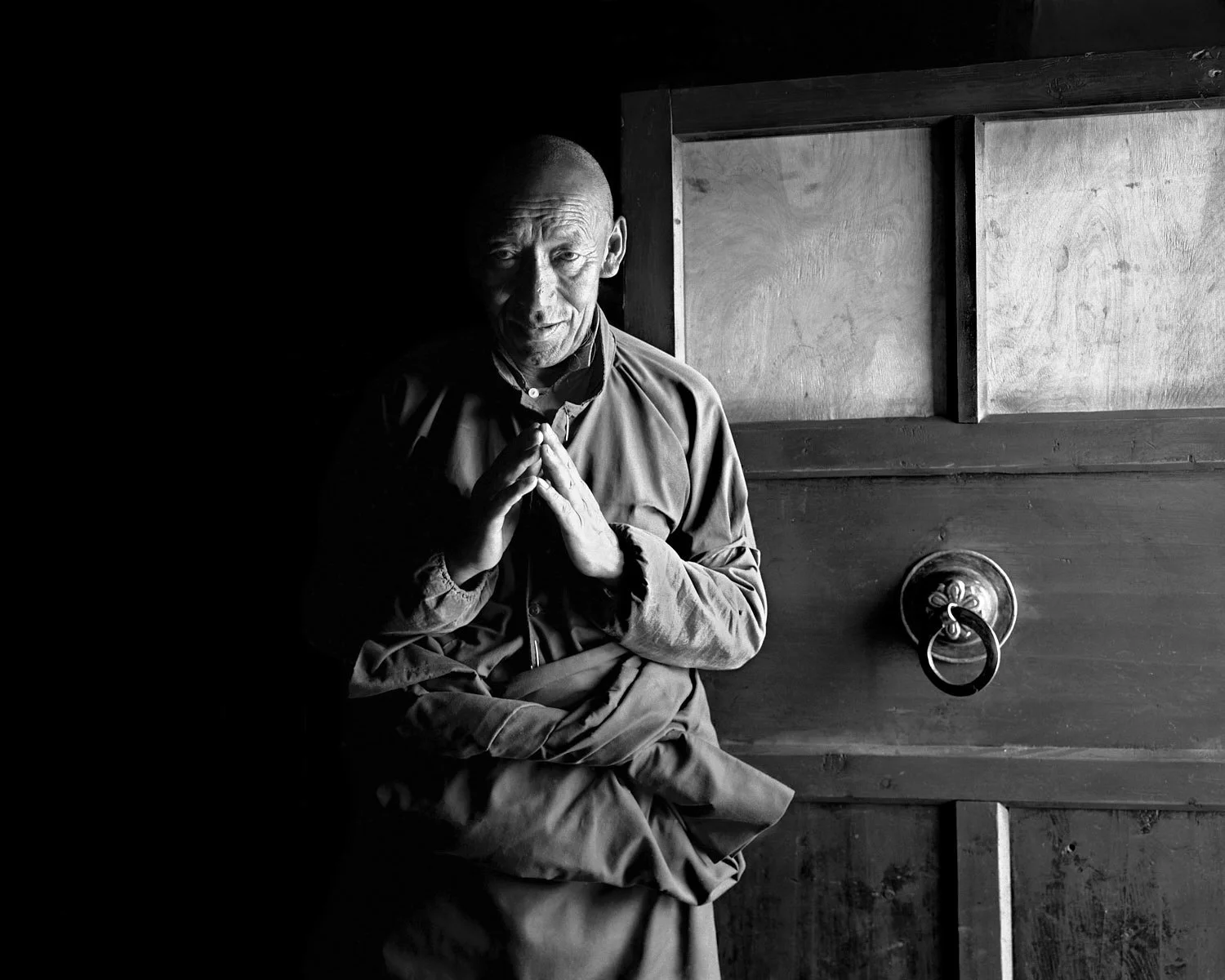
1986 Tibitan Monk, Lasha
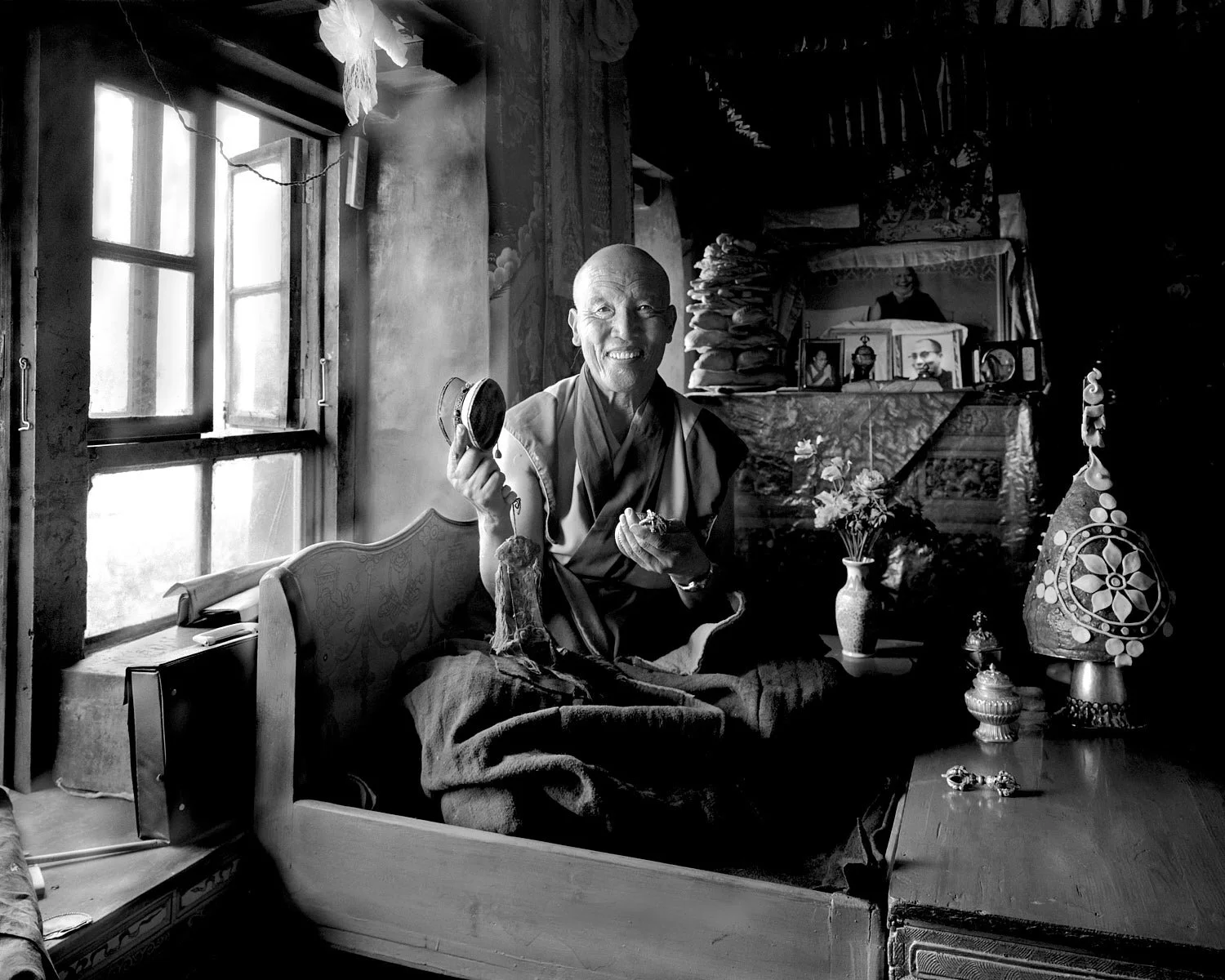
1986 Tibetan Monk - Thuptan Wangchuk, Lhasa
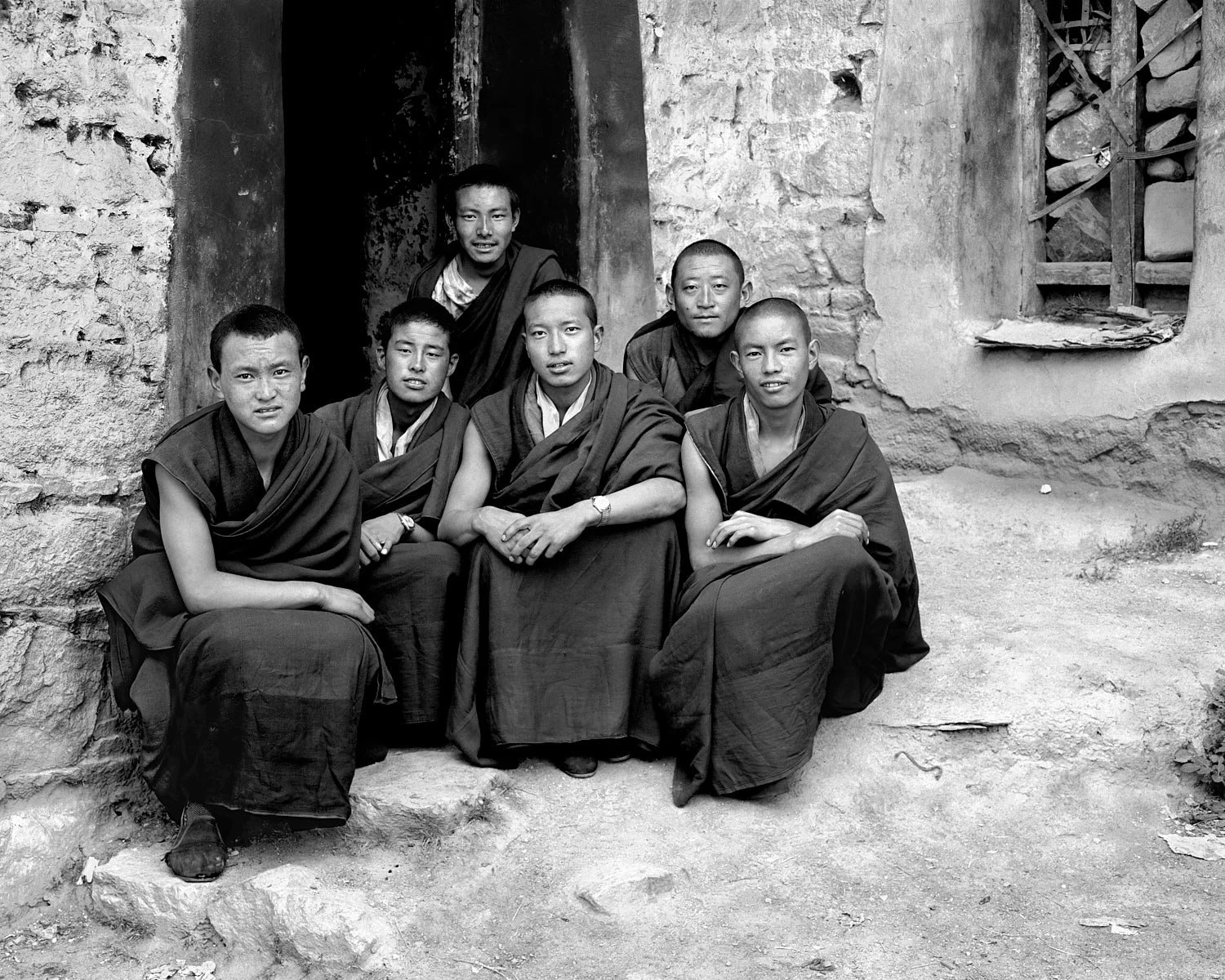
1986 Tibetan Young Monks, Sera-Monastery
China Photographs in 1980s, 1990s, 2000s
Documentary Fine Art Photographer John Palmer
During the 1980s and 1990s, I made my photographs with a large-format 4x5 view camera, a tool that allowed for meticulous composition and exceptional detail. Working only with available light, I relied on slow shutter speeds, a sturdy tripod, and expansion development to heighten contrast, treating each negative with deliberate care. Instead of looking through a viewfinder at the moment of exposure, I stood beside the camera and limited each portrait session to just two to four frames, reinforcing a sense of intention and focus. In the 2000s, I shifted to 6x7 and xPan rangefinder cameras, embracing greater flexibility and spontaneity. Throughout these changes in tools and methods, my aim has remained the same: to use photography’s universal language to foster cultural understanding, illuminating the faces, environments, and rhythms of a nation in the midst of profound transformation.
In the early 21st century, China is a nation in relentless transformation. Landscapes once dominated by rice paddies have given way to glass towers that now define the urban skyline. Neon‑lit streets pulse with traffic and life, while rural villages still move to the slower rhythms of agricultural tradition. Sweeping market reforms have fueled an economic boom, rapidly reshaping both cityscapes and everyday experience. Spending as little as six months away from Shanghai can leave one astonished by its dramatic evolution. From tranquil village paths to the electric energy of sprawling megacities, my photography traces China’s passage into a new era. This unfolding story continues to draw international attention, inviting audiences to engage with the complexity and contradictions of this ever‑evolving country.
Across my extensive travels, I have immersed myself in the everyday rhythms of life, deliberately avoiding popular tourist routes to more authentically capture both rural and urban environments. To cultivate genuine connections with my subjects, I create environmental portraits that situate individuals within their natural surroundings, offering a more intimate and revealing glimpse into their lives.
The gallery embodies both intimacy and diversity: villagers drawing water from ancient wells, Tibetan monks within monastery walls revealing the endurance of ritual life, pioneering feminist scholars challenging traditional gender roles as they establish Women’s Studies in Chinese universities, and families navigating daily life in compact Shanghai apartments amid sweeping urban transformation. Each scene documents the rapid pace of urbanization and its profound impact on China’s social fabric. These photographs also give a visual voice to authors, composers, and dissidents whose ideas have indelibly shaped the nation’s cultural landscape.
Collectively, these images form a nuanced visual archive of a country in flux. They safeguard the memory of a vanishing China while chronicling the rise of a new one, inviting viewers to participate in an ongoing narrative that interlaces past, present, and future through the lens of photography. The viewer’s role in this act of preservation is vital, making each person an engaged participant in the unfolding story.